
Length
Width
Thickness
Colour Tone
Profile
Material
Fire Rating
Range
Species
Wood Type
Warranty
Moisture Content
Cladding Battens
Cladding battens are the timbers fixed to a wall to carry the cladding and leave a ventilated cavity behind it, for timber and composite cladding alike. We stock hardwood battens from 65×42 mm, Douglas fir, Ecowood and MicroShades sections up to 150×44 mm, yellow balau at 190×45 mm and heavy sections up to 200×70 mm, with the length chosen on each product page. All stocked in our warehouse and delivered across Ireland.
Sort by




Showing 1-11 of 11 results
Cladding battens and substructure timber
Cladding battens are the timbers fixed to the wall before the boards go on. They hold the cladding off the wall and leave a ventilated cavity behind it, so air can circulate and moisture can escape, and they give every board a straight, solid line to fix into. That applies to timber and composite cladding alike, and it is key to a long lasting installation. We stock timber for every kind of cladding frame, from slim battens to heavy structural sections.
Cladding batten sizes and species
Pick the section by the job. Slimmer sections make the batten layer on a wall, and the heavier sections suit frames, posts and structures the cladding is fixed to:
- Hardwood battens: planed 65×42 mm and 90×45 mm sections in Durability Class 1 hardwood, for a batten layer built to last.
- Yellow balau: a deep, planed 190×45 mm section in Durability Class 1 hardwood, for heavier frames that need the same durability.
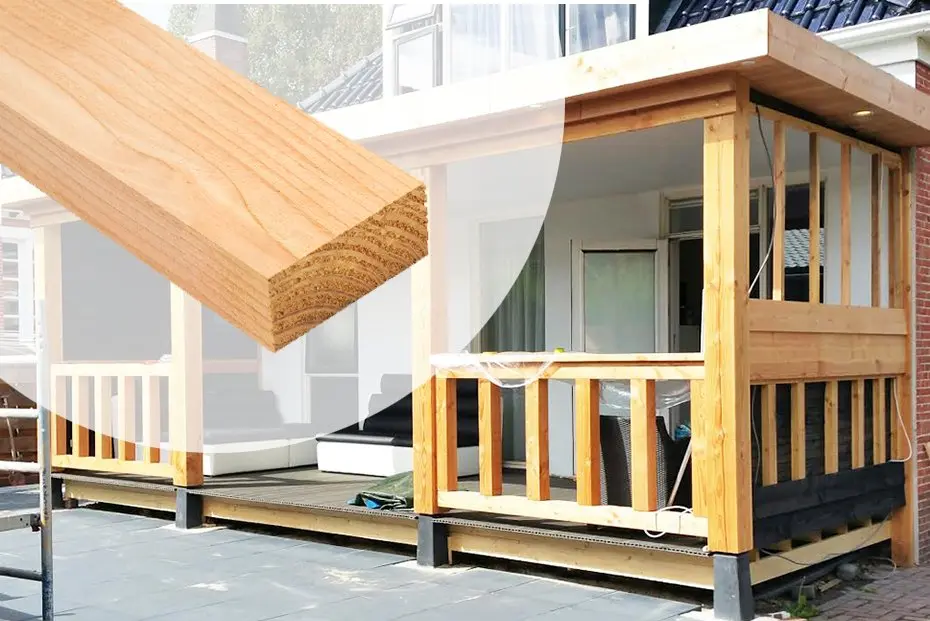
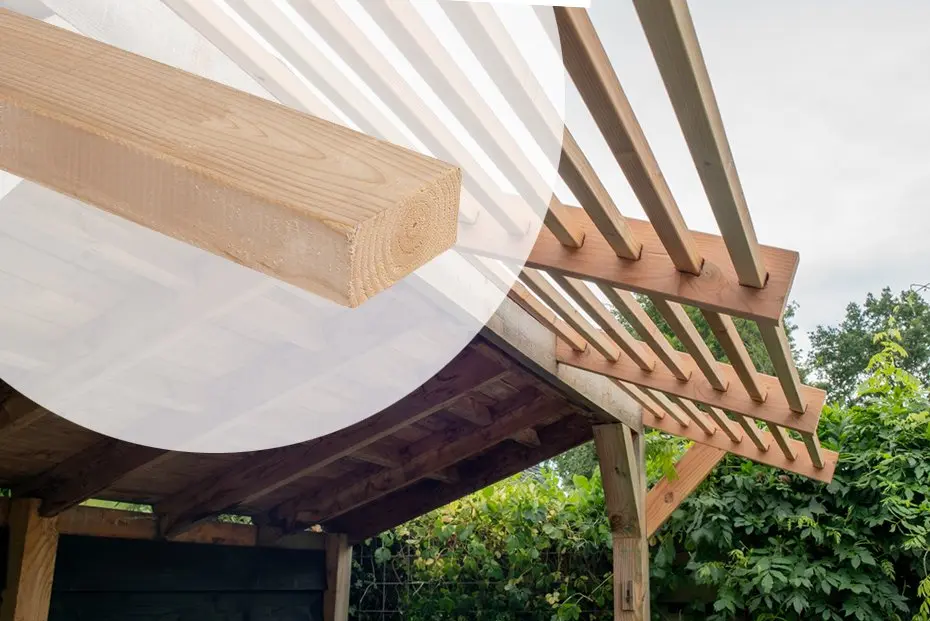
- Douglas fir: sawn 70×50 mm and 100×50 mm sections, a strong softwood for everyday cladding frames, plus a heavy 200×70 mm section for structural frames behind cladding.
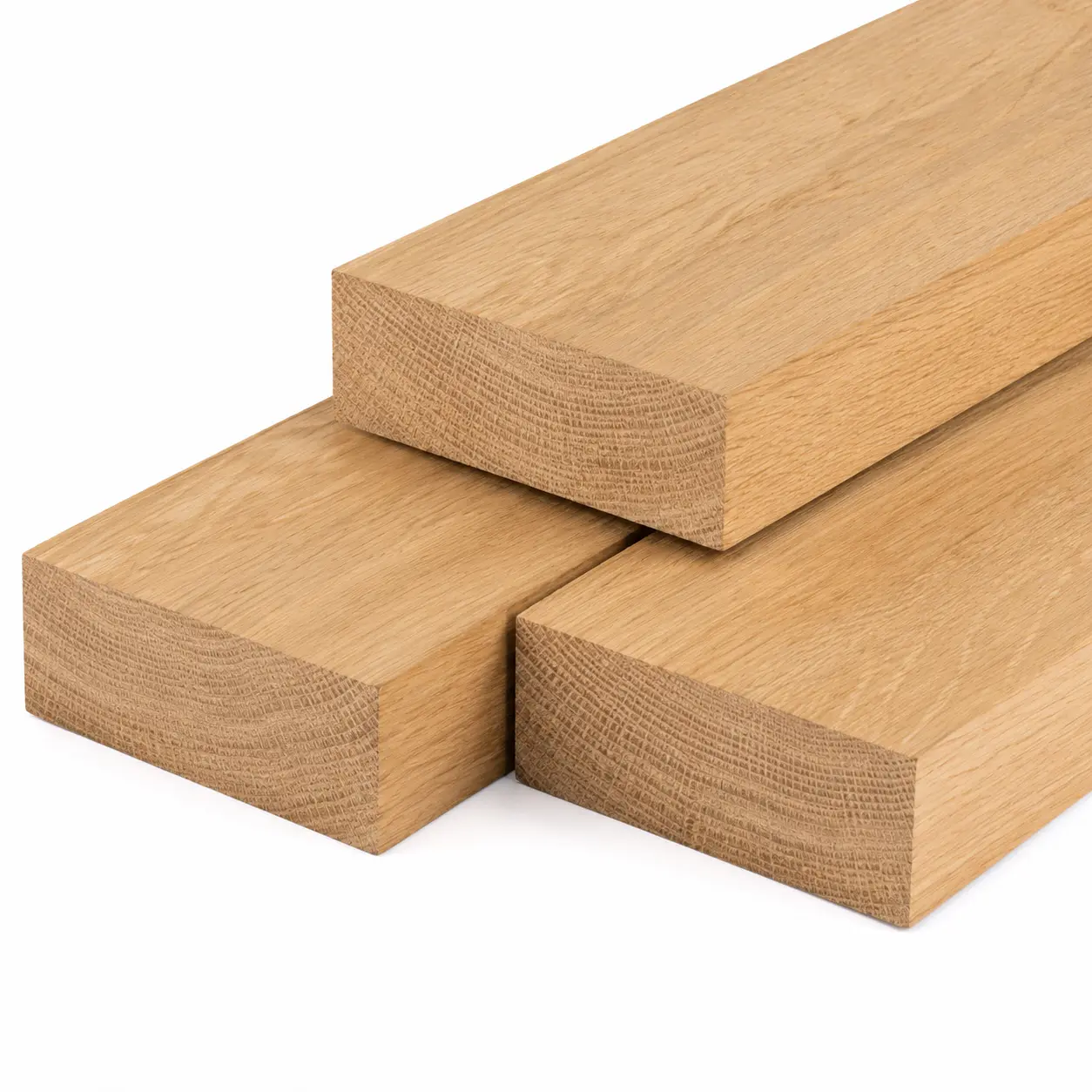
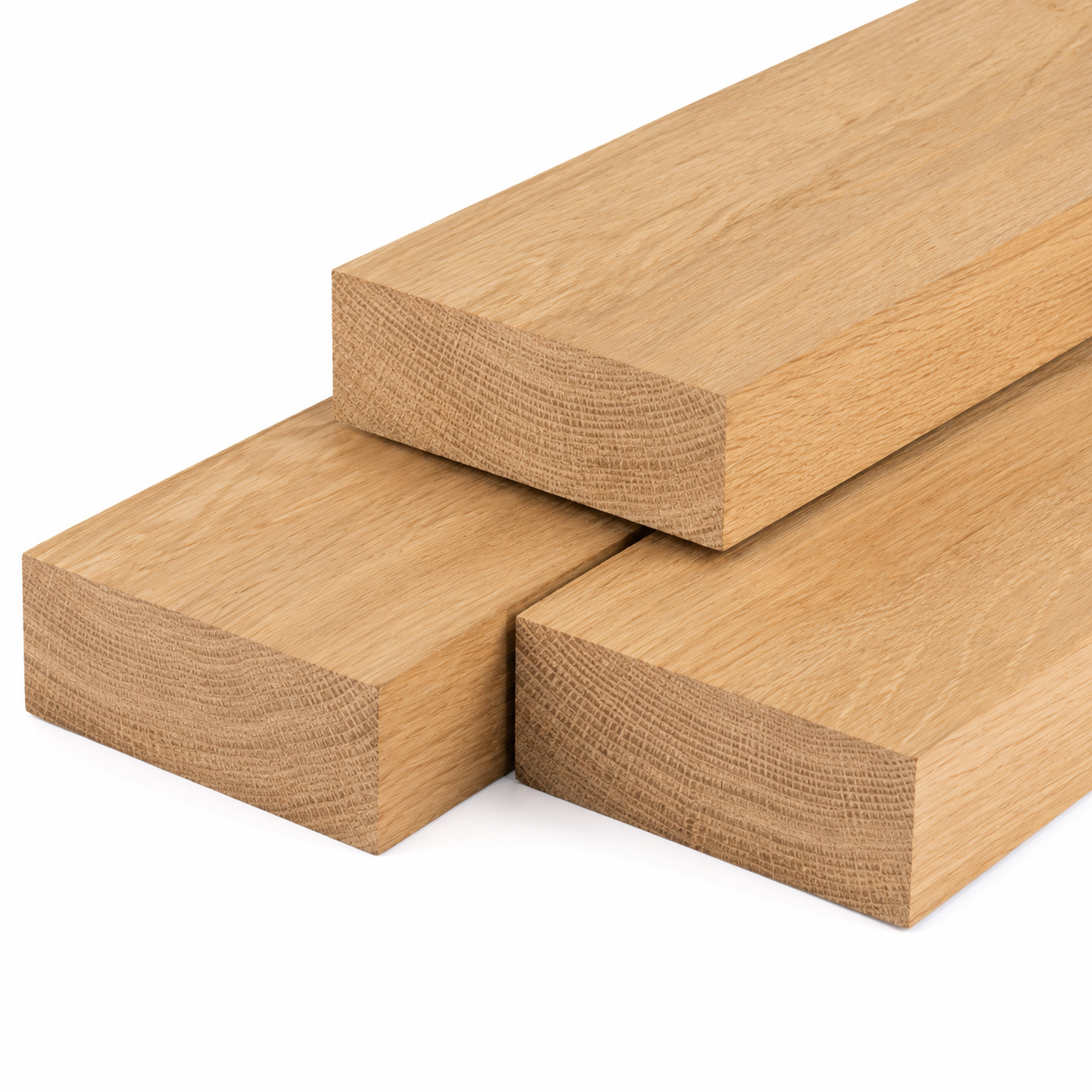
- Oak: heavy 150×70 mm and 200×70 mm sections, for structural frames behind cladding.
- Ecowood: kiln dried softwood at 95×45 mm, with consistent quality from piece to piece, for an everyday batten layer.
- MicroShades: treated softwood at 100×44 mm and 150×44 mm, supplied with the protective finish already applied, for a batten layer that needs little attention.
Choose the length on the product page; longer battens mean fewer joints on a long wall.
Choosing battens for your cladding
For composite cladding, each range’s installation manual sets out its batten spacing and fixing pattern, so check it before you order. For timber cladding, follow the fixing guidance for your boards. Either way, the battens must leave a clear cavity behind the boards. Hardwood and MicroShades battens need the least attention, while softwoods such as Douglas fir and Ecowood give you longer lengths for fewer joints.
For battens that form the visible face of a slatted wall or screen, rather than sitting behind it, see our timber battens. The same heavy sections are also sold as timber joists for decks and frames.
Fixing and looking after cladding battens
- Set out: mark the batten lines to the spacing in your cladding’s installation guide.
- Fix: fix the battens to the wall, keeping them straight and plumb so the boards run true.
- Seal the cuts: on any species that is not Durability Class 1, seal cut ends and notches as you go, and on MicroShades reseal cut ends with a touch up sealer.
- Clad: fix the boards, then finish corners and ends with our cladding accessories.
Sealed cut ends help a softwood batten stay sound behind the boards, so most customers keep a tin from our oils and stains range on hand while cutting.
Cladding battens in Dublin and across Ireland
Every batten and substructure timber on this page is stocked in our Dublin warehouse, delivered across Ireland with your cladding. To compare boards, trims and finishes, see our full cladding range.
Frequently Asked Questions About Cladding Battens
Why does cladding need battens?
Battens hold the cladding off the wall and leave a ventilated cavity behind the boards, so air can circulate and moisture can escape. This applies to both timber and composite cladding, and it is key to a long-lasting installation.
Which battens do you stock?
Our range includes sawn Douglas Fir (70×50 and 100×50 mm), Ecowood (95×45 mm), factory-treated MicroShades (100×44 and 150×44 mm) and hardwood PAO (65×42 and 90×45 mm). Each product name gives the section size and length.
How far apart should cladding battens be?
It depends on the cladding. Each composite range’s installation manual sets out its batten spacing and fixing pattern. For timber cladding, follow the fixing guidance for your boards. Either way, the battens must leave a clear, ventilated cavity behind the cladding.
Do I need to seal cut ends of battens?
Yes, for any species that is not Class 1. Seal cuts and notches with an end-grain preservative. For MicroShades battens, reseal cut ends with the touch-up sealer to keep the factory treatment continuous.