
Length
Width
Thickness
Colour Tone
Profile
Material
Fire Rating
Range
Species
Wood Type
Warranty
Moisture Content
Sheet Materials
Sheet materials are the man made boards most building, joinery and fit out jobs are made from. We stock plywood for strength and edge fixings, MDF for painted and routed work, OSB for structural work that gets covered and MFC for cabinets that arrive finished, from 3 mm to 45 mm thick and mostly in 2440×1220 mm sheets, plus edge banding for cut edges. Choose the board by the job, then the grade and thickness. Everything is stocked in our warehouse and delivered across Ireland.
Sort by
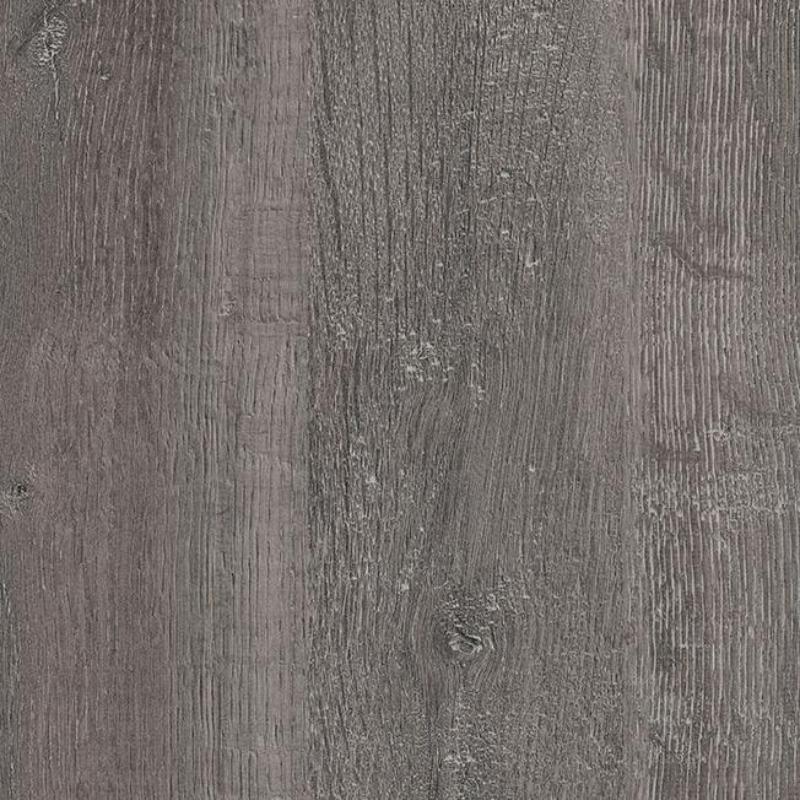
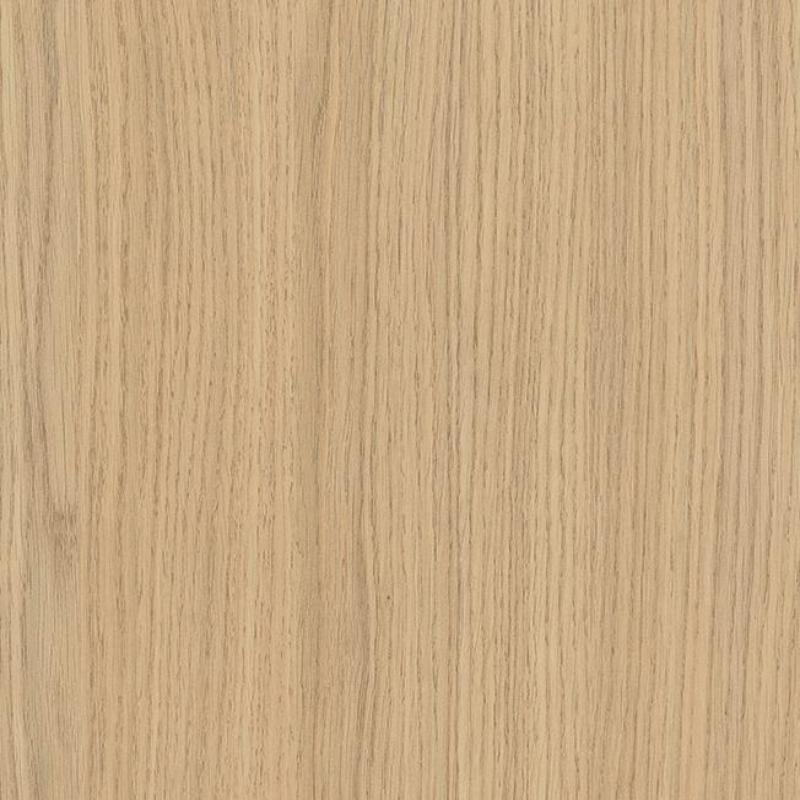
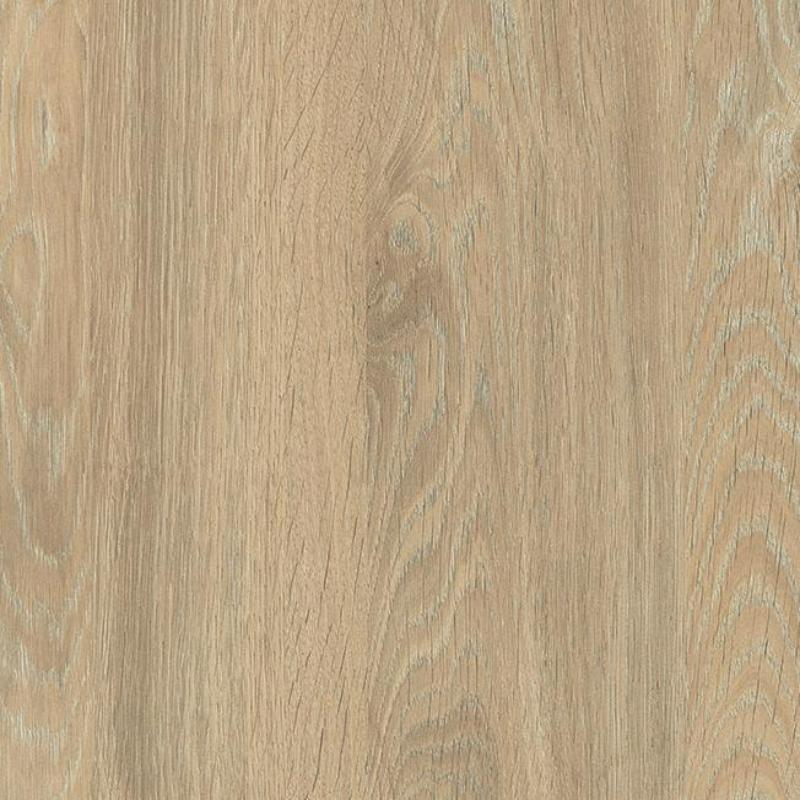
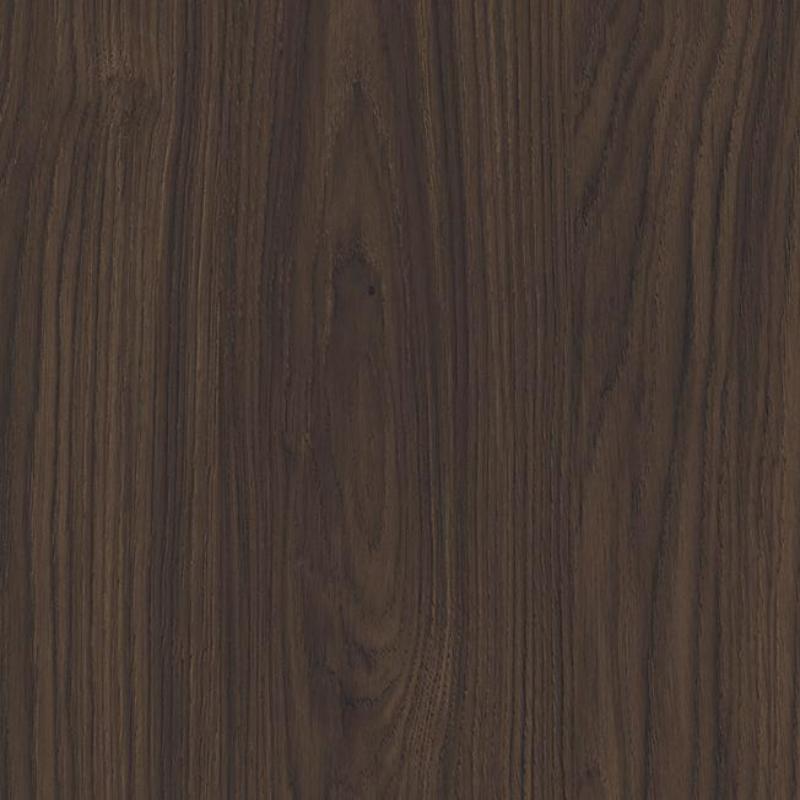
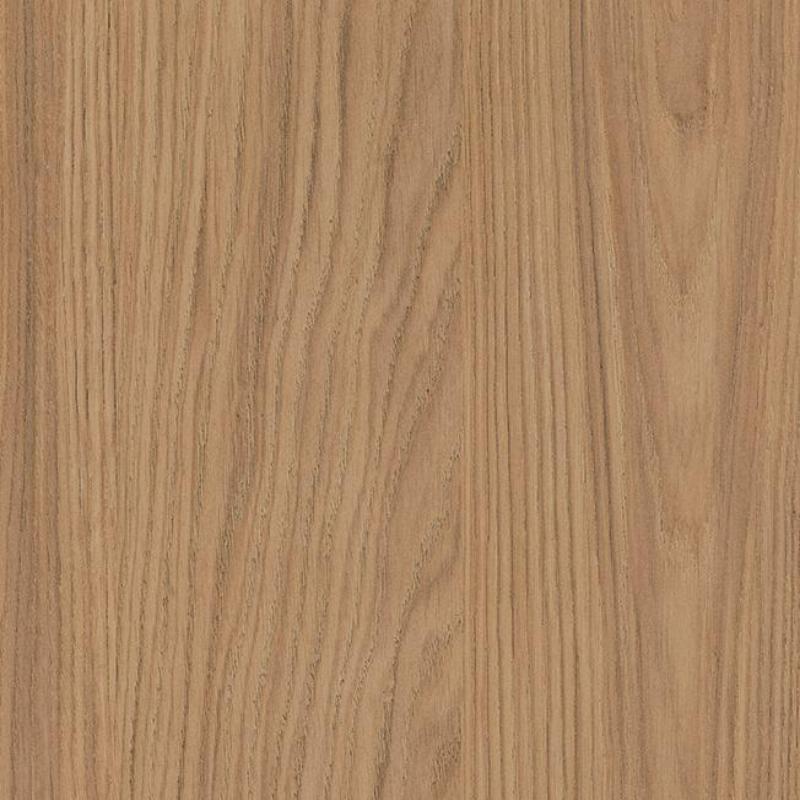
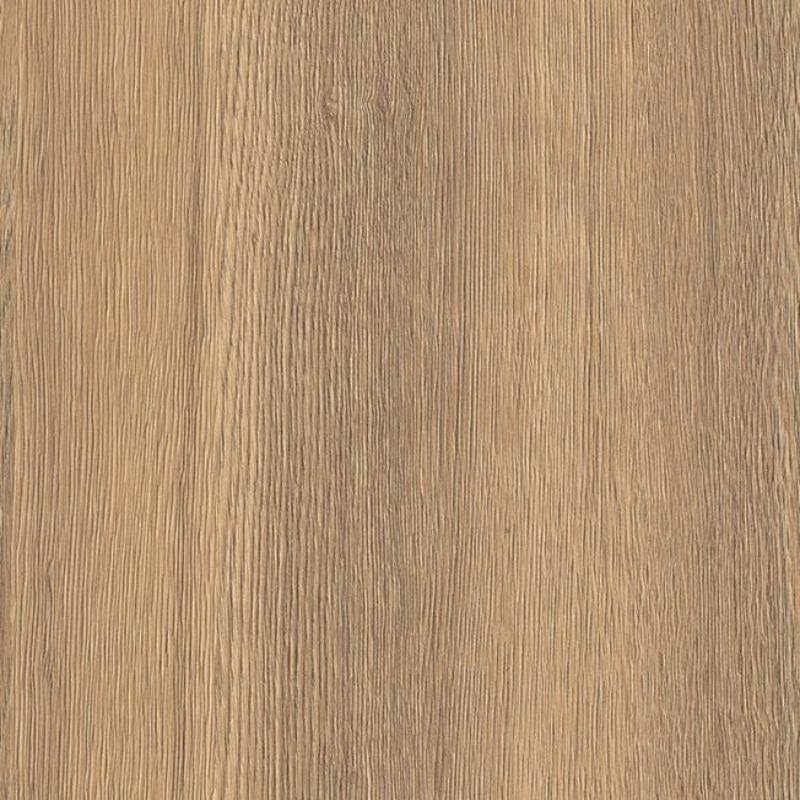
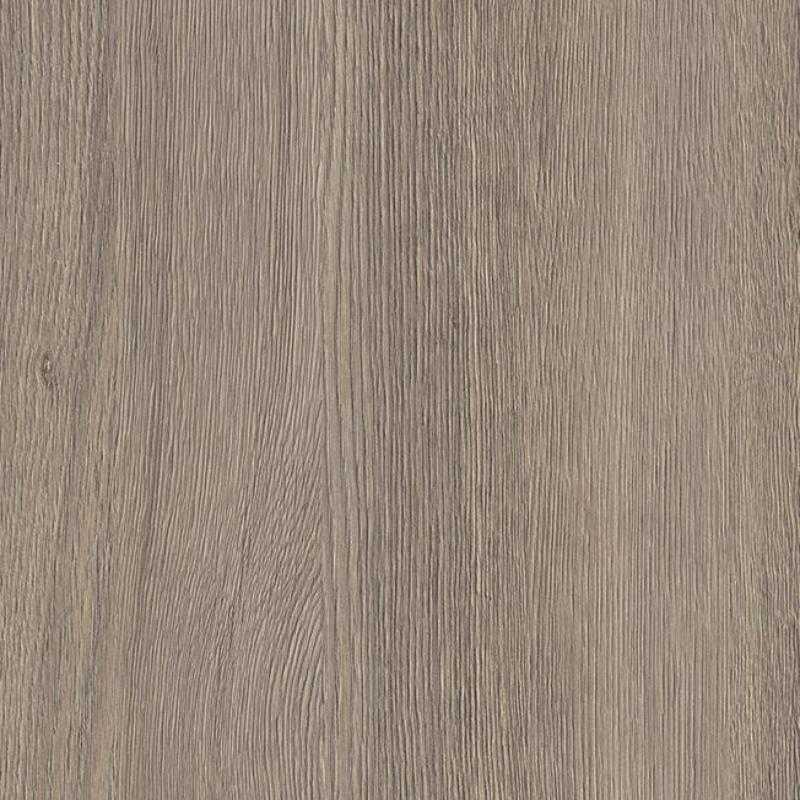
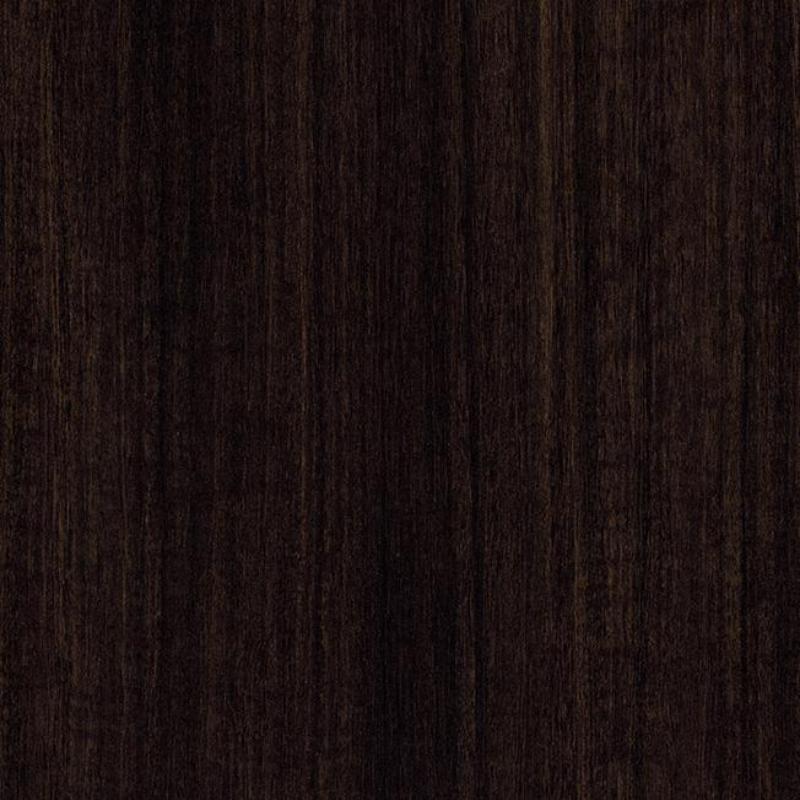
Showing 1-12 of 394 results
Sheet materials for sale in Ireland
Sheet materials are the boards most building, joinery and fit out jobs are made from, and we stock all four main families in our warehouse: plywood, MDF, OSB and MFC. The range runs from 3 mm panels to 45 mm boards, mostly in the standard 2440×1220 mm sheet, with larger sheets in parts of the MDF, plywood and MFC ranges. Each family has its own page with every grade, size and stock level, ready to order online for delivery across Ireland.
Here is what each family is for at a glance:
- Plywood: strength for its weight, fixings in a cut edge, and wet work in the marine grade
- MDF: painted joinery, routed profiles and fitted furniture
- OSB: wall sheathing, floor decks, roof decks and hoarding that end up covered
- MFC: kitchen carcasses, wardrobes and shelving that arrive finished, with rolls of edge banding to cover the cut edges
What sheet materials are
Sheet materials are the man made boards a job gets built out of once solid timber stops making sense: the panel behind a wardrobe, the deck under a floor, the side of a kitchen unit. Each of them takes timber apart and puts it back together as a flat sheet, either as thin layers, as strands or as fibres pressed under heat. That removes the two things that make solid timber awkward, knots and movement, and gives you a panel that behaves the same the whole way across and stays the size you cut it.
There are four families and we carry all of them: plywood, MDF, OSB and MFC. Each one is built for a different job, and matching the board to the job is what makes it last.
How to choose sheet material
The quickest way to the right sheet is to start from the job rather than the board. These are the matches most orders come down to:
- Painted panelling, skirting and fitted units: standard MDF, or moisture resistant MDF in kitchens and bathrooms
- Cabinets and wardrobes you do not want to finish: MFC in a woodgrain or solid colour
- Furniture and CNC work with the edge on show: birch plywood
- Floors, sheathing and roof decks: OSB/3, or WISA spruce plywood where weight matters
- Showers, wet rooms, van floors and outdoor joinery: marine plywood or Tricoya MDF
- Linings with a fire class on the drawing: fire retardant MDF or fire retardant plywood
With the family chosen, the grade and thickness follow from where the board will live and what has to fix into it. The sections below go through each family in turn, then damp and outdoor use, edges and fixings, weight, and what drives the price.
The four boards, and the jobs they are for
Almost every choice comes down to four things: whether the panel gets painted, whether it gets wet, whether it carries load, and whether anything has to screw into its edge.
Plywood
Anything that has to be strong for its weight, span a distance, or hold a fixing in a cut edge. Plywood is thin layers of timber glued with the grain of each layer running across the one below it, which is what makes a sheet strong in both directions and keeps it flat. We carry nine ranges: birch for furniture and CNC work, where the cut edge is a finish in its own right; marine for showers, wet room benches and van floors; hardwood faced and Malaysian hardwood for bench tops, platforms and floors; softwood for sheds and garden buildings; WISA spruce where weight decides it; flexible for curves; veneered for doors and panelling; and fire retardant where the specification puts a rating on the panel itself. All nine are compared on the plywood page.
MDF
Painted work, and anything with a routed or moulded edge. MDF is wood fibre pressed with resin into a panel that has no grain and no knots, so the face takes paint flat and a profile comes out crisp on all four sides instead of tearing where the grain runs out. The weakness is water: plain MDF that gets soaked swells, and it does not go back down. The range runs from standard MDF for shelving, fitted units and panelling, through moisture resistant MDF for kitchens and bathrooms, to Tricoya, which is modified for exterior use. Where the panel is meant to be seen rather than painted there is veneered MDF in real wood, Querkus in oak, and coloured MDF with the colour running through the core, so a routed edge shows it. Fire retardant MDF covers rated wall and ceiling linings. Every grade is compared on the MDF page.
OSB
Structural work that ends up hidden: sheathing on the outside of a timber frame, decking over joists, roof decks, hoarding and formwork. OSB is timber in strands rather than layers, laid so each layer runs across the one below and pressed with resin, which gets most of plywood’s strength at a lower price. We carry OSB/3, the grade under EN 300 that is load bearing and rated for humid conditions, because a wall sheathed in September will be rained on before the roof goes on. Two thicknesses cover nearly everything: 11 mm at 19.6 kg a 2440×1220 sheet, light enough to carry up a ladder, and 18 mm at 32.1 kg for floor decks. Both sheets are listed under OSB/3.
MFC
Cabinet interiors, wardrobes and shelving that you would rather not have to finish at all. MFC is a chipboard core with melamine pressed onto both faces, so the panel arrives finished, wipes clean and needs nothing beyond a strip of edge banding where it has been cut. It cannot be painted and it cannot be routed into a profile, so anything with a moulded edge or a sprayed finish goes back to MDF. Egger MFC is the larger range at 2800×2070 mm, with the wider choice of woodgrains and solid colours, and Finsa Superpan MFC does Cambrian oak at 2440×1220 mm and 2440×600 mm, a useful size when a full sheet would be wasted. Both are 18 mm. Both ranges sit together on the MFC page.
Damp, wet and outdoors
All four look equally solid in a dry shed, and the difference only shows once water reaches them. Plain MDF and plain chipboard have no water resistance at all, so a spill that sits at the bottom of a unit swells the edge permanently. Moisture resistant MDF handles the humidity of a bathroom or a utility room and the occasional splash, but it is not an outdoor board. OSB/3 is rated for humid conditions, which means it survives a building site and an unheated garage, not that it can be left out in the weather.
For work that is genuinely wet the answer is a different board rather than a coating. Marine plywood is bonded to survive prolonged soaking and is the usual choice for shower seats, wet room benches and van floors. Tricoya is modified MDF rated for exterior use, which makes it the one board in the MDF range that belongs on a door surround or a fascia. Seal both faces and every cut edge, because a panel sealed on one side takes up moisture on the other and cups away from the dry face.
Edges, fixings and what the board will hold
Where the screws go decides more than people expect. Plywood grips a screw in a cut edge, because the layers run across one another and there is long grain for the thread to bite into, though it still wants a pilot hole: a screw driven in dry can open a glue line, and you will not see that until the joint moves. MDF and chipboard are the other way round, strong in the face and weak in the edge, where the fibres or chips push apart. Pilot every edge fixing and keep them back from the corners.
Cut edges also decide how the finished job looks. Birch plywood and the veneered boards are meant to be seen, so sand the edges up through the grits along with the face. MDF edges are porous and drink paint, so seal them before priming or they will always read duller than the face. An MFC cut edge shows the chipboard core and has to be covered with an edging strip, which is worth planning before you work out how to cut the sheet.
Weight and thickness
Weight is worth checking before you order rather than when the sheet arrives. Standard MDF runs about 720 kg per cubic metre, birch plywood 679, OSB/3 599 and spruce plywood 459, so the same 18 mm sheet is well over half as heavy again in MDF as it is in spruce. An 18 mm plywood sheet runs from about 25 kg in spruce to 36 kg in birch, and MDF of that thickness is heavier than either. That is the difference between a job you can cut on your own and one that needs two people.
Thickness is set by span and by what has to fix into the board. Four to six millimetres is for panels that sit captive in a groove, so drawer bottoms and cabinet backs. Nine to twelve covers light shelving and small units. Fifteen to eighteen is the working range for cabinets, worktops, floors and platforms, and most jobs land on 18 mm because hinges, shelf pins and assembly screws are designed around that depth. Anything carrying load has its thickness set by the joist or stud centres on the drawing, so check that before you order.
How much does sheet material cost?
The price of a sheet comes down to the board family, the grade, the thickness, the sheet size and the face. As a guide, OSB/3 does structural work for less than plywood, hardwood faced plywood costs less than birch where the board will be painted or covered, and standard MDF is the entry point for painted work. Special grades such as marine plywood, fire retardant boards, Tricoya and real wood veneers sit above the plain boards because of what goes into them.
The cheapest sheet material for a job is the one that does it properly without paying for performance you will not use. Compare by the area you need to cover rather than by the price of one sheet: work out the area or the list of parts, then use the calculator on the product page to turn it into a sheet count. Live prices are shown on every board in the grid above, and your whole order is totalled in the cart before you check out.
Sheet materials in Dublin and across Ireland
Every board on this page is stocked in our North Dublin warehouse, ready for collection or delivered anywhere in Ireland. We carry the thicknesses and sheet sizes that builders, joiners, kitchen fitters and home builders actually use, so a whole job, from the OSB on the floor to the MFC in the wardrobes, can go on one order. Use the calculator on each product page to get the sheet count right, and check the sheet weight there too, because many 18 mm and thicker boards are a two person lift.
Frequently Asked Questions About Sheet Materials
Which sheet material is best for outdoor use?
For work that stays wet, marine plywood is the usual board, and Tricoya MDF is the one MDF rated for exterior use. Moisture resistant MDF and OSB/3 cope with damp, not weather. Whatever you use, seal both faces and every cut edge.
What size is a standard sheet of board?
Most of our boards come in the standard 2440×1220 mm (8×4) sheet. Some ranges also come larger: 3050×1220 mm in much of the MDF range, 2500×1220 mm in okoume marine plywood, 2500×1250 mm in oak veneered plywood and 2800×2070 mm in Egger MFC.
Which is the cheapest sheet material?
Every product page shows the current price per sheet. As a guide, OSB/3 does structural work for less than plywood, and hardwood faced plywood costs less than birch where the board will be painted or covered. Enter your area in the calculator on the product page to see how many sheets you need.
Do you sell fire rated sheet materials?
Yes. Fire retardant MDF is classified Euroclass B, fire retardant plywood is an 18 mm birch board rated B-s1,d0, and there is a fire rated white oak veneered MDF in 19 mm. Check the classification your specification asks for against the product page.
Can I paint every type of sheet material?
MDF is the board made for painting, since the face has no grain. Plywood paints once the grain is sealed, and OSB is usually sealed with a clear finish instead. Standard MFC arrives with a finished melamine face and is not meant for painting, though Egger does a painting grade MFC with a primed surface.
Do you deliver sheet materials?
Yes. All our sheet materials are held in North Dublin for collection, or delivered anywhere in Ireland. Check the sheet weight on the product page first, because many 18 mm and thicker boards are a two person lift.