
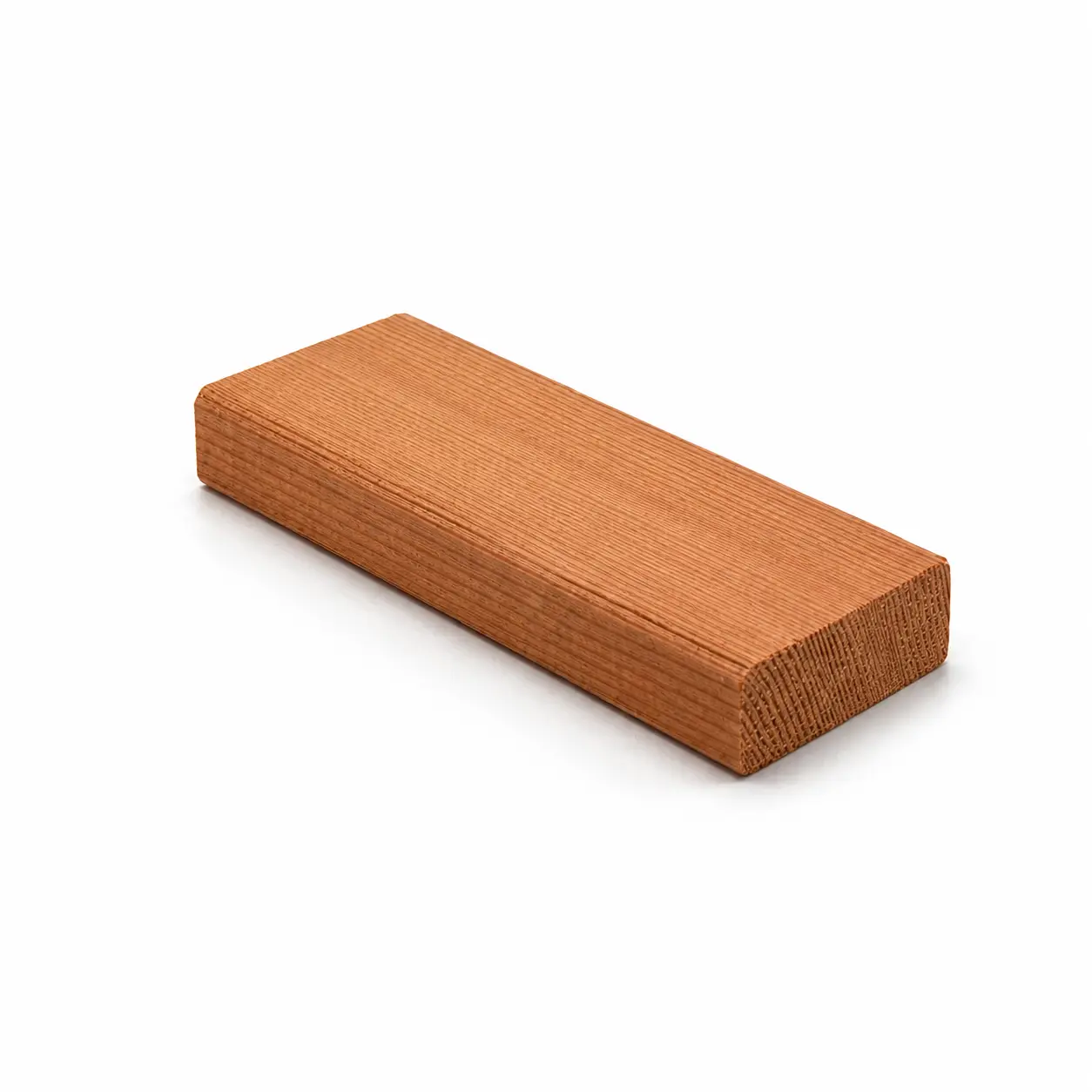
Length
Width
Thickness
Colour Tone
Profile
Material
Fire Rating
Range
Species
Wood Type
Warranty
Moisture Content
Timber Battens
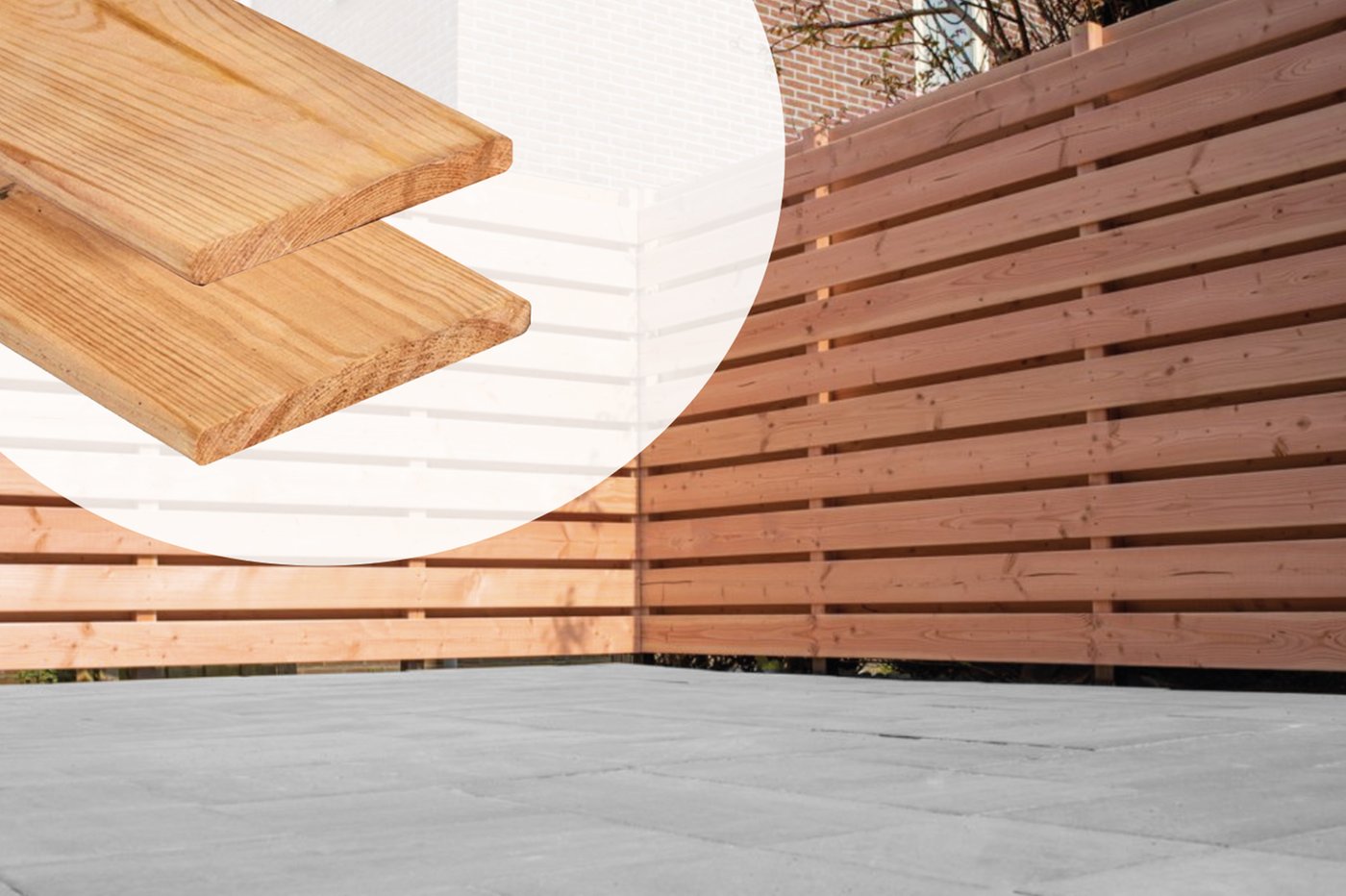
Timber battens are planed outdoor boards for slatted fences, garden screens, feature walls and cladding. We stock them in Western Red Cedar, larch, Ecowood, factory finished MicroShades and Yellow Balau hardwood, mostly as 44×18 mm (2×1) and 94×18 mm (4×1) battens, with wider boards up to 194 mm for bolder screens. Every species is stocked in our warehouse and delivered across Ireland.
Sort by
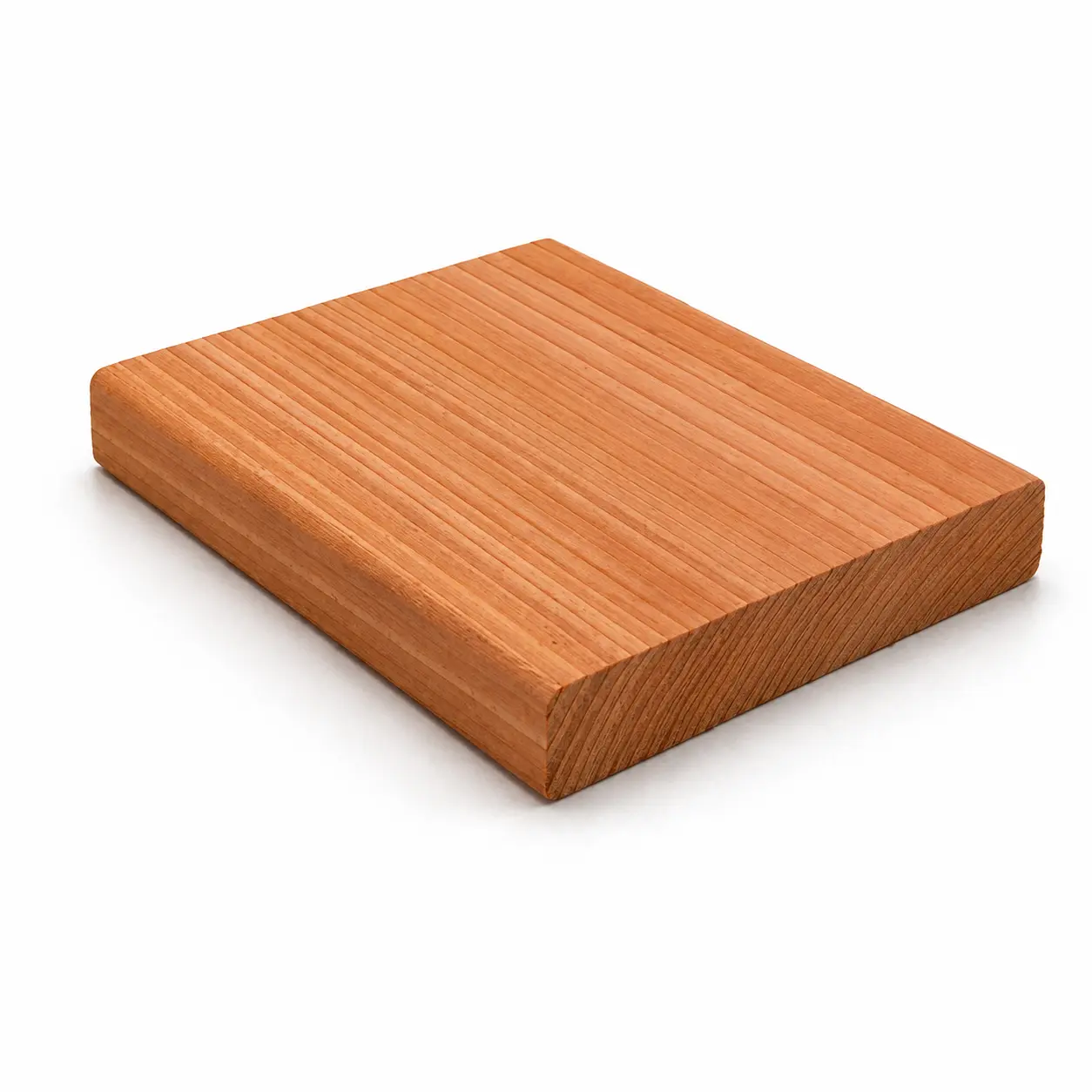
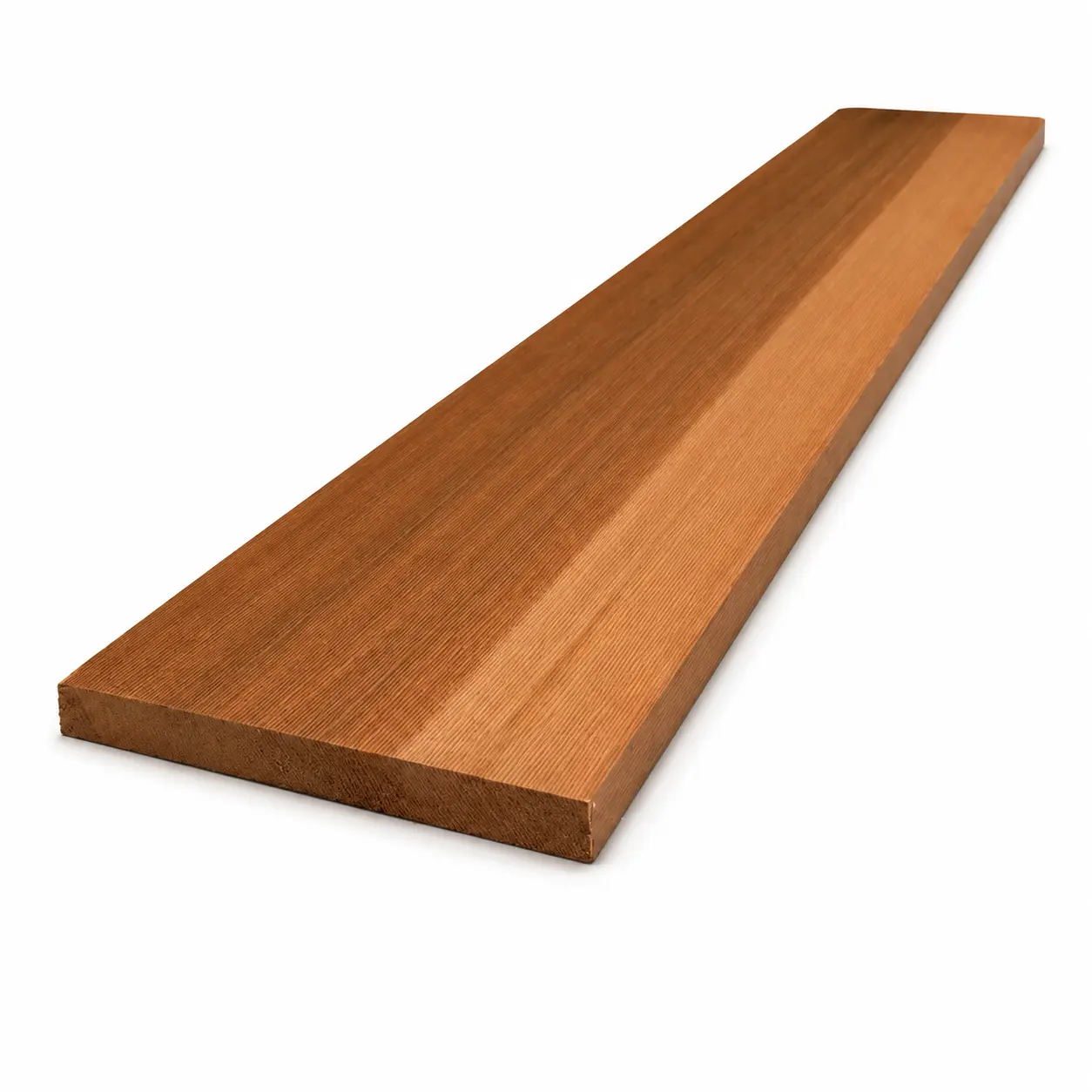
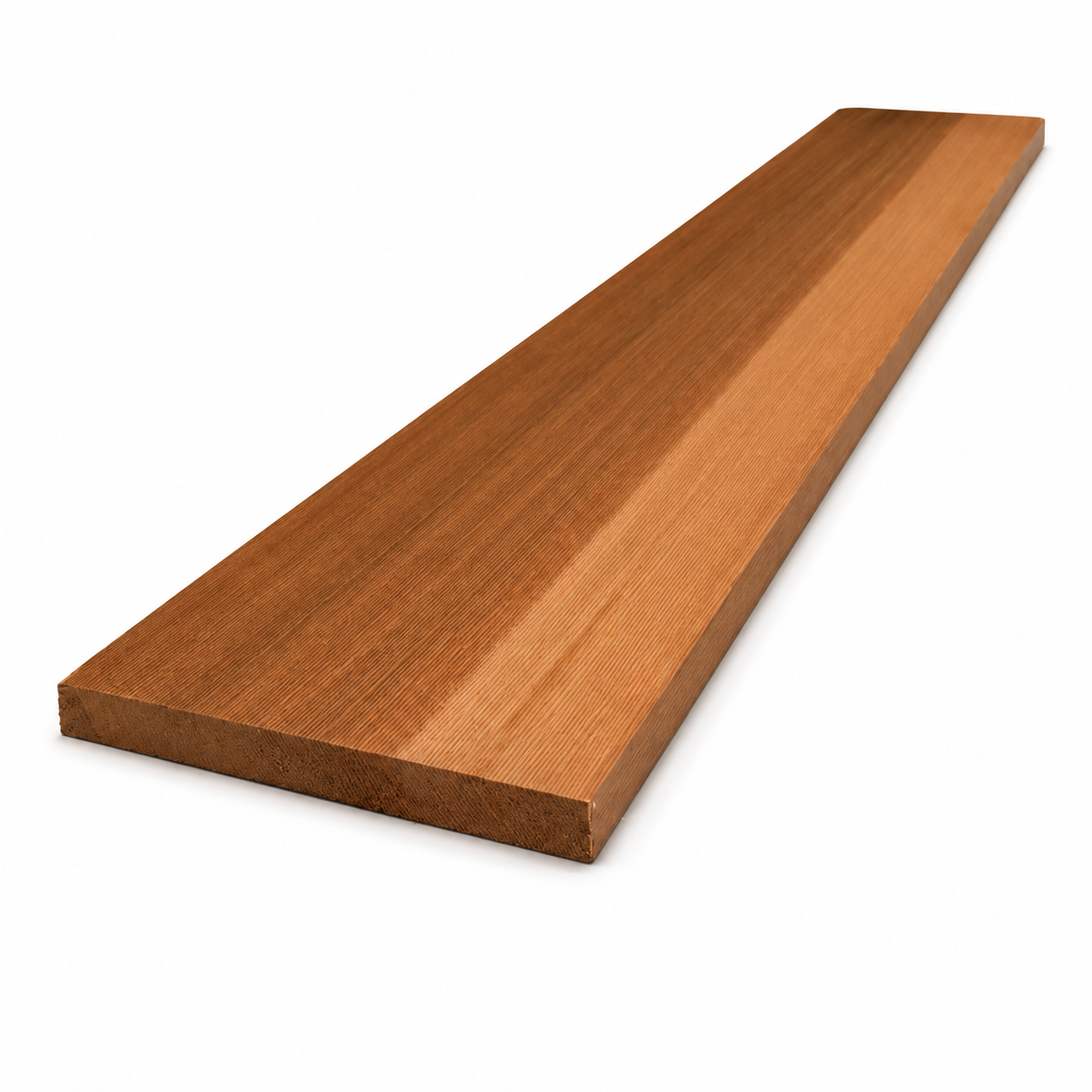




Showing 1-12 of 13 results
Timber Battens for Sale in Ireland
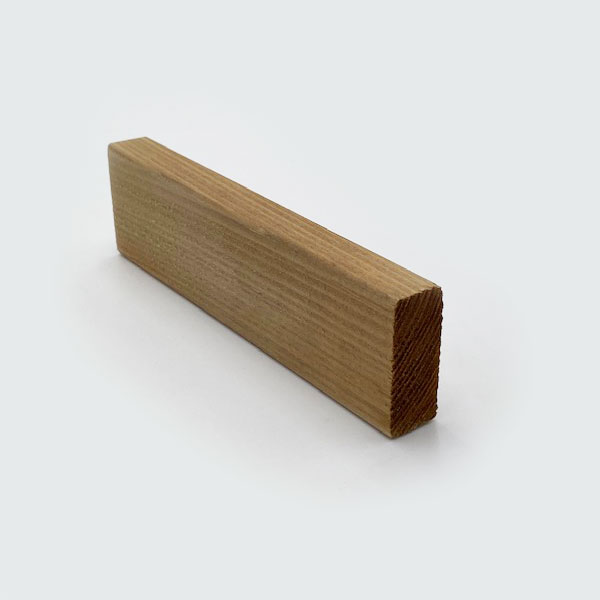
An outdoor timber batten is a slim, planed board that is fixed in rows to build something bigger: a slatted fence, a privacy screen, a bin store surround or a feature wall. Unlike rough sawn roofing battens, these are finished timbers, meant to be seen. Most have an ease edge profile, with the long edges slightly rounded so they look crisp, feel smooth and shed water.
The species you choose decides the colour, how the batten weathers, how long it lasts and how much looking after it needs. The sections below compare them so you can choose with confidence.
Types of timber battens
We stock five batten ranges. Each links to its own page with every size.
Cedar battens
Western Red Cedar graded Clear Heart Vertical Grain, very light at around 380 kg/m³ and Durability Class 2, naturally resistant to rot. Cedar battens have the widest choice, from 44×18 mm up to 194×18 mm, so one species can run from fine trellis to near solid screening.
Larch battens
Larch is a dense softwood, around 590 kg/m³, with a warm reddish-brown tone. It is Durability Class 3 with a service life of 20 years and beyond. Larch battens come in 44×18 mm and 94×18 mm, both with an ease edge.
Ecowood battens
Our own stable softwood in a warm honey-brown, and the value choice for long runs. Ecowood battens come in 44×18 mm and 94×18 mm, plus a wide 140×16 mm board.
MicroShades battens
Treated softwood that arrives factory finished, with a service life of 20 years and beyond and nothing to do on site. MicroShades battens come in 44×18 mm and 94×18 mm.
Yellow Balau battens
A dense tropical hardwood, around 930 kg/m³ and Durability Class 1, the longest lasting batten we sell. Yellow Balau battens are planed all over in 45×22 mm and 95×22 mm.
Timber batten sizes explained
Battens are still ordered by their old imperial names, so a “2×1” is roughly 2 inches by 1 inch. What you receive is the planed size in millimetres, which is smaller than the name. Choose the width by the job:
- 2×1 battens are 44 or 45 mm wide, for fine slatted screens, trellis and feature walls with lots of shadow lines.
- 4×1 battens are 94 or 95 mm wide, the all-round fence and screen batten, quicker to fix and more private.
- 6×1 boards are 140 to 144 mm wide, for a bold horizontal fence.
- 8×1 boards are 194 mm wide and come in cedar only, for near solid screening.
How much do timber battens cost?
The cost of a batten project comes down to the species, the size, the length and how close you space the battens. Compare options by cost per metre or by the area of screen covered, rather than per board, because each species is stocked in different lengths. Softwoods like Ecowood keep long runs affordable, while cedar and Yellow Balau cost more but need less to last. Enter your screen area in the calculator on the product page and it works out how many battens you need; the cart adds the matching fixings.
Timber battens vs slats and cladding battens
The same boards used for fencing are also listed in our timber slats range, so you can shop by fence or by species. Battens that sit hidden behind cladding boards are a different product: for those, see our cladding battens. For a no-maintenance alternative, composite fencing gives a slatted look without oiling.
Fixing timber battens
Good fixings make a batten screen last as long as the timber:
- Use A2 or A4 stainless steel screws or ringshank nails. Cedar and hardwoods stain black with ordinary steel.
- Pre-drill near the ends of every batten, and at every fixing on Yellow Balau.
- Use a spacer block so the gaps stay even, and fix to sturdy posts and beams or rails.
- Reseal cut ends on MicroShades battens with touch-up sealer.
Looking after timber battens
Cedar, larch and Yellow Balau don’t need treating to last, but left bare they weather to silver grey. Most people oil their battens within the first few months to keep the colour, then refresh every year or two. Ecowood benefits from the same routine, and MicroShades needs a refresh coat every two or three years. You will find the right products in our exterior oils and stains.
Timber battens are part of our outdoor timber range, stocked in our warehouse and delivered across Ireland.
Frequently Asked Questions About Timber Battens
What sizes do timber battens come in?
Most are 18 mm thick in 44 mm (2×1) and 94 mm (4×1) widths across Cedar, Ecowood, Larch and MicroShades. Cedar also comes 144 and 194 mm wide, Ecowood 140×16 mm, and Yellow Balau 45×22 mm and 95×22 mm. Choose the length on the product page; longer battens mean fewer joints on long runs.
Can I use these battens for a slatted fence or screen?
Yes. The Cedar, Ecowood, Larch and MicroShades battens are sold as batten and screen boards for fencing, with an ease edge profile, as well as for cladding support and outdoor framing.
Which batten species lasts longest?
Yellow Balau is the most naturally durable, Durability Class 1 with a service life of 20 to 25 years. Cedar is Class 2 and Larch Class 3 with 20 years and beyond, while Ecowood and MicroShades are quoted at 25 and 20 years and beyond when properly looked after.
What is the difference between Cedar and Larch battens?
Cedar is very light at around 380 kg/m³, Durability Class 2, straight grained with very few knots, and honey brown. Larch is denser at around 590 kg/m³, Class 3, reddish brown with characterful knots, and may weep a little resin when freshly cut.
How much do timber battens cost?
The price depends on the species, the size and the length. Compare battens by cost per metre, or by the area of screen they cover, rather than per board, because each species comes in different lengths. Ecowood keeps a long run affordable, while cedar and Yellow Balau cost more but need less looking after to last.