
Length
Width
Thickness
Colour Tone
Profile
Material
Fire Rating
Range
Species
Wood Type
Warranty
Moisture Content
Hardwood Timber
Hardwood timber is the choice for furniture, joinery, flooring, framing and marine work, and our range runs from oak, walnut, cherry, ash and maple to iroko, sapele and ekki, plus the modified timbers Accoya and Thermo Radiata Pine. Choose by where the timber will live: outdoor species carry their own durability, while the cabinet timbers belong indoors. Every species is sold by the cubic foot and priced on application through the enquiry option on its page. Held in our North Dublin warehouse for collection or delivery across Ireland.
Sort by
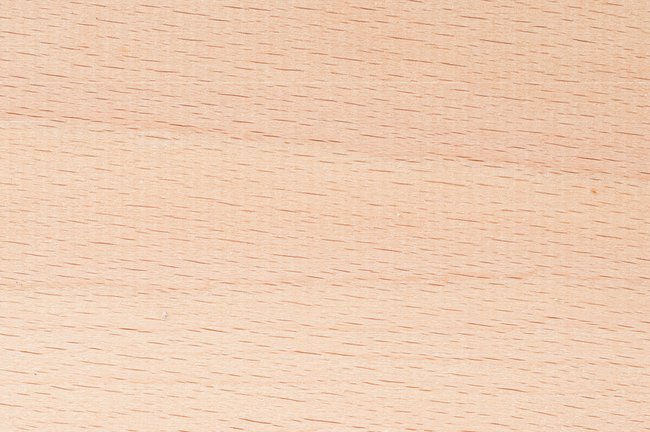
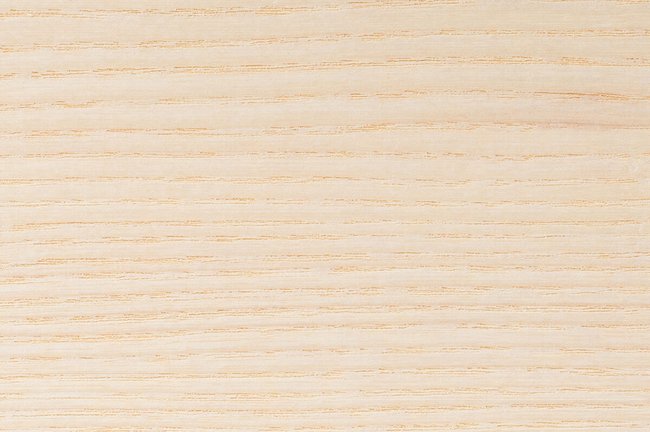
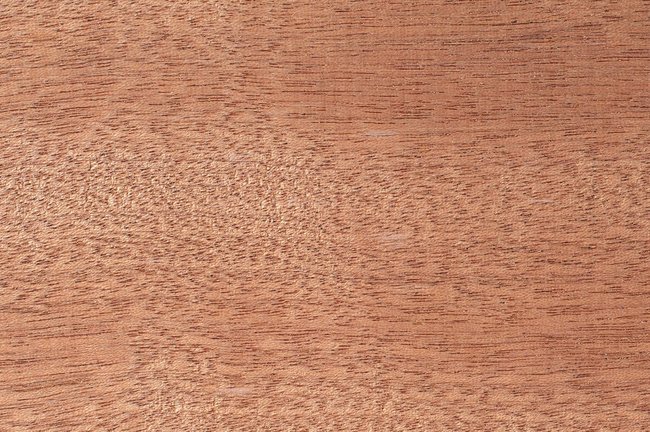
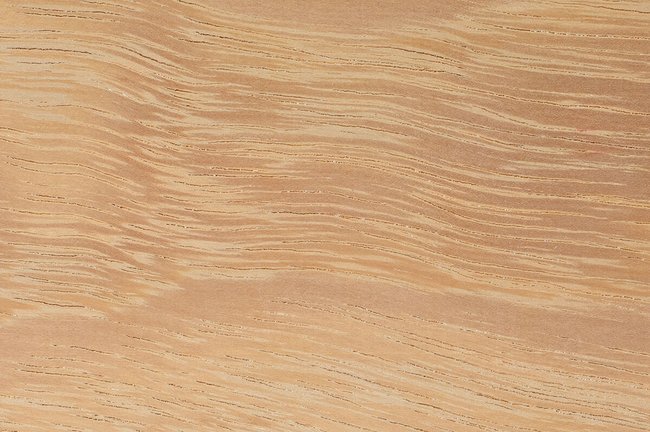
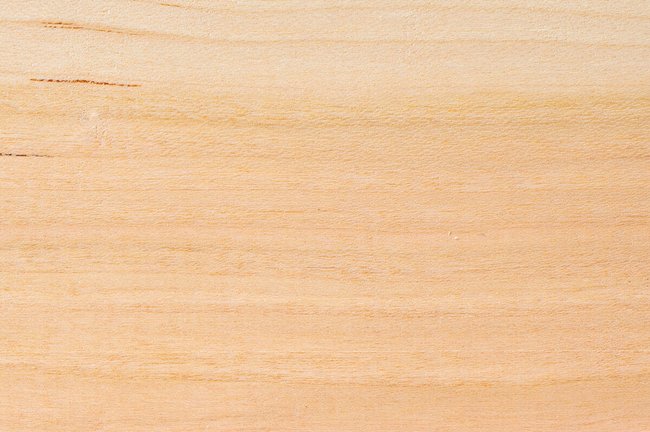
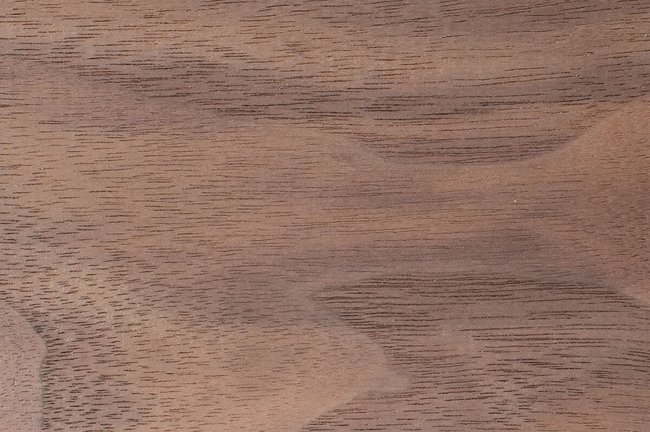
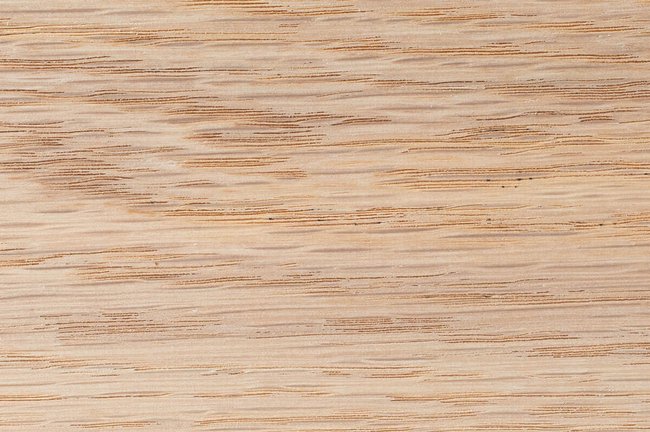
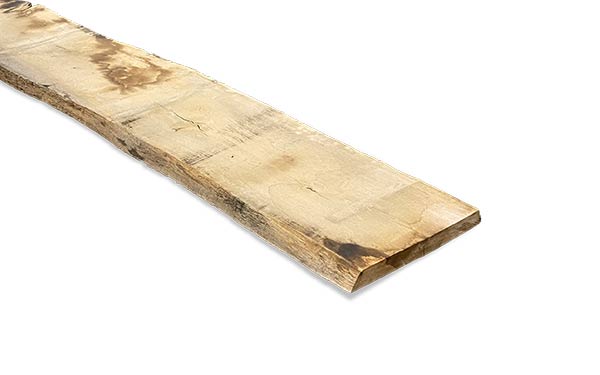
Showing 1-12 of 14 results
What hardwood timber is, and why choose it
Hardwood timber comes from broadleaved trees such as oak, walnut and ash, and you choose it for what softwood cannot give you: colour and figure you want on show, a surface that resists dents, and in the durable species a life outdoors without chemical treatment. Our range covers European and American hardwoods, African hardwoods for exterior and marine work, and two modified timbers that compete with them outdoors.
Every species is sold by the cubic foot and priced on application, because hardwood arrives in random widths, lengths and thicknesses and no two boards are the same. You choose the species here, then use the enquiry option on its page.
Hardwood is the wrong choice for hidden structural framing. Joists, studs and rafters are a job for graded softwood, which is lighter, cheaper and specified by strength class: see our construction timber.
Types of hardwood timber
The quickest way to narrow the list is by where the timber will live. Some species are built for weather and ground contact, some are strictly for furniture and interiors, and two are softwoods modified to behave like durable hardwoods. Density, in kilograms per cubic metre, tells you how heavy and how hard wearing each one is.
Outdoor, structural and marine hardwoods
These species carry their durability in the wood itself, so they don’t need preservative to last outside, though left bare they weather to silver grey, so most people oil them to keep the colour.
- Iroko (about 660 kg/m³): naturally oily West African hardwood for gates, garden furniture, external doors and boat work, see iroko hardwood
- Beam Oak (European oak, about 720 kg/m³): fresh sawn oak for porches, garages and oak framed extensions, see oak beams
- American White Oak (about 770 kg/m³): straight, pale, uniform oak for staircases, doors, flooring and external frames and thresholds
- Sapele (about 640 kg/m³): reddish brown with a ribbon stripe, the traditional timber for painted or oiled windows and external doors
- Ekki (about 1,050 kg/m³): one of the densest timbers in commercial use, for jetties, bridge decks and sea defences
Furniture and interior hardwoods
These are cabinet and joinery timbers. They machine and finish beautifully, but they belong indoors.
- Live Edge Oak (European oak, about 720 kg/m³): slabs with a natural edge for dining tables, island tops, mantels and shelves, see live edge oak
- American Black Walnut (about 660 kg/m³): naturally dark chocolate brown for tables, staircases and bespoke kitchens, see American black walnut
- American Cherry (about 580 kg/m³): pinkish brown that deepens to reddish brown with light, for fitted furniture and kitchen doors
- American Ash (about 670 kg/m³): pale, tough and shock resistant, for chairs, handles and steam bent work
- Maple (about 740 kg/m³): hard, creamy white and close grained, for floors, worktops and butcher blocks
- Steamed Beech (about 720 kg/m³): even pink brown, for chair frames, worktops, toys and turned work
- Poplar (about 500 kg/m³): light and stable, the timber to choose when the job will be painted
Modified timbers: Accoya and Thermo Radiata Pine
Both start as plantation radiata pine and are changed right through, so they don’t need preservative to last, and, like the hardwoods, weather to silver grey if left bare. Accoya is acetylated, which gives durability class 1 and cuts movement by roughly three quarters, making it the most stable timber we stock for windows, doors and cladding. Thermo Radiata Pine is heated to around 212 °C, giving class 2 durability and a chocolate brown colour right through, for cladding and screens. The heat treatment reduces bending strength, so Thermo Radiata Pine is a cladding and joinery timber, not a structural one.
Hardwood durability explained
Durability classes run from 1, very durable, to 5, not durable, and describe how well untreated timber resists decay outdoors. Our product data gives each species an indicative service life in exposed conditions:
- Over 25 years (class 1 to 2): Accoya, iroko and ekki, the choices for ground contact, marine work and anything you never want to replace
- 15 to 25 years (class 2): European oak, American white oak and Thermo Radiata Pine, for frames, cladding and exposed joinery
- 10 to 15 years: sapele (class 3), best painted or oiled outdoors; cherry and walnut are sold for interior work
- Under 5 years: poplar, maple, beech and ash, which are interior timbers only
Working with hardwood
Hardwood rewards a little preparation. Most problems come from rushing it into a heated room or fixing it with the wrong metal.
- Acclimatise: stack interior timber flat on stickers in the room it will live in for two to three weeks before machining
- Allow for movement: fix wide tops and panels with slotted fixings or buttons so they can expand across their width
- Pre-drill: dense species such as oak, maple and ekki split rather than compress when a fixing is forced
- Fixings: use A4 grade 316 stainless steel on oak, iroko, ekki and Accoya, because tannin stains black around ordinary steel and the acetic acid in Accoya corrodes it
- Finishes outdoors: avoid yacht varnish and gloss paint, which crack as the wood moves, and use a penetrating oil from our exterior wood oils instead
Hardwood timber in Dublin and across Ireland
Every species on this page is held in our North Dublin warehouse for collection or delivery across Ireland, kiln dried, air dried or fresh sawn as each product page states. FSC or PEFC certified supply is available on request. For heavy sections such as ekki and oak beams, plan the handling before delivery. To order, open the species page and send an enquiry with the species, the thicknesses and the approximate volume or cutting list you need.
Frequently Asked Questions About Hardwood Timber
Why is there no price on your hardwoods?
Hardwood is a natural, variable material: every board differs in width, length and figure, and each log is converted for the best yield rather than to a fixed schedule. So every species here is priced on application and sold by the cubic foot rather than bought off the shelf.
How do I order hardwood?
Use the enquiry option on the species page and tell us the species, the thicknesses and the approximate volume or cutting list you need. Each species page also states how that timber is dried, so you can check it suits the job before you send the enquiry.
What is a cubic foot of timber?
A cubic foot is the volume of a block 12 inches long, 12 inches wide and 12 inches thick, about 0.028 m³. There are roughly 35 cubic feet in a cubic metre. Hardwood is measured this way because boards vary in width, so volume is the fair way to sell it.
What does buying oak in boule mean?
Our live edge oak is cut through and through from whole logs, and the boards come back in boule, each slab in the order it left the log. Consecutive slabs share colour and figure, so book matched pairs genuinely match.
Is your hardwood FSC certified?
FSC and PEFC certified supply is available on request for every species on this page except Accoya, which is available FSC certified. Mention certification in your enquiry if your project or specification needs it.