
Length
Width
Thickness
Colour Tone
Profile
Material
Fire Rating
Range
Species
Wood Type
Warranty
Moisture Content
MDF Boards
MDF board is a flat, grain free sheet made from wood fibre and resin, the default choice for painted joinery, fitted furniture and routed work. Our range runs from 3 mm to 45 mm thick, in 2440×1220 mm sheets and oversize CNC sheets up to 3660×2200 mm, across standard, moisture resistant, fire retardant, Tricoya, veneered, coloured and Querkus grades. Choose the grade by where the board will live, then the thickness by the job. Every board is stocked in our warehouse and delivered across Ireland.
Sort by
Showing 1-12 of 91 results
MDF board for sale in Ireland
MDF board is the sheet most joiners, kitchen fitters and home builders reach for when a job is going to be painted, routed or built into a fitted unit. We stock the full range in our warehouse, from 3 mm panels for cabinet backs to 45 mm boards for heavy shelving, in the 2440×1220 mm sheet and oversize sheets for CNC work. Each grade has its own page below, so you can compare thicknesses, sheet sizes and stock, then order online for delivery across Ireland.
The range covers seven types of MDF, each made for a different place in a building:
- Standard MDF: dry interior joinery, shelving, skirting and painted panelling
- Moisture resistant MDF: kitchens, bathrooms and utility rooms where the air is damp
- Fire retardant MDF: linings, doors and counters where a fire class is specified
- Tricoya MDF: exterior joinery, fascias, soffits and signage
- Veneered MDF and Querkus: real timber faces for doors, panelling and furniture
- Coloured MDF: colour right through the core, for edges left on show
What MDF is
MDF is medium density fibreboard: wood fibre broken down, mixed with resin and pressed flat under heat. There is no grain to work with or against, no knots to steer around and no voids inside it, so an MDF board behaves the same wherever you cut it and a routed edge comes out as crisp on the fortieth panel as on the first. That is why it has become the default for painted joinery and fitted furniture.
The two things to know before you buy are weight and water. MDF sheets are heavier than plywood of the same thickness, and the core swells once it gets properly wet and never recovers. Both are easy enough to plan around once you know which grade you are buying.
How to choose MDF board
Four questions settle almost every MDF order, and it pays to answer them in this order before you look at thickness or price.
- Where will it live? A dry room suits standard board, a kitchen or bathroom calls for moisture resistant MDF, and anything outside needs Tricoya.
- How will it be finished? Paint suits every grade. An oiled or lacquered timber look means veneered MDF or Querkus, and a bare coloured edge means coloured MDF.
- Does the specification name a fire class? If it does, fire retardant MDF is the board that meets it.
- What has to fix into it? Hinges, shelf pins and long assembly screws are sized around 18 mm, which is why that thickness is the default.
Once those are answered, the sheet size follows the job. The 2440×1220 mm sheet, still called an 8×4 because it is roughly 8 by 4 feet, fits in a van and covers most furniture and panelling. The larger standard sheets suit CNC beds and long runs where a joint would show.
Start with the type, not the thickness
Most people arrive looking for a thickness and leave having changed their mind about the grade. The type decides whether the board survives where you are putting it; the thickness only decides how far it will span and what fittings it will take. We carry seven ranges.
Standard MDF
Dry interior work is what this board is for: shelving, fitted units, skirting, architrave, window boards and painted panelling. It is what most drawings mean when they simply say MDF. We carry it from 3 mm to 45 mm and in sheets up to 3660×2200 mm for CNC beds. The 18 mm sheet is the one most jobs come back to, because cabinet hardware is designed around that depth. The full range is on the Standard MDF page.
Moisture Resistant MDF
Kitchens, bathrooms, utility rooms and anywhere the air is damp for part of the day want the green board instead. It is tinted so nobody mistakes it on site, and the resin is a moisture repellent type that stops the fibre swelling in humid air. It is not waterproof, so cut edges still need sealing and a shower lining needs something else entirely. Cutting, routing and priming all behave like the standard board. Sizes run 6 mm to 38 mm on the moisture resistant MDF page, and 18 mm in 2440×1220 mm covers most bathroom joinery.
Fire Retardant MDF
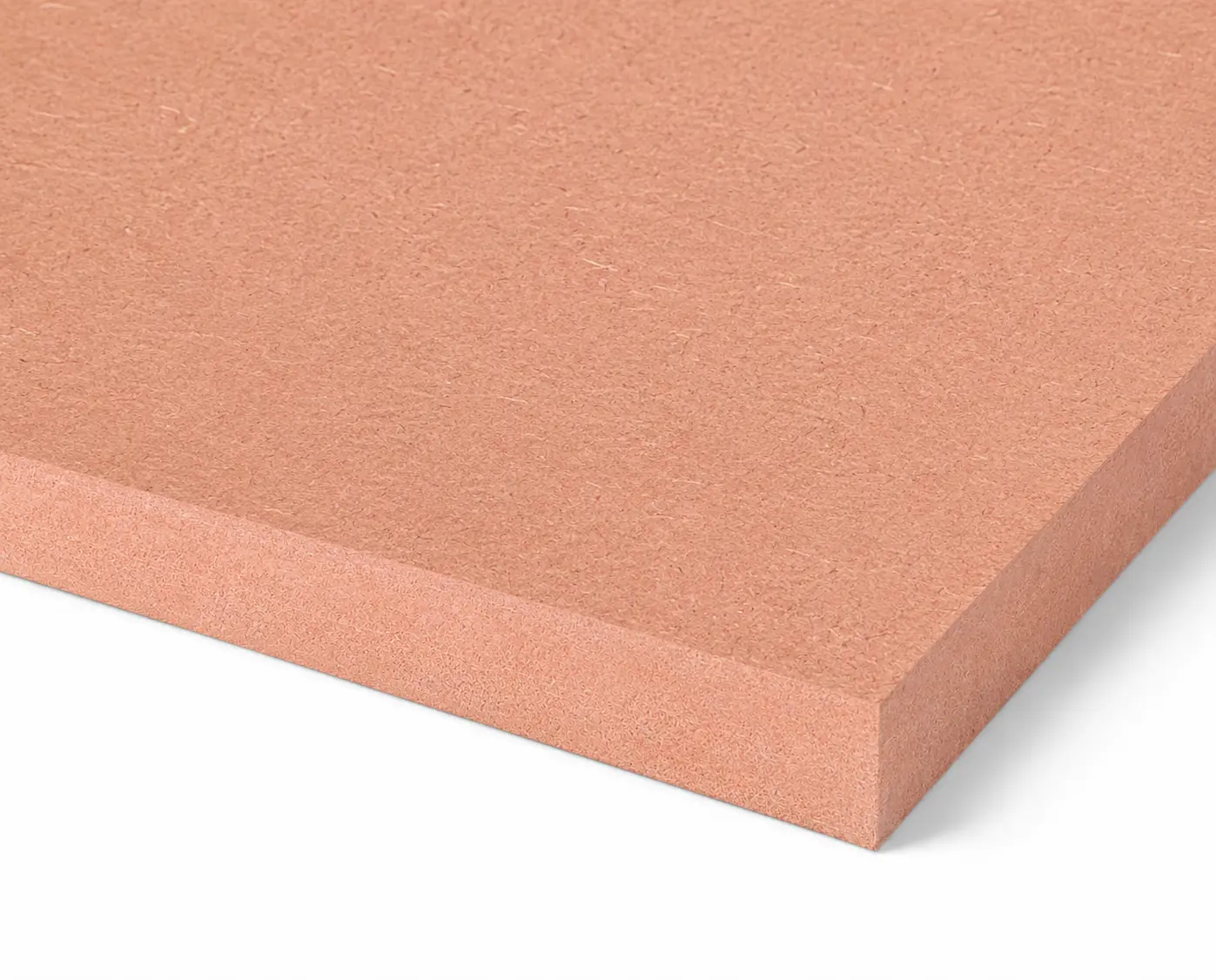
Where a specification names a reaction to fire class, this is the board that meets it. It is coloured red through the panel so it cannot be confused with standard board once it is cut, and it is classified B-s1,d0, which unpacks as slow to catch, very little smoke, and nothing burning dropping off it. Wall and ceiling linings, doors, partitions and counters in schools, hotels and public buildings are where it goes. Check the finish early, because a coating can change how the surface behaves. We hold 6 mm to 30 mm, with 22 mm the usual choice for counters and bench tops, on the fire retardant MDF page.
Tricoya MDF
Outdoors is normally no place for a fibreboard at all, and Tricoya is the exception. The fibre is acetylated before the board is pressed, a chemical change that stops it taking up water, so the panel does not swell and shrink with the weather. It is warranted for 50 years above ground, which is why it turns up in cladding details, soffits, signage, gates and wet area joinery. It machines like ordinary MDF, and that is the point: a crisp routed profile and a face that paints without filling the grain, on something that will live outside. It is the premium board in the MDF range, and it earns that place on exterior work no other MDF can do. Thicknesses run 6 mm to 18 mm, and 12 mm covers most panelling, on the Tricoya MDF page.
Veneered MDF
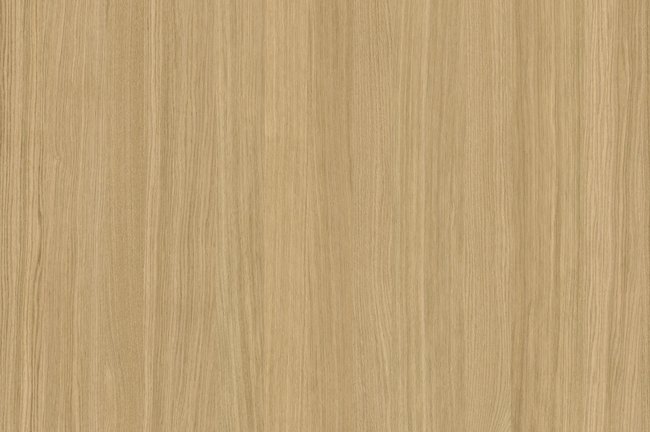
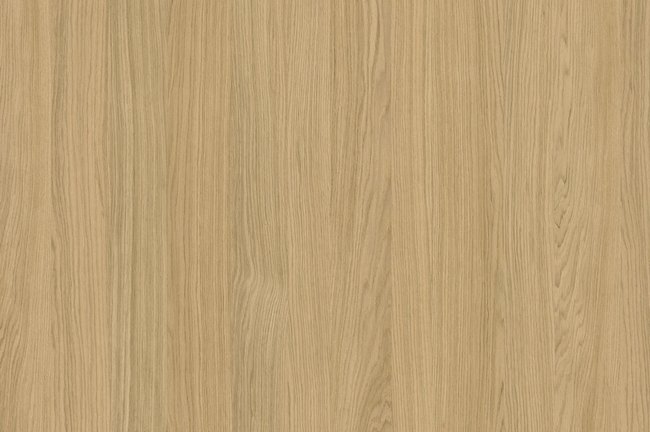
Real timber on the face, a flat and stable panel underneath. We carry a choice of species, veneered on both sides so the board does not bow, which makes it the sensible choice for wide door panels and long counter fronts that would move in solid timber. It finishes with oil or lacquer exactly as the solid species would. Test on an offcut first, because timber varies and the same oil reads differently from one sheet to the next. The species are listed on the veneered MDF page.
Querkus MDF
Decospan’s oak faced panel is for jobs where one oak character has to run across doors, panelling and furniture without the grain falling into an obvious repeat. Adagio has broad crown cut figure and Allegro a narrower planked look, both brushed so the grain has texture you can feel. Both are on the Querkus MDF page.
Coloured MDF
Valchromat is dyed all the way through, so a chamfer, a routed detail or a plain sawn edge shows the same colour as the face and there is no edge band to apply or to lift later. Eleven colours, 19 mm, 2440×1220 mm. It is denser than standard board and cuts very cleanly, so an exposed edge can go straight to sanding and oiling. Judge it oiled rather than bare, because it comes out of the sheet pale and deepens considerably. The palette is on the coloured MDF page.
Choosing a thickness
With the grade settled, thickness is mostly about span and about what has to screw into the board. Three to six millimetres is for panels that sit captive in a groove or a rebate, which covers cabinet backs, drawer bottoms and router templates. Nine to twelve suits panelling, light shelving and small drawer sides. Eighteen is the workshop default, and the reason is hardware rather than strength, since concealed hinges, shelf pin systems and long assembly screws are all sized around that depth. Twenty two to thirty is for worktops and shelving that will be loaded properly, and the two thickest boards are for the occasional panel doing structural or acoustic work.
Span is the thing that catches people out. A long, loaded shelf can settle into a curve over time, and no amount of paint hides it, so put a batten behind it, a lipping along the front or another bearer underneath. Those details usually do more for a shelf than going up a thickness, which adds weight as well as stiffness.
How much does MDF board cost?
The price of an MDF board comes down to four things: the grade, the thickness, the sheet size and the face. Standard board is the entry point. Moisture resistant and fire retardant grades sit above it because of what goes into the core, and veneered, coloured, Querkus and Tricoya boards carry the cost of the face or the modification that makes them what they are. Thicker and larger sheets cost more simply because there is more board in them.
The fair way to compare is by what the job needs to cover rather than by the price of a single sheet. Work out the area or the list of parts first, then use the calculator on the product page to turn it into a sheet count, so you are not paying for board you will cut to waste. Live prices are shown on every board in the grid above, and your whole order is totalled in the cart before you check out.
Working with MDF
Use tungsten carbide tooling, because high speed steel goes blunt quickly against the resin and a blunt blade burns the cut. Feed it steadily, score the face before a rip on a table saw, and support the offcut so the last few inches do not break away and take a chip out of the good side with them.
The face is dense and the edge is not, which is the most common reason a painted job looks furry afterwards. A cut edge drinks paint and moisture, so seal it with a thinned primer, a proper MDF edge sealer or a solid lipping. Prime the edges first, let them dry, then give them a second pass before the topcoat goes near the panel.
Dust deserves more care here than with solid timber, because it is very fine and carries the resin binder with it. Cut with extraction at the tool, wear an FFP3 mask, and vacuum with a HEPA filter rather than sweeping it back into the air.
Fixings are the other limit, because the board does not hold a screw the way solid timber does, least of all in an edge. Pilot drill, use coarse threaded MDF screws, and where a joint is carrying weight put dowels, biscuits or a mechanical fitting into it rather than asking the fibre to hold a thread.
MDF or plywood
Choose MDF when the surface is going to be painted, when you want a machined edge to come out crisp, and when a flat consistent panel matters more than weight. Choose plywood when the panel has to be lighter, hold a screw in its edge, span further or survive a soaking, and for anything structural. The alternatives are on the plywood page.
MDF boards in Dublin and across Ireland
Every MDF board on this page is stocked in our North Dublin warehouse, ready for collection or delivered across Ireland. We carry the thicknesses and sheet sizes joiners, kitchen fitters and shopfitters actually use rather than a token size in each grade, so the whole job can go on one order. Use the calculator on each product page to get the sheet count right, and browse the rest of our sheet materials for plywood, OSB and MFC.
Frequently Asked Questions About MDF Boards
What size do MDF sheets come in?
The standard sheet is 2440×1220 mm, and much of the range also comes in 3050×1220 mm. Some thicknesses come in a wide 3050×1525 mm sheet, and there is an oversize 3660×2200 mm sheet for CNC beds. Thicknesses run from 3 mm to 45 mm.
What is MDF wood?
MDF is medium density fibreboard: wood broken down into fibres, mixed with resin and pressed flat under heat. It has no grain, knots or voids, which is why it paints well and machines to a crisp edge.
How much is a sheet of MDF?
The price depends on the grade, the thickness and the sheet size, so each product page shows the current price for that board. Enter your area in the calculator on the product page to see how many sheets the job needs.
Is MDF waterproof?
No grade of MDF is fully waterproof. Standard MDF swells if it gets wet and does not recover, moisture resistant MDF handles damp air in kitchens and bathrooms, and Tricoya MDF is the grade made for exterior and wet work.
Is MDF fire resistant?
Ordinary MDF is not a rated board and sits well down the fire scale. Where a specification asks for a reaction to fire class, use fire retardant MDF, which is treated through the board and classified Euroclass B.
Do you sell flexible MDF?
Our MDF range does not include a flexible board. For curves, flexible plywood is made to bend straight off the sheet, and our 4 mm oak veneered MDF will follow a gentle curve around a former.
How heavy is a sheet of MDF?
Standard MDF runs at about 720 kg per cubic metre, so it is heavier than plywood of the same thickness. An 18 mm sheet of 2440×1220 mm weighs 38.6 kg, which is a two person lift. Each product page lists the sheet weight.