
Length
Width
Thickness
Colour Tone
Profile
Material
Fire Rating
Range
Species
Wood Type
Warranty
Moisture Content
Decking Substructures
A decking substructure is the frame of joists and supports that carries your deck boards and keeps them level and clear of water. We stock PuraFix recycled plastic joists from 40 x 30 mm to 100 x 100 mm, timber joists in Douglas fir, oak, yellow balau, MicroShades and Ecowood in longer lengths and deeper sections, and adjustable pedestals from 10 mm to 210 mm high. All stocked in our warehouse and delivered across Ireland.
Sort by



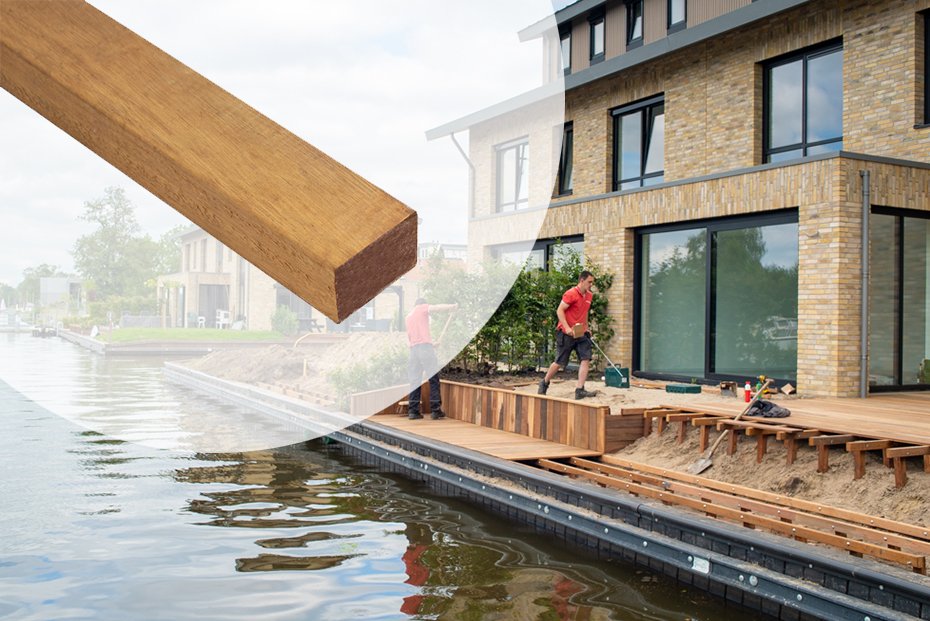
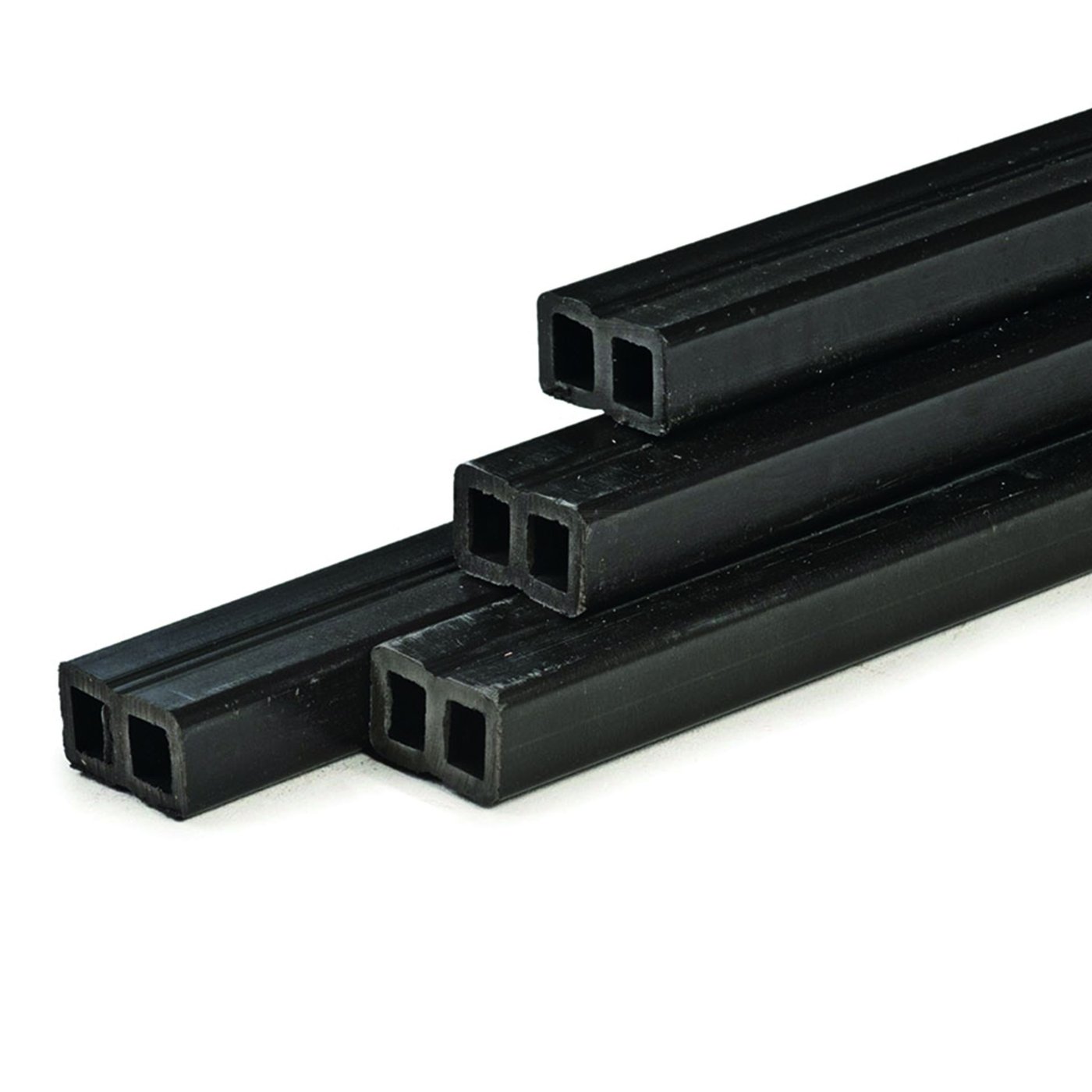

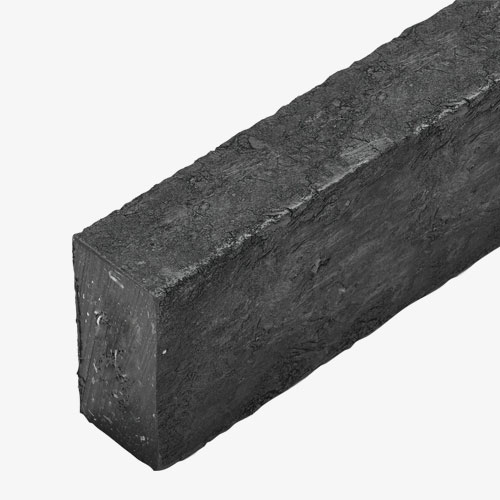
Showing 1-12 of 20 results
What a decking substructure does
The decking substructure is the frame under the boards, and it decides how long a deck lasts and how flat it stays. The boards only span from joist to joist, so the joists carry every footstep, and whatever the joists sit on has to hold them level and clear of standing water. Get the frame right and the boards on top will look after themselves; get it wrong and no board will hide it.
A deck frame has two parts: the joists, which the boards are fixed to, and on hard surfaces, adjustable pedestals, which lift and level the joists.
Types of decking substructure
Choose the joist material to suit your boards and site, then add pedestals if you are building over a slab, patio or balcony.
Composite and recycled plastic joists
PuraFix joists are made from recycled plastic, so they do not rot and never need treating. They are the natural partner for composite decking. See every size on our decking joists page.
- Everyday sections: 50 x 50 mm and 100 x 50 mm, the usual sizes for composite deck frames.
- Heavy sections: 150 x 50 mm and 100 x 100 mm, the heaviest in the range, for deeper frames.
- Hollow joist: a lighter 40 x 30 mm section.
Timber joists
Timber joists suit timber decks and frames that need longer lengths or deeper sections. We stock them in several species and sections:
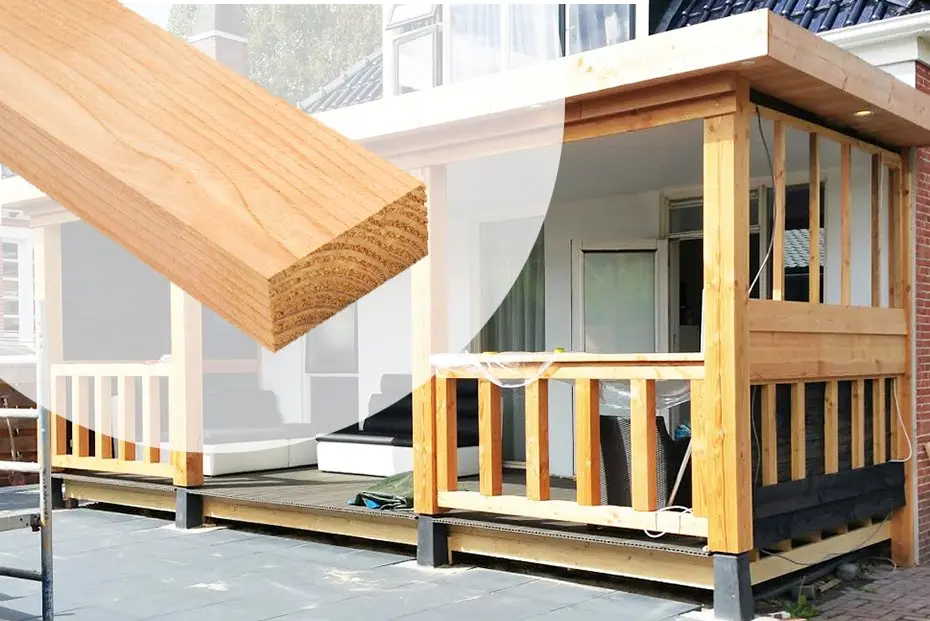
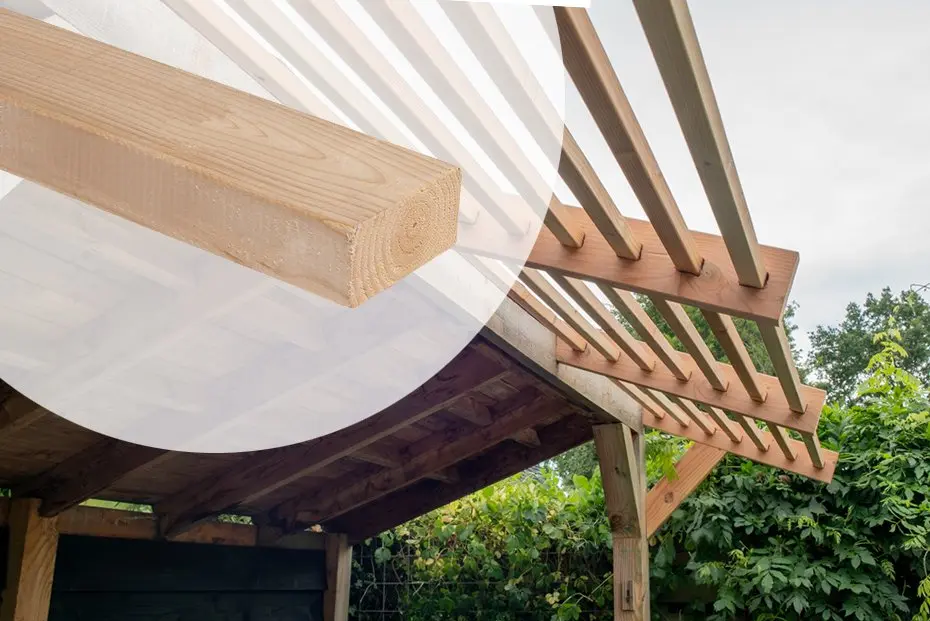
- Douglas fir joists: sawn sections from 70 x 50 mm to 200 x 70 mm, a strong softwood for everyday frames and long heavy joists.
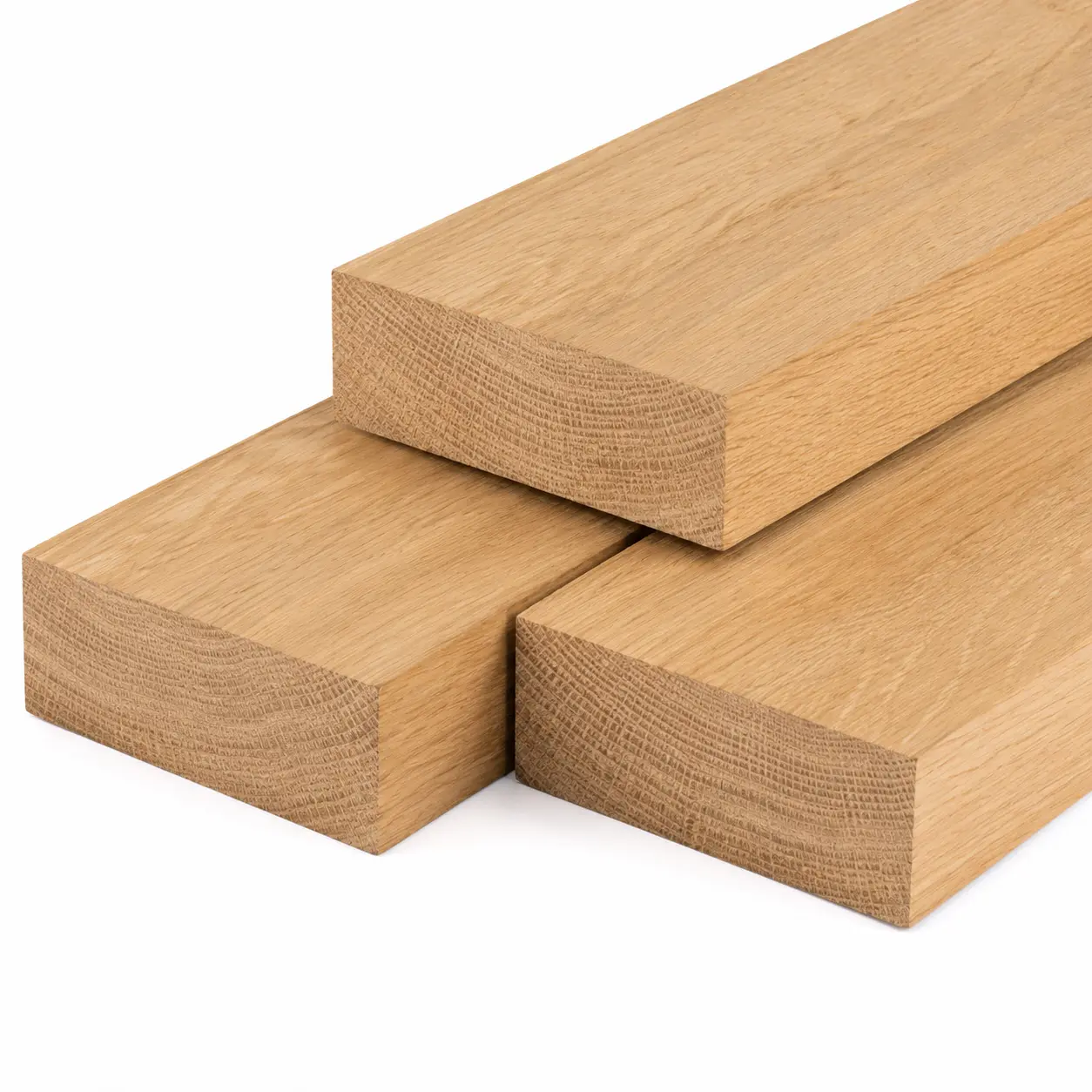
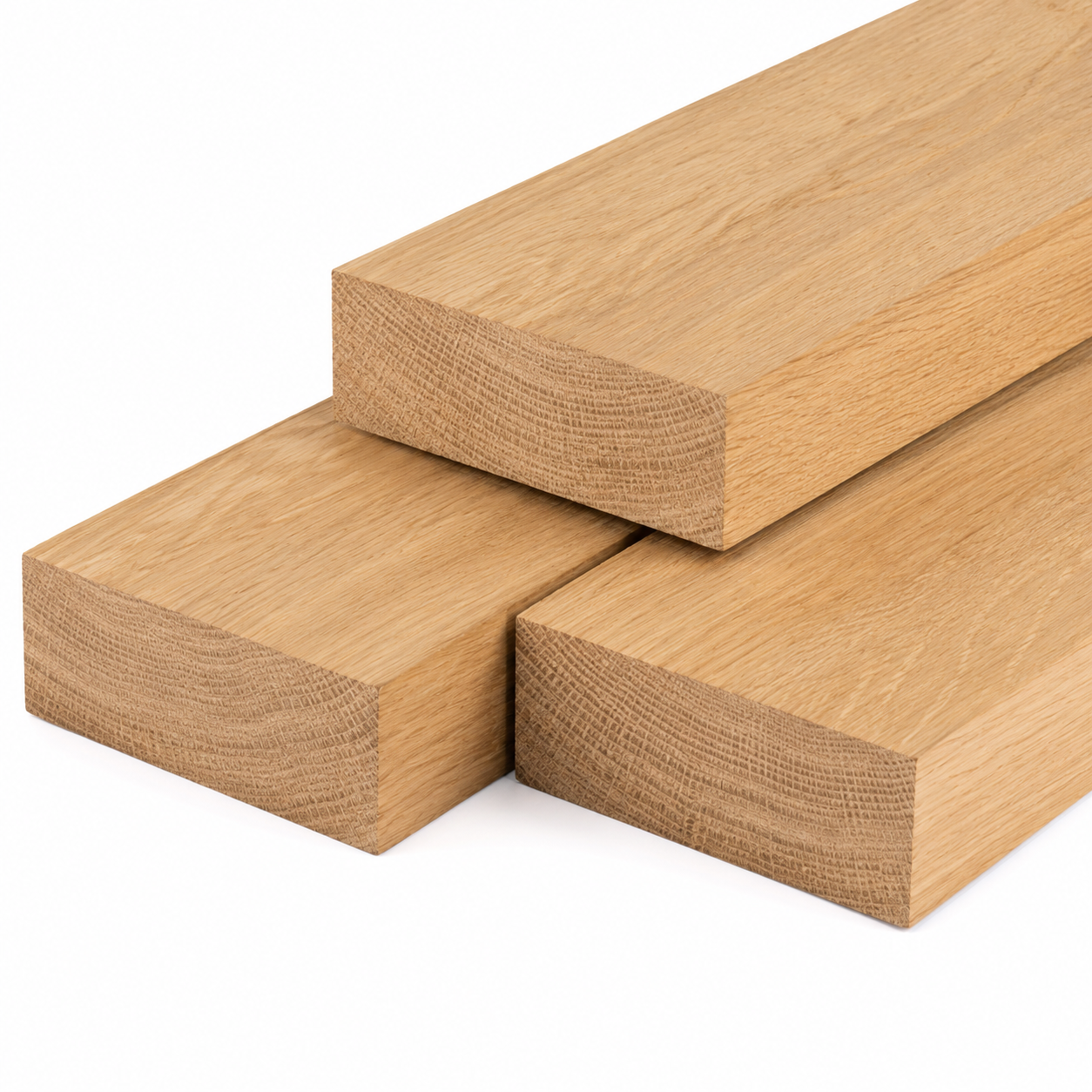
- Oak joists: heavy sawn 150 x 70 mm and 200 x 70 mm sections, Durability Class 2, for frames built to last.
- Yellow balau and hardwood joists: planed sections from 65 x 42 mm to 190 x 45 mm in Durability Class 1 hardwood, for premium decks.
- MicroShades joists: factory treated softwood at 100 x 44 mm and 150 x 44 mm that arrives ready to install.
- Ecowood joists: kiln dried softwood at 95 x 45 mm, with consistent quality from piece to piece.
Choose the length on each product page; longer joists mean fewer joins in the frame on long runs.
Adjustable decking pedestals
Where the deck sits on a hard surface, decking pedestals go under the joists and twist up or down to take out dips and falls without packing. PuraFix pedestals come in four height ranges:
- 10 to 45 mm: for low decks on a near level slab.
- 35 to 60 mm: for patios and balconies with gentle falls.
- 60 to 110 mm: for bigger falls, or to raise the deck to a door threshold.
- 110 to 210 mm: for steeper slopes and raised decks on uneven ground.
Composite or timber joists?
Recycled plastic joists win on maintenance: there is nothing to treat, now or later, and they suit the 350 mm or closer joist centres our Pura composite boards need. Timber joists give you longer lengths and deeper sections, up to 200 x 70 mm. Species below Durability Class 1 last longest when you seal cut ends and notches as you build, so most customers keep a tin from our oils and stains range on hand while cutting.
How much substructure do I need?
For PuraFix composite joists, allow 4 m of joist for every square metre of decking, then divide by the joist length you choose on the product page and round up. For timber decks, set joists at a maximum of 400 mm centres on residential decks and 300 mm or less for heavier loads. The calculator on each board page works out the boards, and the cart adds the matching fixings.
Building a deck frame
- Prepare the base: clear and level the ground, or check the slab or patio for dips and falls.
- Set the supports: place pedestals on hard surfaces and adjust them so the frame sits level with a slight fall for drainage.
- Lay the joists: run them at the centres your boards need and keep air moving underneath.
- Protect the timber: cover the tops of wooden joists with joist tape before the boards go down.
Decking substructures in Dublin and across Ireland
Every joist and pedestal is stocked in our Dublin warehouse alongside the boards they carry, from composite decking to timber decking, delivered across Ireland. For the boards, trims and fixings to finish the job, see our full decking range.
Frequently Asked Questions About Decking Substructures
What goes under composite decking?
A frame of joists at the spacing your boards need: 350 mm centres or closer for our Pura composite ranges. The joists can sit on adjustable pedestals over a slab, patio or balcony, which levels the frame without packing.
Do I need pedestals as well as joists?
Only if you are building over a hard surface that isn’t level, such as a patio, slab or balcony. The joists always carry the boards; the pedestals sit underneath them and twist up or down to take out dips and falls.
Should I use timber or composite joists?
PuraFix composite joists are made from recycled plastic and never rot or need treating. Timber joists are available in several species; on species below Durability Class 1, seal cut ends and notches with an end-grain preservative.
Does a deck substructure need a fall?
Yes. Build in a slight fall away from the house so rainwater drains off the deck rather than sitting on it. Adjustable pedestals make this easy on a slab or patio. Good drainage and ventilation underneath help the whole deck, and especially a timber frame, last longer.