
Length
Width
Thickness
Colour Tone
Profile
Material
Fire Rating
Range
Species
Wood Type
Warranty
Moisture Content
Timber Joists
Timber joists are the load bearing frame under a deck, a raised floor or a garden structure, and we stock them in Ecowood, Douglas Fir, oak, planed hardwood and factory finished MicroShades. Sections run from 65×42 mm hardwood joists up to 220×70 mm heavy Douglas Fir joists, so there is a section for every deck. Every joist is stocked in our warehouse and delivered across Ireland.
Sort by




Showing 1-12 of 18 results
Timber Joists for Sale in Ireland
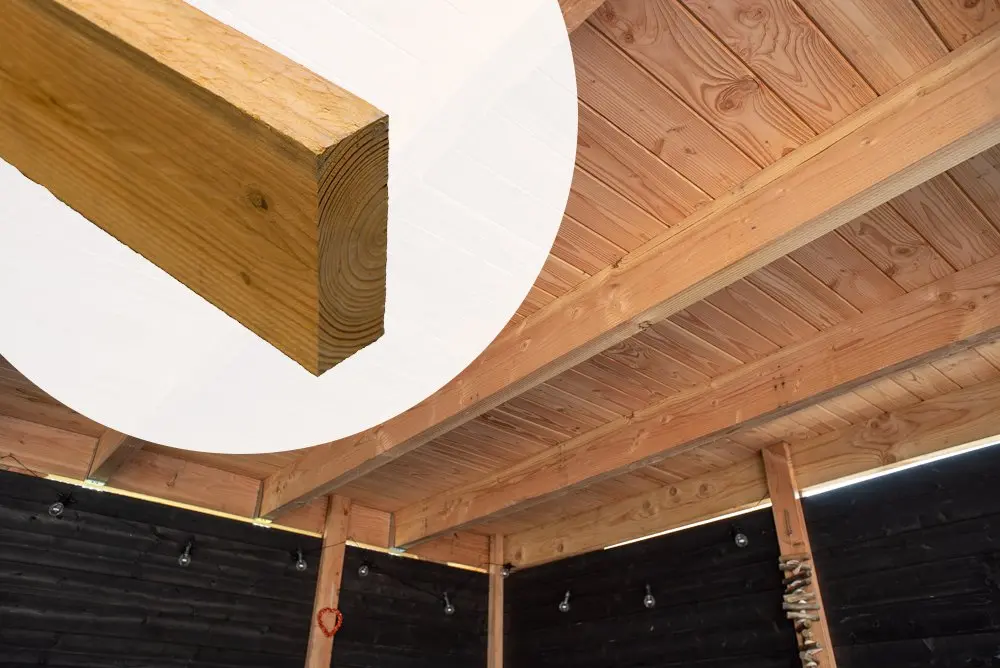
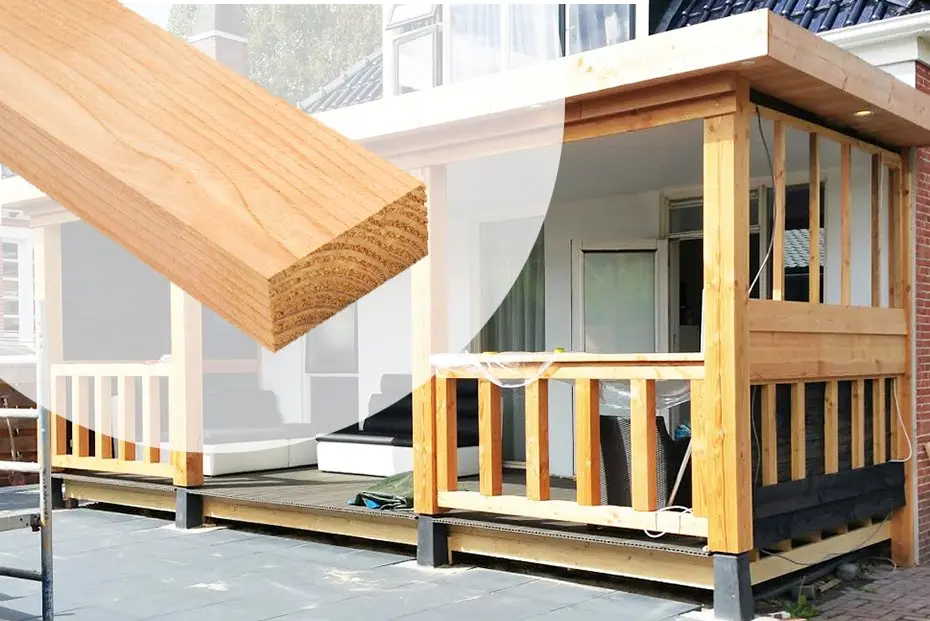
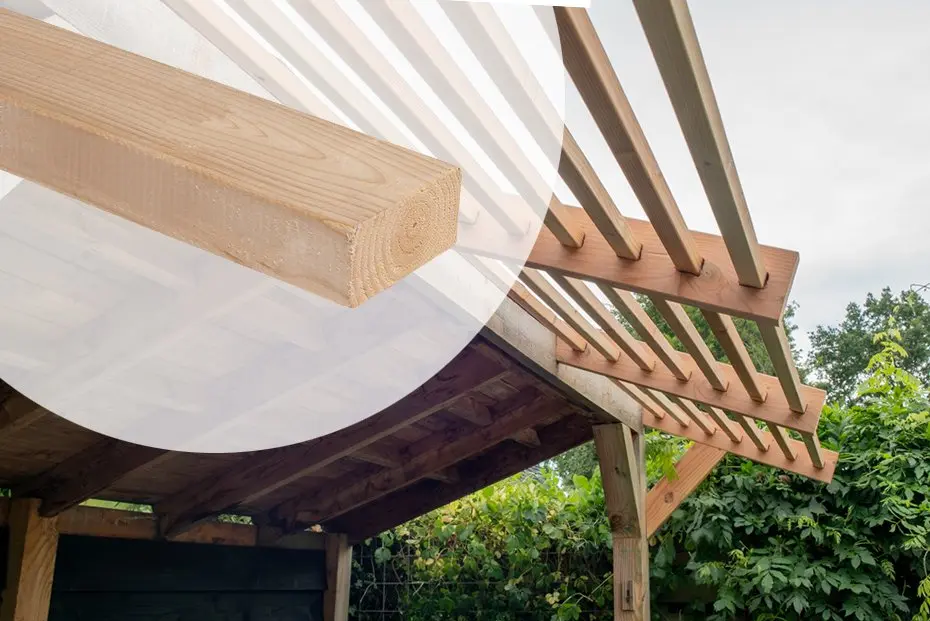
A joist is the timber that carries the load. On a deck it runs under the boards and spreads every footstep onto the bearers, posts or pads below, so the joist you choose decides how stiff the deck feels and how long the frame lasts. The same sections frame raised floors, walkways, garden rooms and pergola roofs.
We sell outdoor timber joists in five species, from light, easy to cut softwood to heavy sawn oak. Each species has its own page with every size and length, and the sections below help you pick the right one.
Types of timber joists
The main choice is between softwood, which is lighter and easier to work, and hardwood, which is heavier and naturally more durable. Match the joist to the decking boards on top where you can, so the whole deck weathers the same way.
Ecowood joists
Ecowood joists are our own brand of kiln dried softwood, light at around 520 kg/m³ and dimensionally stable on site. They run from 70×45 mm to a heavier 195×65 mm, and suit most garden decks.
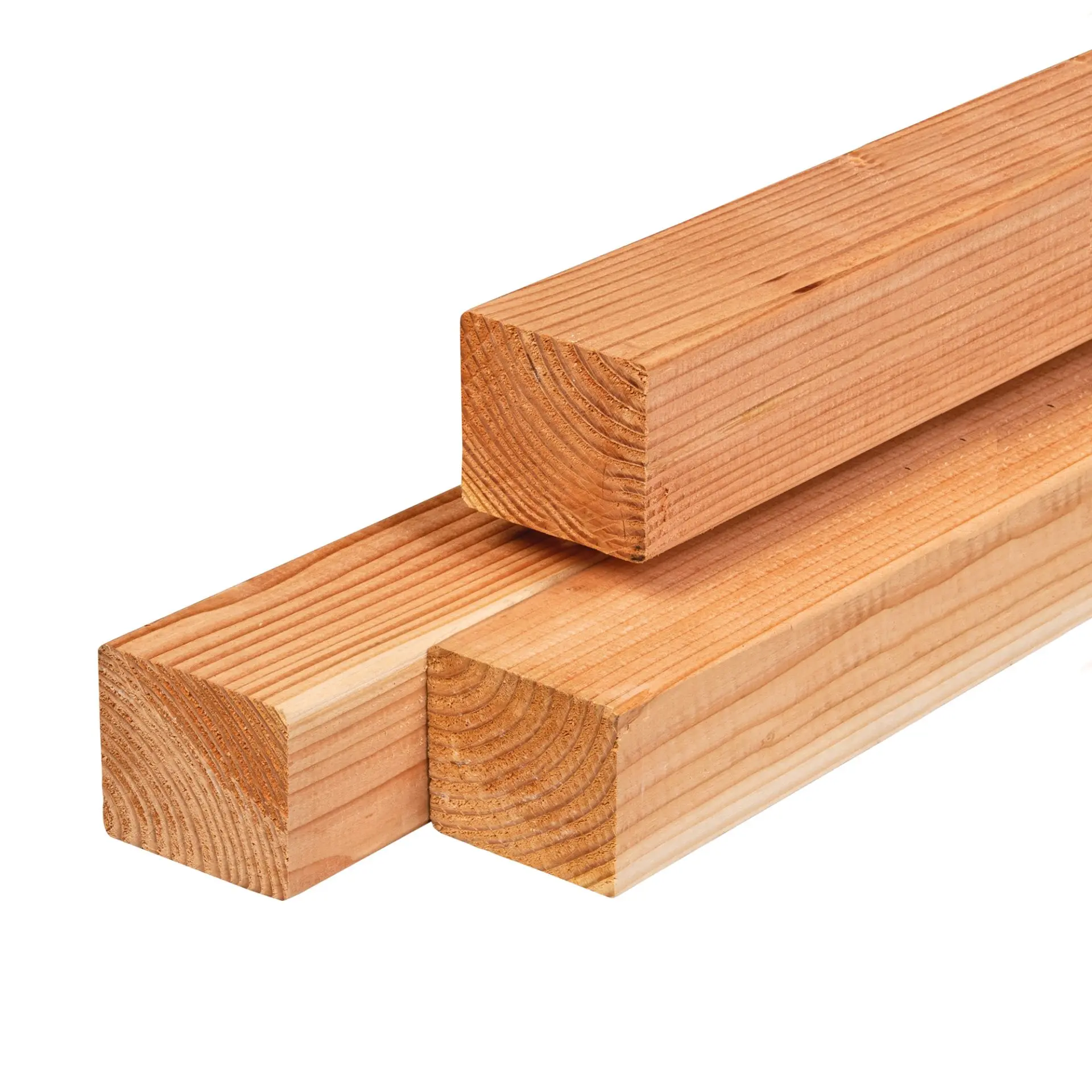
Douglas Fir joists
Douglas Fir joists are sawn, one of the strongest softwoods, with a warm reddish pink tone. The range covers 50 mm thick joists and 70 mm thick heavy joists up to 220×70 mm, for longer spans and heavier frames.
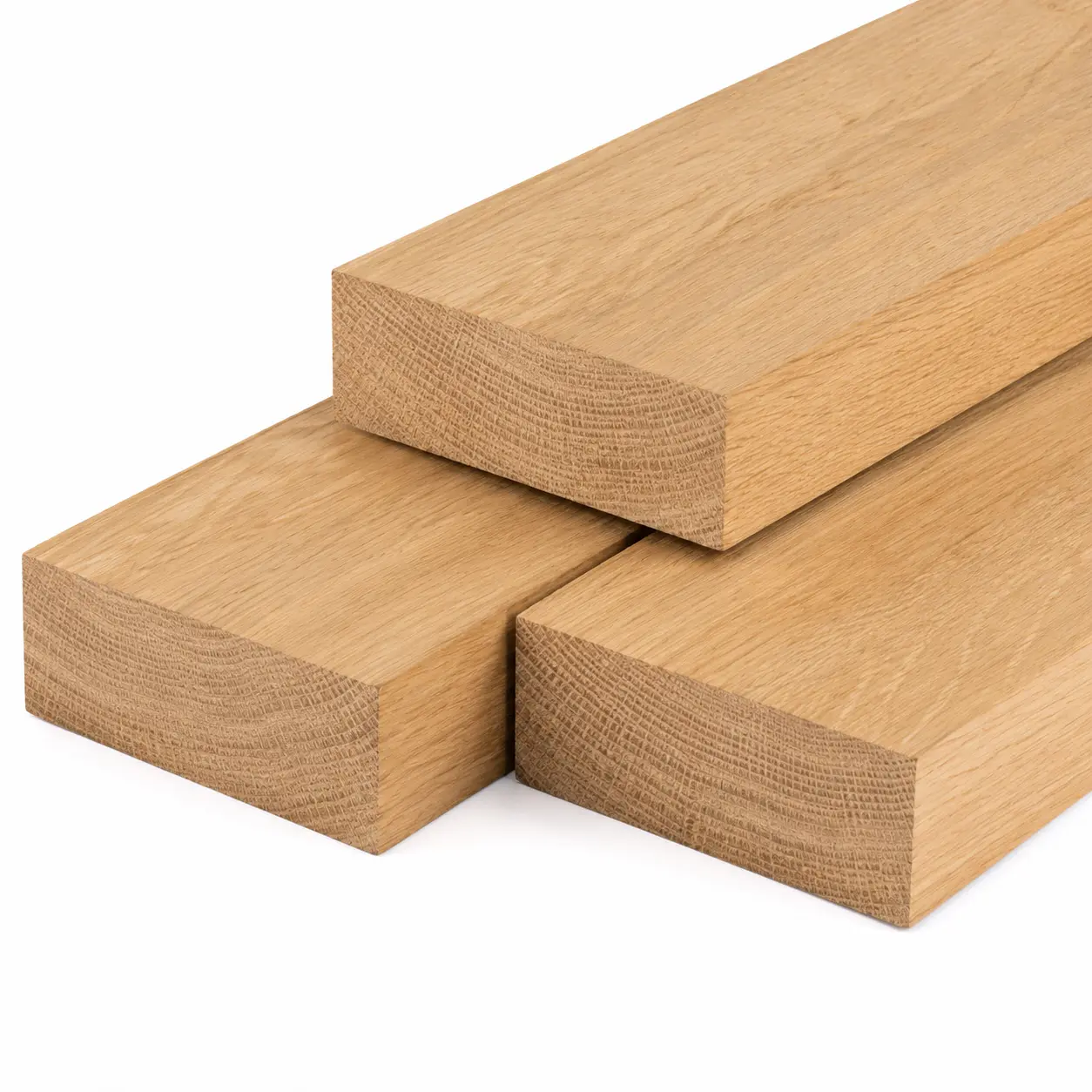
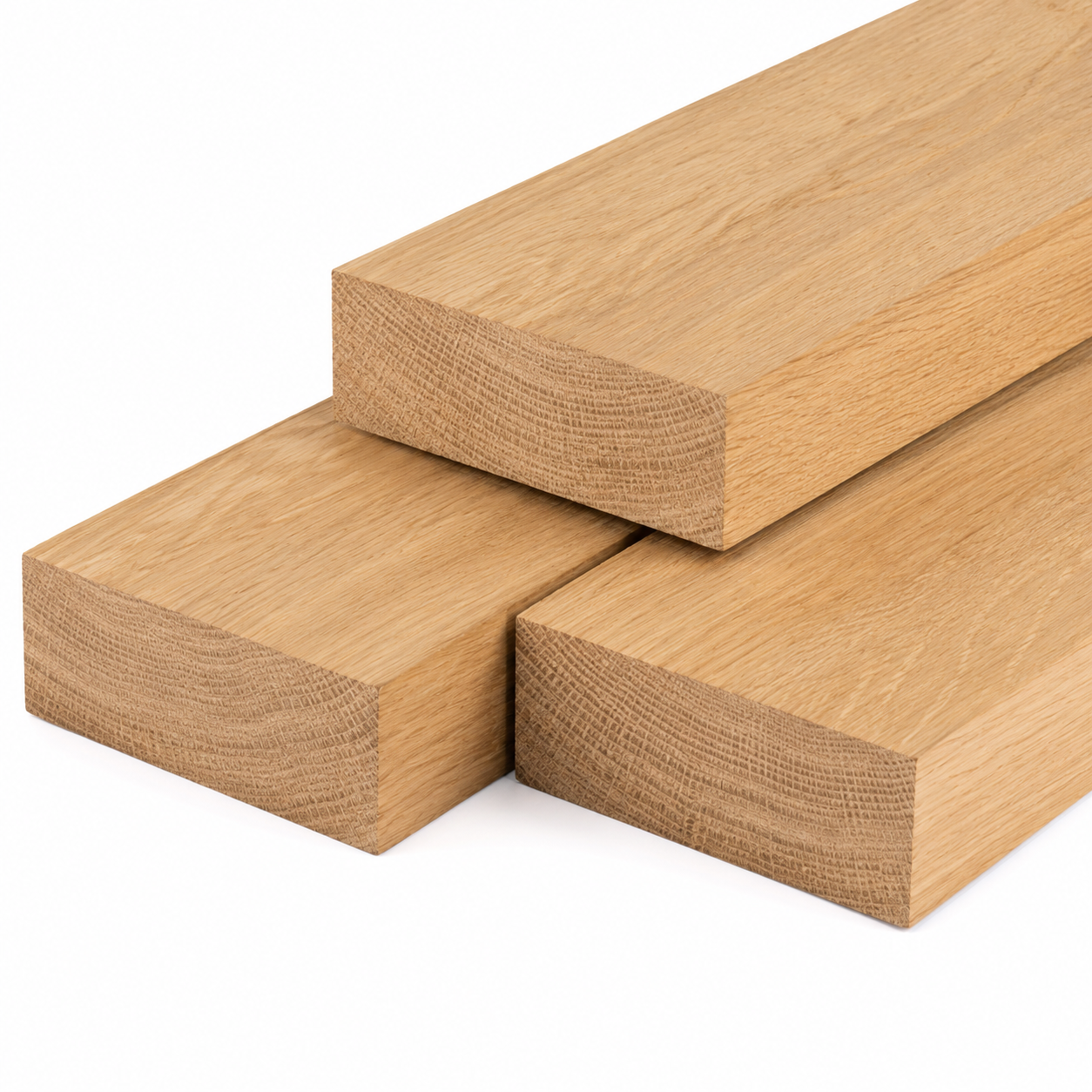
Oak joists
Oak joists are heavy sawn European oak, 150×70 mm and 200×70 mm, Durability Class 2 and around 720 kg/m³. Choose them where the frame is on show or has to match oak beams and posts.
Hardwood joists
Hardwood joists are a dense hardwood, planed all over and naturally resistant to rot without chemical treatment. They run from a slim 65×42 mm to a deep 190×45 mm for longer spans, and are the natural frame under a hardwood deck.
MicroShades joists
MicroShades joists are treated softwood with a factory applied finish, so there is no on site treatment step. The 100×44 mm joist suits low decks and shorter spans, and the 150×44 mm is the standard deck joist.
Timber joist sizes
Joists are named by depth and thickness in millimetres. A deeper joist is stiffer and spans further, a thicker one is harder to split and gives a wider fixing face. As a guide to the range:
- Small sections, from 65×42 mm to 95×45 mm, handle light framing, low decks on a firm base and the frame under slim hardwood decking.
- Standard deck joists, from 100×44 mm to 150×50 mm, are the sizes most garden decks are built on, in Ecowood, Douglas Fir and MicroShades.
- Deep joists, from 190×45 mm to 195×65 mm, come in hardwood and Ecowood for longer spans and raised decks.
- Heavy joists, from 150×70 mm to 220×70 mm, are sawn oak and Douglas Fir for heavy frames, walkways and structures that carry more load.
Choose the length on the product page; a joist that runs the full width of the deck means no joints to support. The span a joist can carry depends on its species, its size, the spacing and the load, so always have an engineer or a span table confirm the size before you build.
Joist spacing for a timber deck
For a residential timber deck, space the joists at a maximum of 400 mm centres, measured from the middle of one joist to the middle of the next. For heavier loads, close them up to 300 mm centres or less. Give the frame a slight fall of about 1:80 so water runs off rather than sitting on the joists. The calculator on each product page works out how many joists you need for your deck.
Timber joists vs composite and C24 joists
If you’d rather a joist that never needs treating, our decking joists page includes PuraFix composite joists alongside timber. For a budget structural frame, pressure treated C24 treated timber in 6×2 (150×44 mm) is a common deck joist. Where the deck sits on a flat roof or patio, decking pedestals can carry the joists instead of posts.
Fixing and protecting timber joists
A well built frame keeps water out of the joints and away from the end grain:
- Seal every cut and notch with end grain preservative.
- Use stainless steel fixings, hangers and connectors. Oak and the hardwood joists contain tannin that stains galvanised and mild steel. See our timber connectors.
- Pre drill hardwood joists at every fixing, and softwood near the ends.
- Carry the frame on timber posts and beams set in concrete bases or post holders.
Browse the rest of our outdoor timber range for boards, battens and sleepers to finish the job.
Frequently Asked Questions About Timber Joists
What spacing should decking joists be?
Install joists at a maximum of 400 mm centres for a residential timber deck, and 300 mm or less for heavier loads. Give the frame a slight fall of about 1:80 so water drains away, and have an engineer or a span table confirm the joist size for your span.
What joist sizes do you stock?
Ecowood runs from 70×45 mm to 195×65 mm, Douglas Fir from 70×50 mm up to 220×70 mm heavy joists, oak in 150×70 mm and 200×70 mm, planed hardwood from 65×42 mm to 190×45 mm, and MicroShades in 100×44 mm and 150×44 mm.
Do I need to seal cut joist ends?
Yes, on every species we stock: seal cuts and notches with end grain preservative. Joist tape along the top face also helps stop water sitting on the joist.
Can I use C24 treated timber for deck joists?
Yes. 6×2 C24 treated is the section most decks are built on, and the range runs from 4×2 to 9×2. See C24 treated timber.