
Length
Width
Thickness
Colour Tone
Profile
Material
Fire Rating
Range
Species
Wood Type
Warranty
Moisture Content
Timber Slats
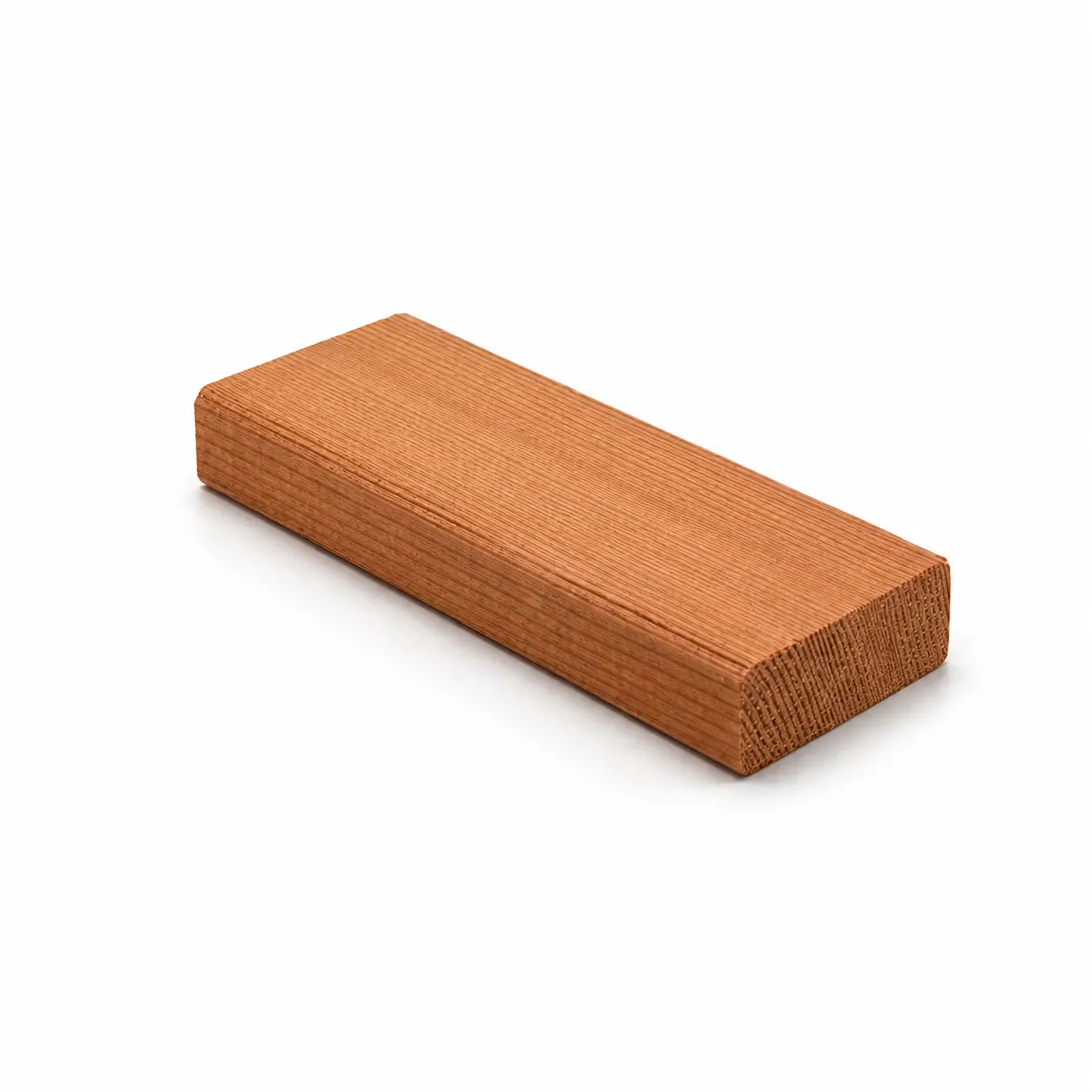
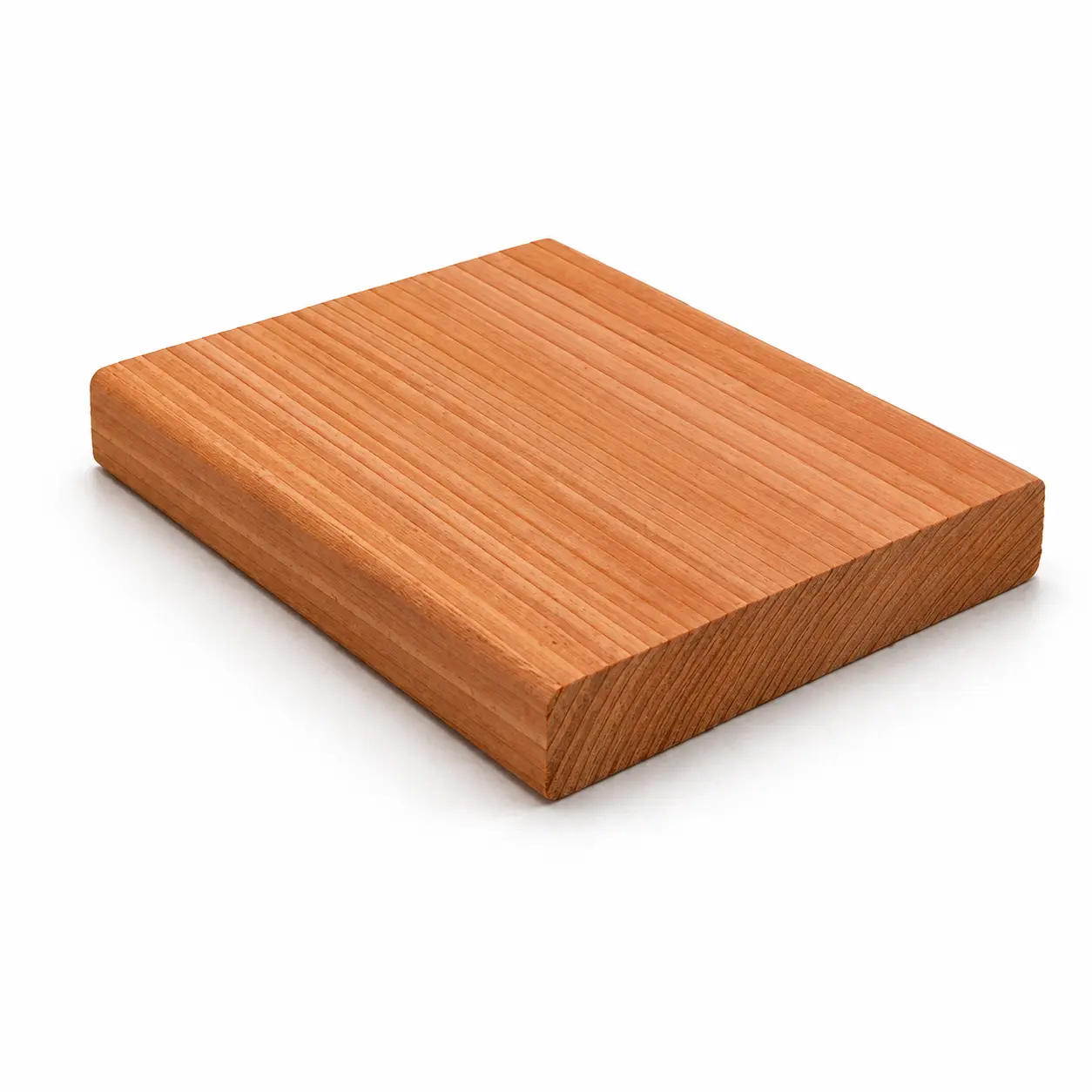
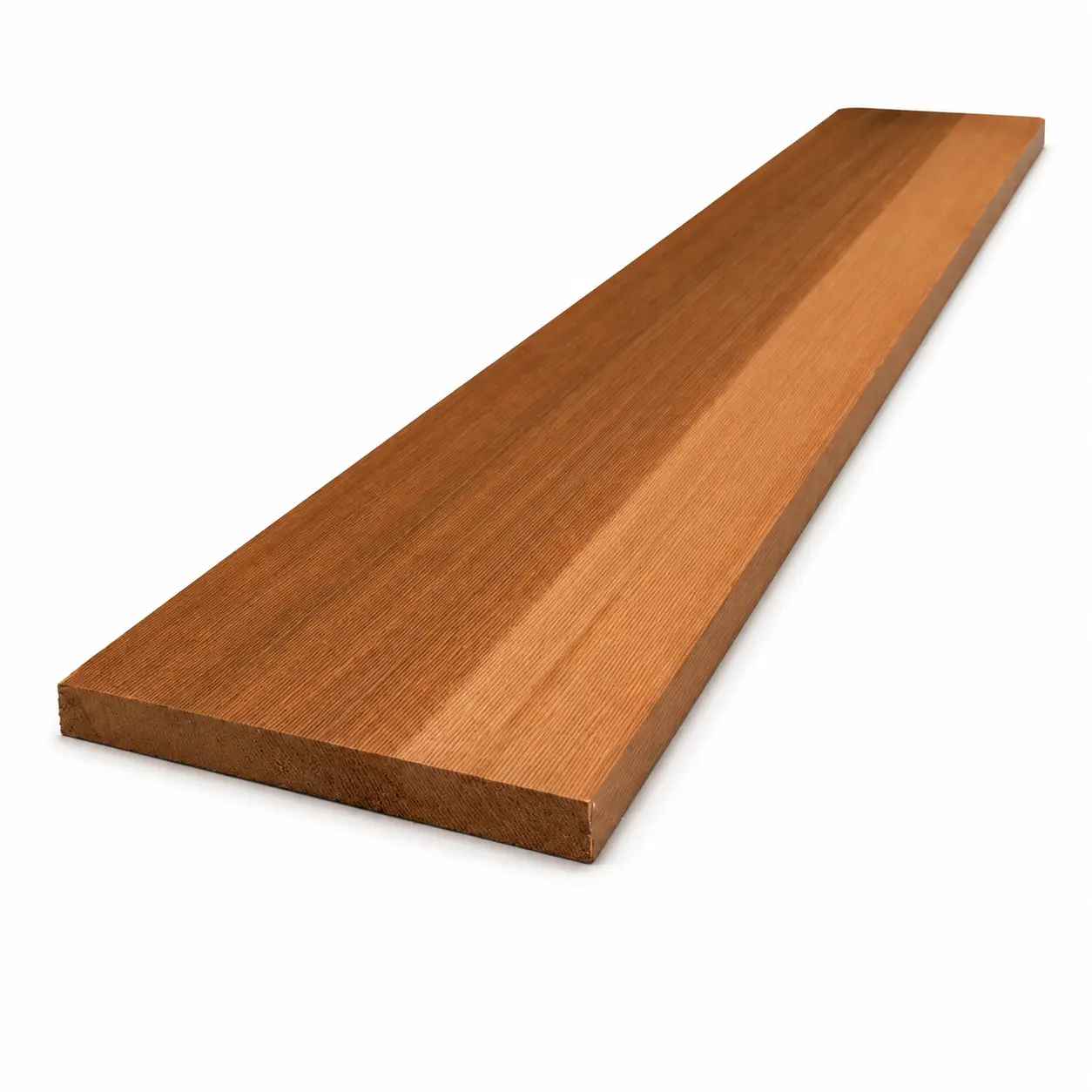
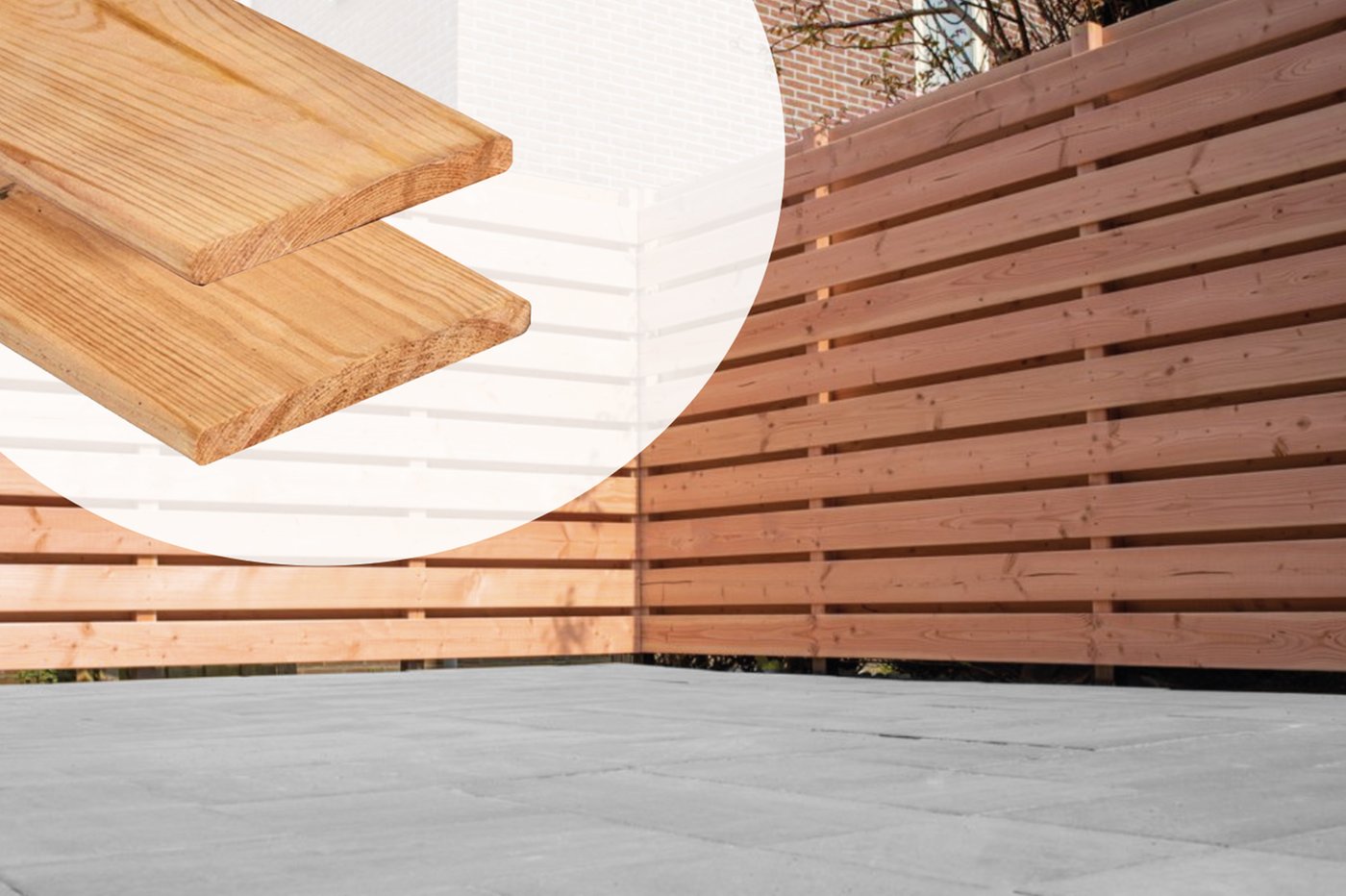
Timber slats are the planed boards used to build contemporary slatted fences, garden screens and outdoor feature walls. We stock them in Western Red Cedar, larch, Ecowood and factory finished MicroShades, mostly in 44×18 mm and 94×18 mm sections, with wider cedar and Ecowood boards for a bolder, more solid screen. Every species is stocked in our warehouse and delivered across Ireland.
Sort by




Showing 1-11 of 11 results
Timber Slats for Fencing in Ireland
A slatted fence is built on site from individual timber slats fixed to posts or a frame, rather than hung as ready-made panels. That gives you control over everything: the direction of the slats, the width of the gaps, the height of the fence and the length of each run. It is how contemporary slatted fencing, privacy screens and garden feature walls are made.
All our timber slats have an ease edge profile, meaning the long edges are slightly rounded so the boards look crisp, feel smooth and shed water. They work vertically or horizontally, and the same slats are used for cladding feature walls and screening bin stores or oil tanks.
Types of timber slats
The species decides how the fence looks, how it weathers and how much upkeep it needs. Here is how the four ranges compare.
Cedar slats
Western Red Cedar graded Clear Heart Vertical Grain, the highest commercial grade, with straight grain and very few knots. It is Durability Class 2, naturally resistant to rot without chemical treatment, and very light at around 380 kg/m³. Cedar slats come in the widest choice of sizes, 44×18, 94×18, 144×18 and 194×18 mm, and are best for a high end fence with the finest finish.
Larch slats
Larch is a dense softwood, around 590 kg/m³, with a warm reddish-brown tone and natural resin. It is Durability Class 3 with a service life of 20 years and beyond, well ahead of pine or spruce. Larch slats come in 44×18 mm and 94×18 mm, and are best for contemporary horizontal screens and garden room surrounds.
Ecowood slats
Ecowood is our own kiln-dried softwood, stable and consistent, in a warm honey-brown tone. Ecowood slats come in 44×18 mm and 94×18 mm, plus a wide 140×16 mm board, and are the value choice for long runs.
MicroShades slats
MicroShades is a treated softwood finished in the factory, with a service life of 20 years and beyond. MicroShades slats come in 44×18 mm and 94×18 mm, and are best when you want the screen to go up looking finished, with no treatment on site.
Timber slat sizes explained
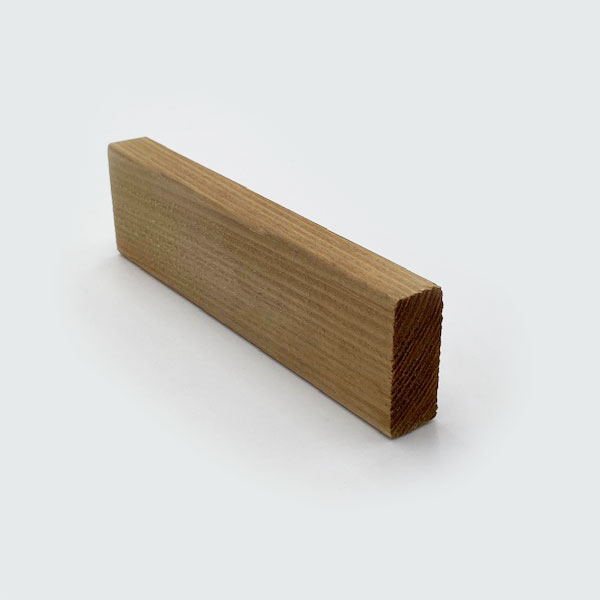
Slats are still often ordered by their old imperial name, so a “2×1” is roughly 2 inches by 1 inch. What you receive is the finished size in millimetres. Pick the width by the look you want:
- 2×1 (44×18 mm): narrow slats for a fine, contemporary screen with lots of shadow lines. Available in every species.
- 4×1 (94×18 mm): the all-round fence slat, quicker to put up and more private. Available in every species.
- 6×1 (140×16 mm Ecowood, 144×18 mm cedar): wide boards for a bolder, more solid look.
- 8×1 (194×18 mm cedar): the widest board, for near solid screening.
Mixing widths, such as alternating 44 mm and 94 mm slats, is an easy way to give a fence a designed look. Choose the length on the product page; longer boards mean fewer joints on long runs.
How much do timber slats cost?
The cost of a slatted fence depends on the species, the slat width, the length and the size of the gaps. Compare options by cost per metre of slat or by the area of fence covered rather than per length, because a 94 mm slat covers more than twice the face of a 44 mm one. Wider gaps use fewer slats. The calculator on each product page works out how many you need, and the cart adds the matching fixings for you.
Timber slats vs fence panels
Slats take longer to put up than panels but give a far better finish and total design freedom. If you would rather hang a ready-made fence, our timber fence panels drop straight between posts, and composite fencing gives a slatted look with no oiling at all. For cladding walls and building frames with the same timbers, see our outdoor timber battens.
Building a slatted fence
A slatted fence is only as straight as the frame behind it. The basic steps:
- Set strong posts in concrete or on post bases, square and plumb. Our posts and beams suit the job.
- For horizontal slats, fix directly to the posts. For vertical slats, add horizontal rails between the posts first.
- Use a spacer block to keep every gap the same, and check the first slat is dead level.
- Fix with stainless steel screws, two per fixing point, and pre-drill near the ends. Cedar reacts with ordinary steel and stains black.
Looking after timber slats
Cedar and larch don’t need treating to last, but left bare they weather to silver grey within a year or two. Most people oil them within the first few months to keep the colour, then refresh every year or two. Ecowood benefits from the same routine, and MicroShades needs a refresh coat every two or three years to keep its colour deep. You will find the right products in our exterior oils and stains.
Timber slats sit alongside our full range of fence panels, stocked in our warehouse and delivered across Ireland.
Frequently Asked Questions About Timber Slats
What wood should I use for a slatted fence?
It depends on the look and the upkeep you want. Cedar is naturally durable and needs no chemical treatment, larch is a dense, weather resistant softwood, Ecowood is our stable, value option, and MicroShades arrives factory finished so there is nothing to do on site. All four are sold in the same 44×18 mm and 94×18 mm sections.
What sizes do fencing slats come in?
Most species come in 44×18 mm and 94×18 mm, with cedar also in 144×18 mm and 194×18 mm and Ecowood in 140×16 mm. Choose the length on the product page; longer slats mean fewer joints on long runs.
What fixings should I use for timber slats?
Use stainless steel fixings for all our slats and pre-drill near the ends to prevent splitting. For cedar this matters most, as galvanised or mild steel reacts with its natural tannins and leaves dark streaks.
How much do timber slats cost?
The price depends on the species, the width and the length. Compare slats by cost per metre or by the area of fence they cover rather than per length, because a 94 mm slat covers more than twice the face of a 44 mm one. Wider gaps use fewer slats, so the spacing you choose also changes the total.