
Length
Width
Thickness
Colour Tone
Profile
Material
Fire Rating
Range
Species
Wood Type
Warranty
Moisture Content
Edge Banding
Edge banding is the strip glued over a cut MFC, MDF or chipboard edge to seal the core against moisture and knocks and give the panel a finished look. Our edge banding is 0.8 mm ABS on 23 mm wide, 75 m rolls, sized to cover an 18 mm board, and each roll is colour and texture matched to an Egger MFC décor. Choose the roll with the same décor name and code as your board, stocked in our warehouse and delivered across Ireland.
Sort by
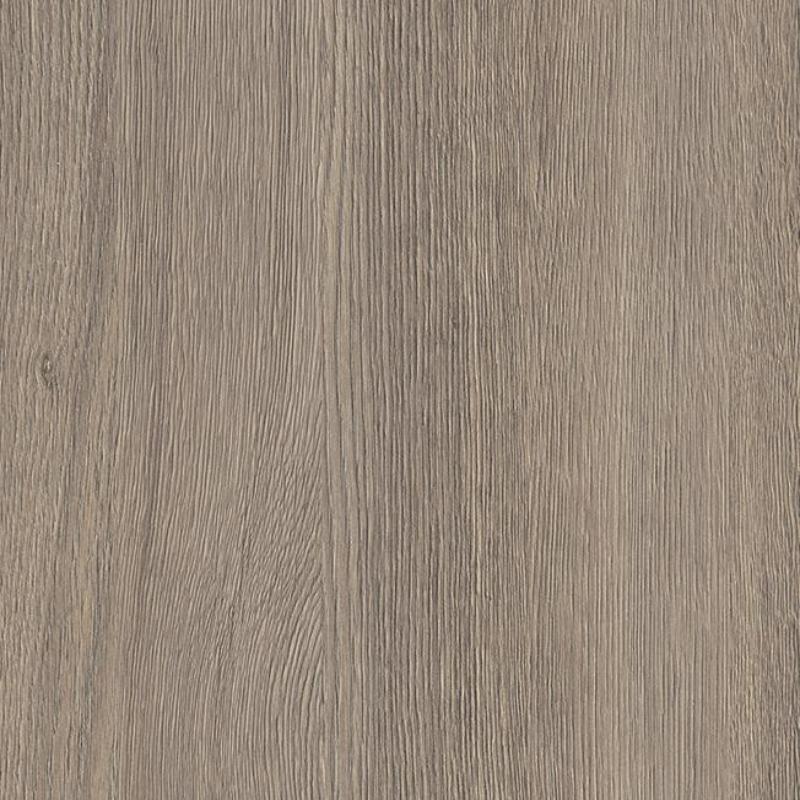
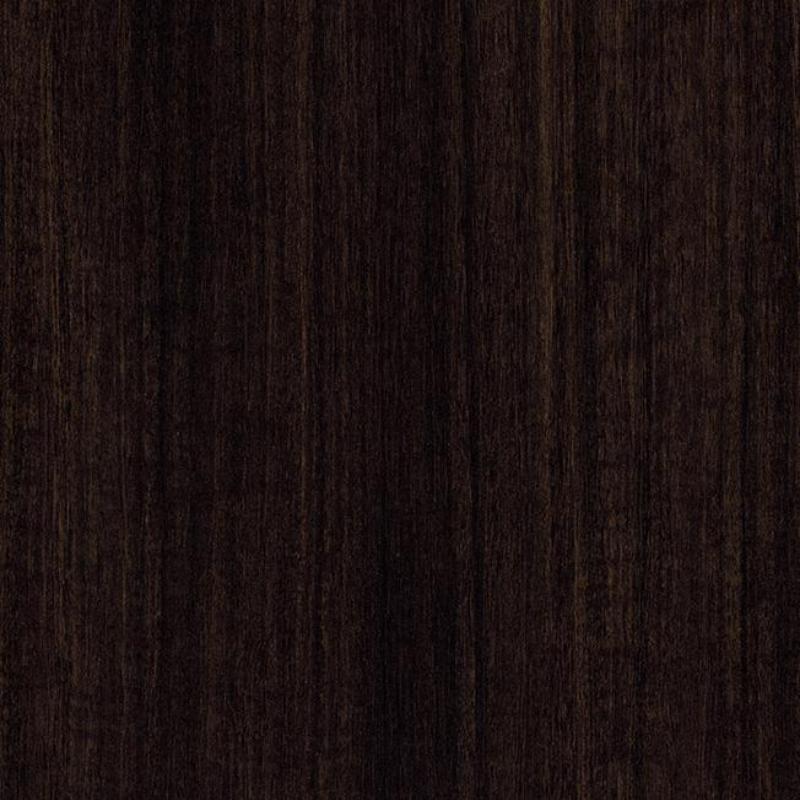


Showing 1-12 of 119 results
Edge banding for MFC boards
Every time you cut a melamine faced chipboard (MFC) panel, you expose the raw core along the cut. Edge banding is the thin strip glued over that edge to seal it against moisture and knocks, and to finish it so a carcass, door or shelf looks made rather than cut. Our edge banding is ABS, a tough plastic, and every roll is colour and texture matched to an Egger décor, so the edge and the face of your panel come from the same design.
If you are building kitchen units, wardrobes, office furniture or shop fittings from Egger MFC, this is the edging that makes the finished piece look factory made.
Edge banding sizes
Every roll in the range is the same size, which keeps choosing simple: you pick by décor, not by dimension. The 23 mm width covers the edge of a standard 18 mm board with a small margin on each side to trim flush. At 0.8 mm thick it is tough enough to take the knocks that chip a cabinet edge, yet thin enough to trim cleanly and follow the board. Each roll is 75 m long, so one décor covers the edges of many panels before you need another.
Choosing the right décor and texture
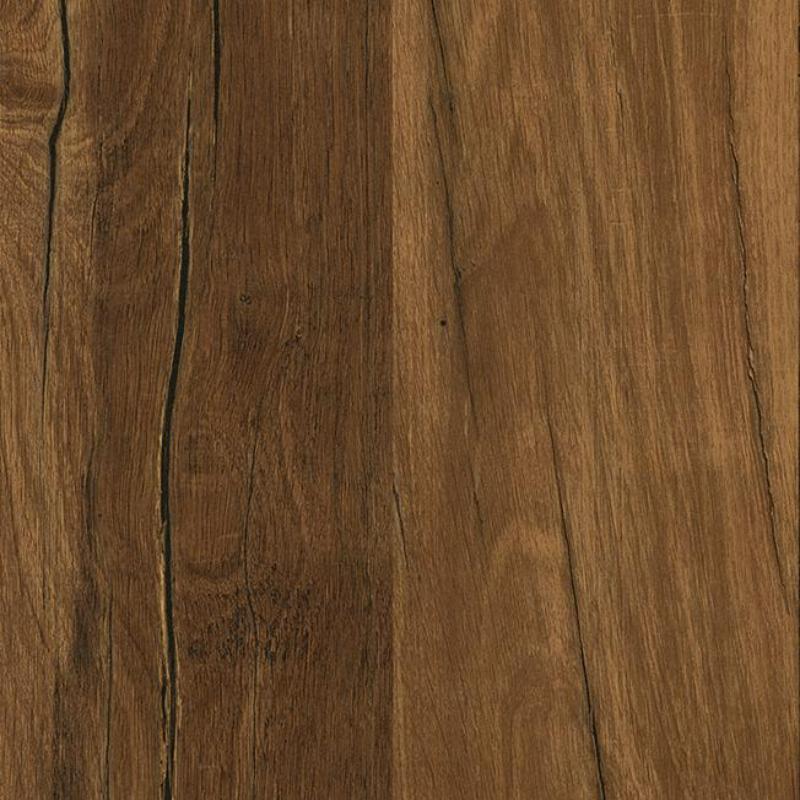
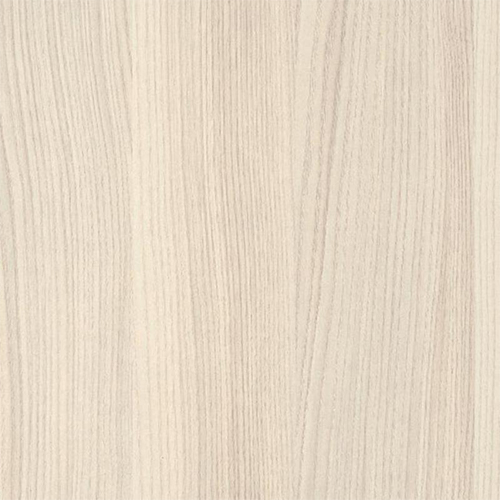
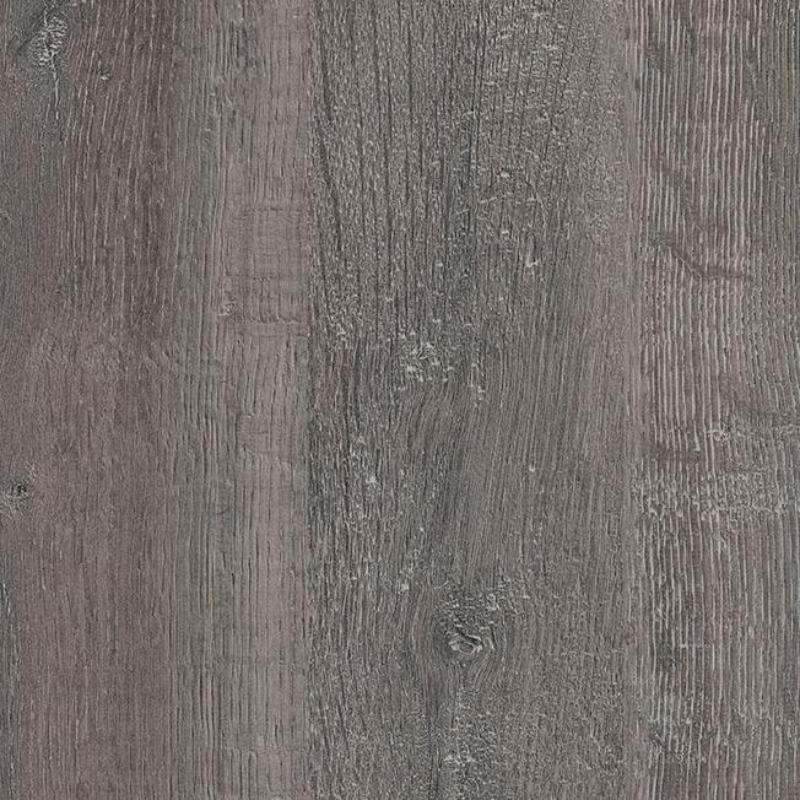
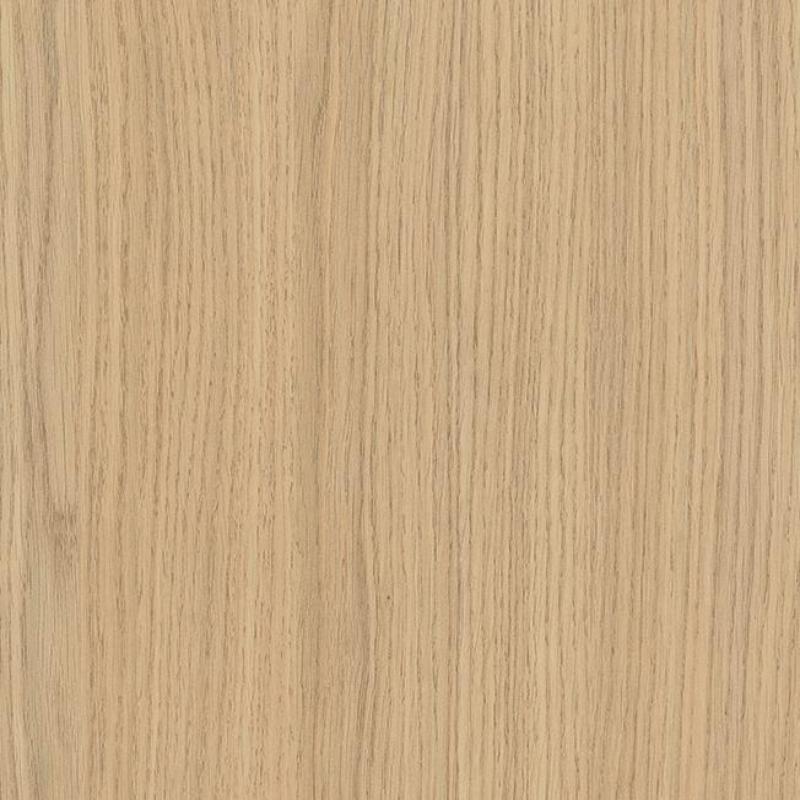
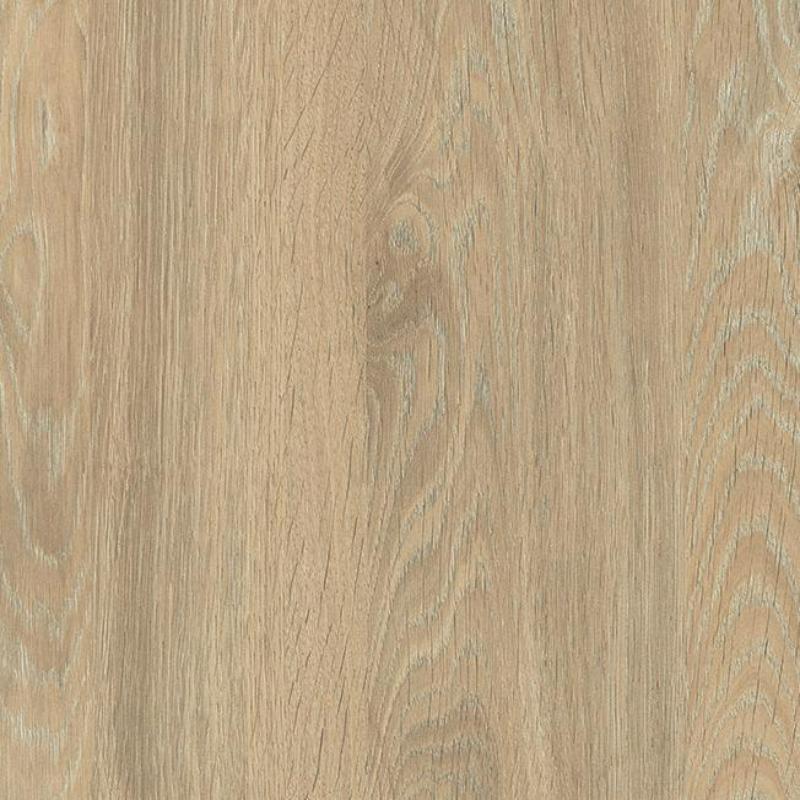
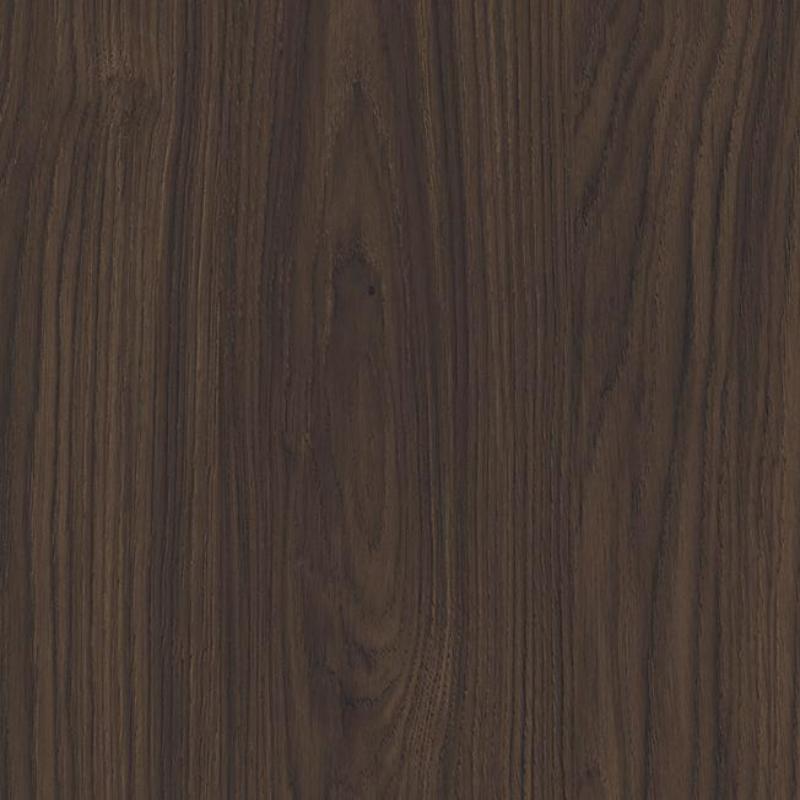
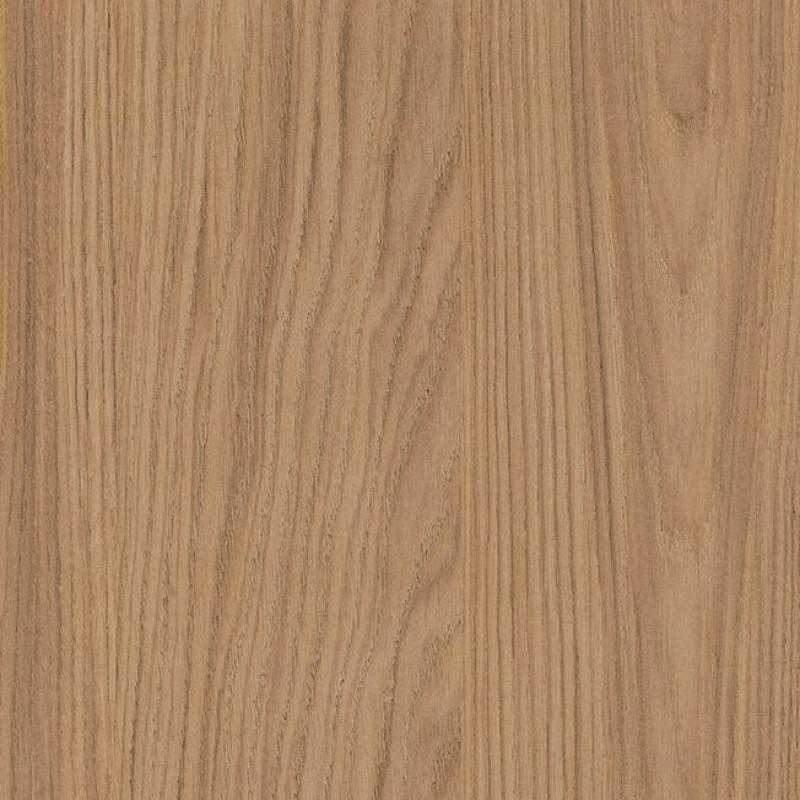
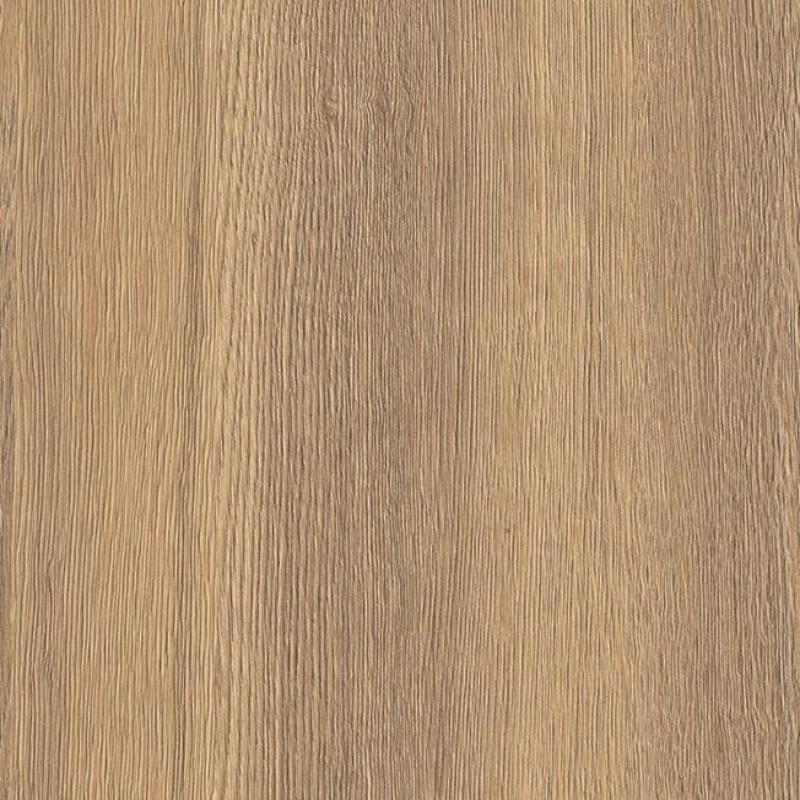
Each roll carries the same décor name and texture code as the board it matches, for example Norwich Oak ST19 or Pebble Grey ST9. Match both parts. The décor name sets the colour or woodgrain, and the ST code sets the surface texture, so an edge in the right colour but the wrong texture catches the light differently from the face beside it.
- Woodgrain décors: oaks, walnuts, ashes and acacia, from pale bleached oak through to dark tobacco tones.
- Plain colours: whites, greys, beiges, greens, blues and reds for painted look kitchens and furniture.
- Textured finishes: textile effect décors, matched in texture as well as colour.
Browse every décor in our ABS edging range and pick the roll with the same name and code as your board.
Why ABS edging
ABS is tougher and more impact resistant than melamine edging, so it shrugs off the knocks that chip a cabinet edge over time. It is also more forgiving under a trimmer, which means a cleaner, more even finish whether you are working on a machine or by hand. And because it is free of PVC, it suits specifications that now exclude PVC edging.
How to apply edge banding
Edge banding goes on after the panel is cut to size and before the piece is assembled. The steps are the same whatever décor you are using:
- Prepare the edge: make sure the cut edge is clean, square and free of dust.
- Glue it: run it through an edgebander using hot melt or PUR adhesive, or use a contact adhesive for smaller runs.
- Trim it: cut the overhang flush with the face on both sides and at the ends.
- Finish it: ease the trimmed corners so the edge is smooth to the touch.
Order the edging with your boards so the décor codes match from the start. The calculator on the board page works out how many sheets you need, and adding up the length of every visible edge tells you whether one 75 m roll is enough.
Edge banding in Dublin and across Ireland
All of our edge banding is stocked in our Dublin warehouse alongside the matching MFC boards, so the board and the edging arrive together. Every roll is delivered across Ireland. For the boards themselves, from MFC to MDF and plywood, see our full range of sheet materials.
Frequently Asked Questions About Edge Banding
What is edge banding for?
Every cut through an MFC, MDF or chipboard panel exposes the raw core. Edge banding seals that core against moisture and knocks, and finishes the edge so a carcass or worktop looks made rather than cut.
Do you sell PVC edging?
Our edging is ABS rather than PVC. ABS is tougher than melamine edging, more forgiving under a trimmer, and free of the PVC that many specifications now exclude, which also makes it the more environmentally sound choice.
Which boards does your edging match?
Our ABS edging is colour and texture matched to the Egger MFC décors we carry, so the edge and the face come from the same décor. Pick the roll with the same décor name and texture code as your board.
Can I use edge banding on plywood?
Our ABS rolls are made to match melamine faced board. Birch plywood edges are usually sanded and finished as a feature in their own right, while veneered boards are edged with a matching timber tape or a solid lipping.
How much edge banding do I need?
Add up the length of every edge that will be seen on your finished pieces, including shelf fronts, door edges and the exposed edges of carcass panels, then allow a little extra for trimming at the ends. Each roll is 75 m long, so most projects need one roll per décor. The calculator on the board page works out the sheets.
What thickness of board does your edge banding fit?
Our rolls are 23 mm wide, which covers the edge of a standard 18 mm board with a small margin on each side. You glue it on slightly proud of both faces and trim the overhang flush, which gives a clean, square edge that matches the face décor.