
Length
Width
Thickness
Colour Tone
Profile
Material
Fire Rating
Range
Species
Wood Type
Warranty
Moisture Content
Coloured MDF Sheets
Coloured MDF is MDF with the pigment mixed into the fibre before pressing, so the colour runs through the full 19 mm rather than sitting on the surface. Cut, rout or drill it and the new edge comes out the same colour as the face, with no edging tape and no white line at a mitre. We carry eleven Valchromat colours, all moisture resistant, in 2440×1220 mm sheets, from greys and off white to ink blue, oxide red and mustard, stocked in our warehouse and delivered across Ireland.
Sort by
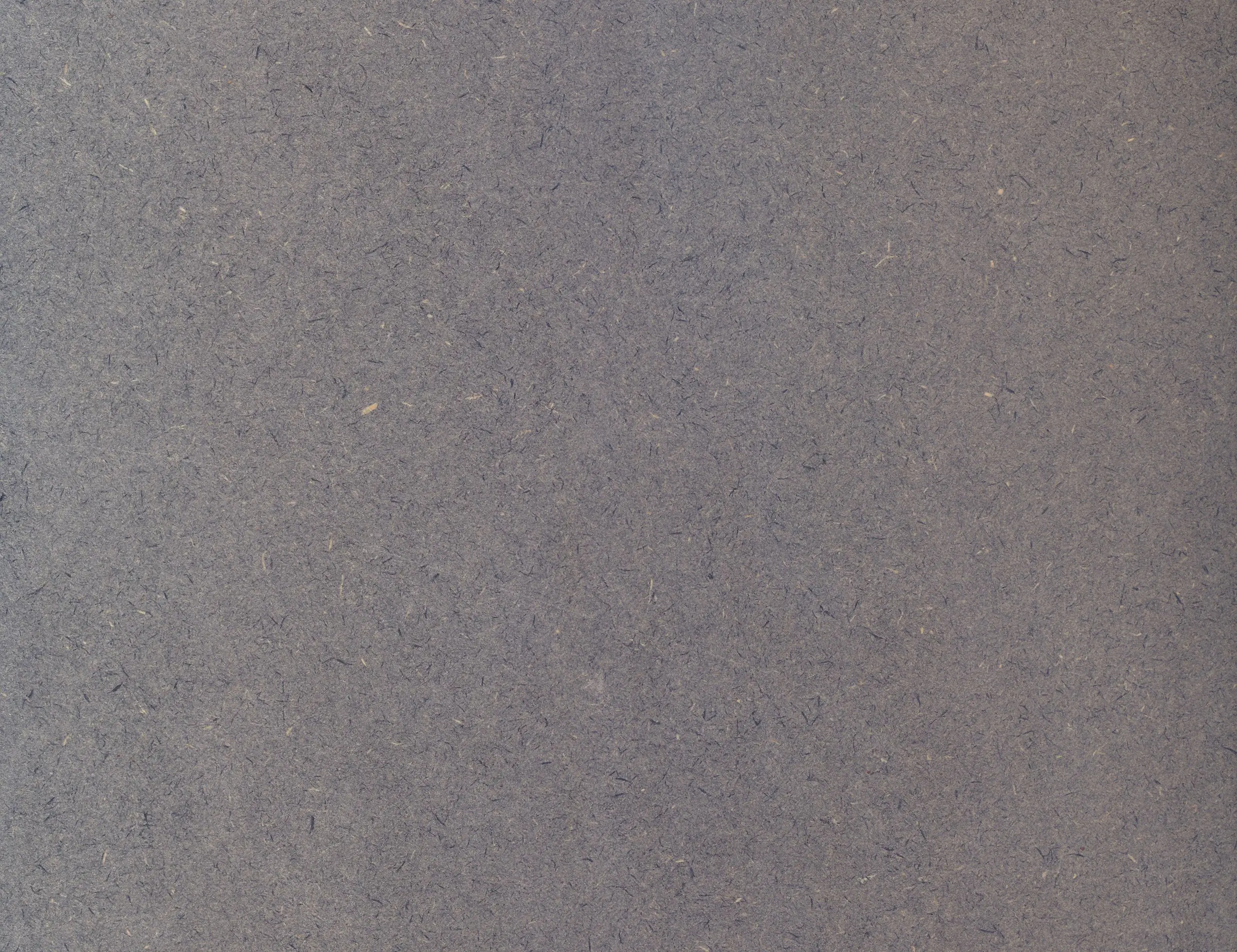
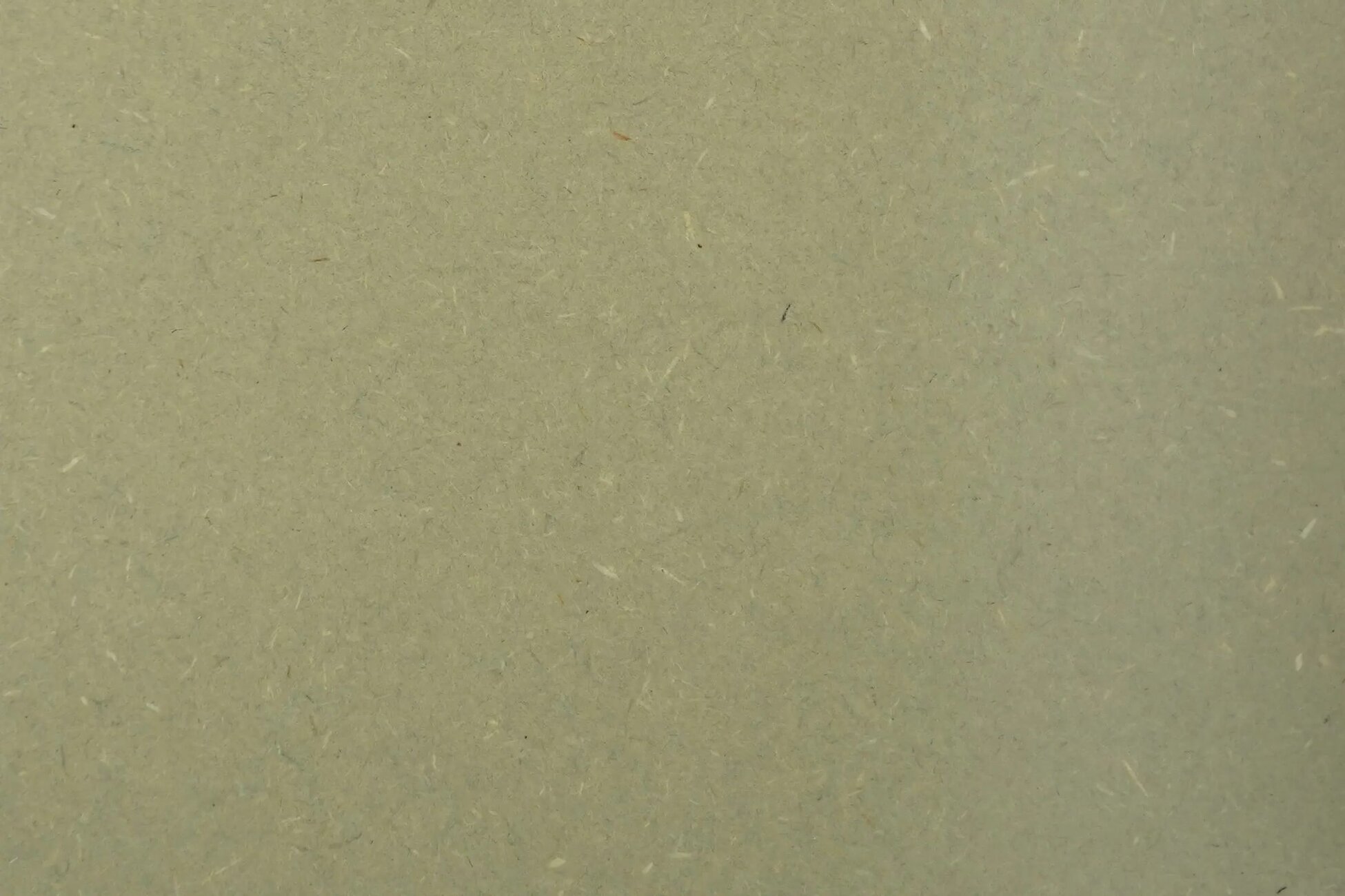
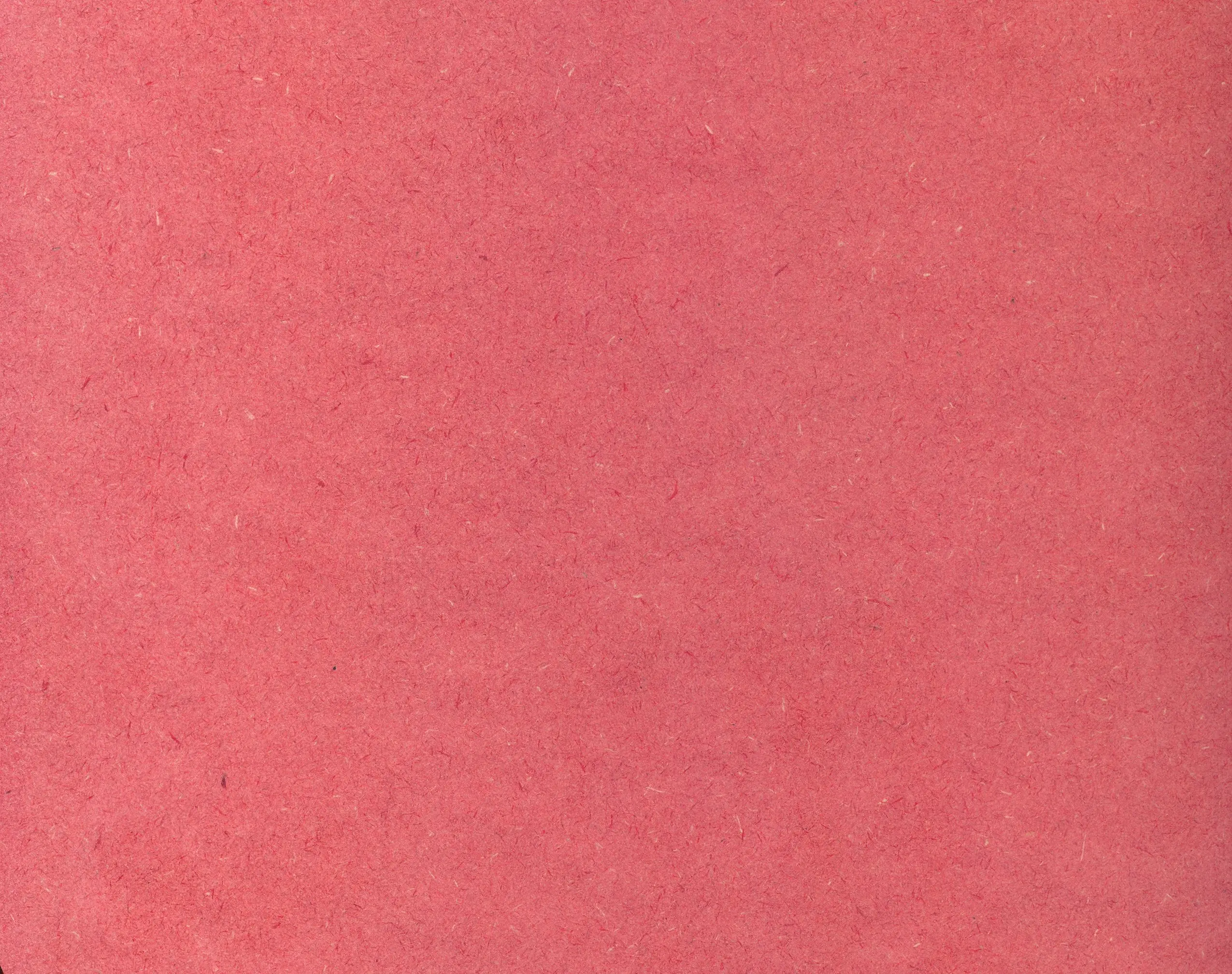
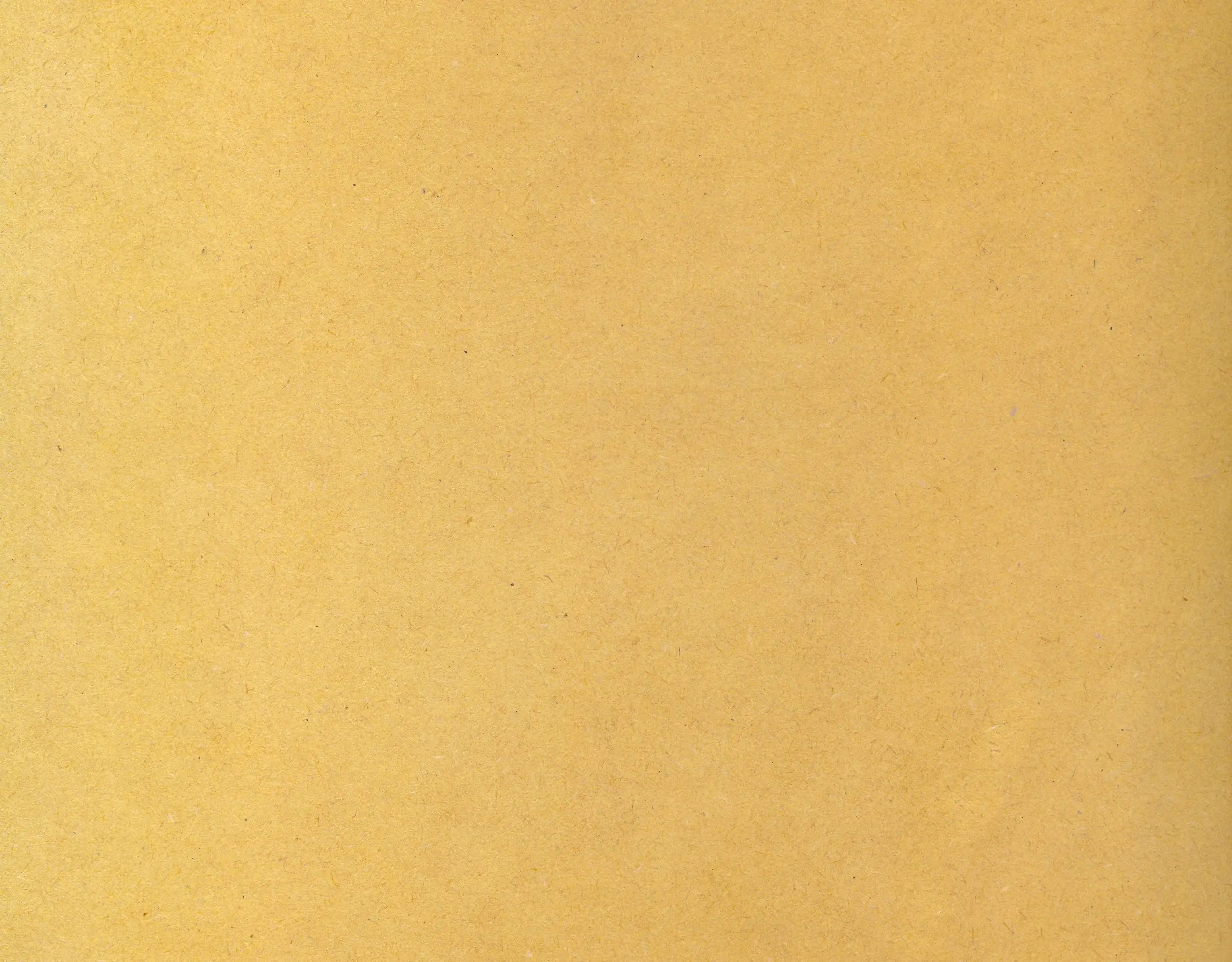


Showing 1-11 of 11 results
Why choose coloured MDF
Painted MDF looks right until something happens to it. A chip on a door edge shows white, a routed finger pull shows white inside, and a mitre that opens up by a hair shows a white line down its length. Coloured MDF has the pigment mixed into the fibre before the board is pressed, so the colour runs the full thickness. Saw it, rout it, drill it or chamfer it and the new surface comes out the same colour as the face.
It earns its money on anything where the edges are part of the design: shadow gaps, routed pulls, open shelving, exposed plinths and boxes without doors. It earns it again on joinery that gets handled hard, because a knock leaves a dent rather than a white mark, which is why shopfitters use it for counters and display units. It is the board to choose wherever an edge is on show, because it saves the edging, the primer and the touch ups that a painted board needs.
Valchromat colours
Everything here is Valchromat, made in Portugal in 19 mm sheets. The wood fibre stays visible in every colour, which is the reason a whole run of it reads as a material rather than as a painted panel, and it is also why none of these colours are flat. Expect variation between sheets and within a sheet. Lay the panels out and decide which face goes where before you cut anything, the way you would with veneer.
Neutral colours: grey, light grey, white and black
The neutrals do most of the work in a run of joinery, and they are where most people start. Each one reads differently once oiled, so judge them finished rather than bare.
- Grey: the mid tone and the most forgiving board in the range. It hides fingerprints and light scuffs, so it suits desks, workbench surrounds and drawers that get pulled open with dirty hands.
- Light grey: the quiet one, a backdrop for shelving and display where the contents are meant to be the point.
- White: a soft, warm off white rather than a sprayed brilliant white, so it sits well beside timber and plaster.
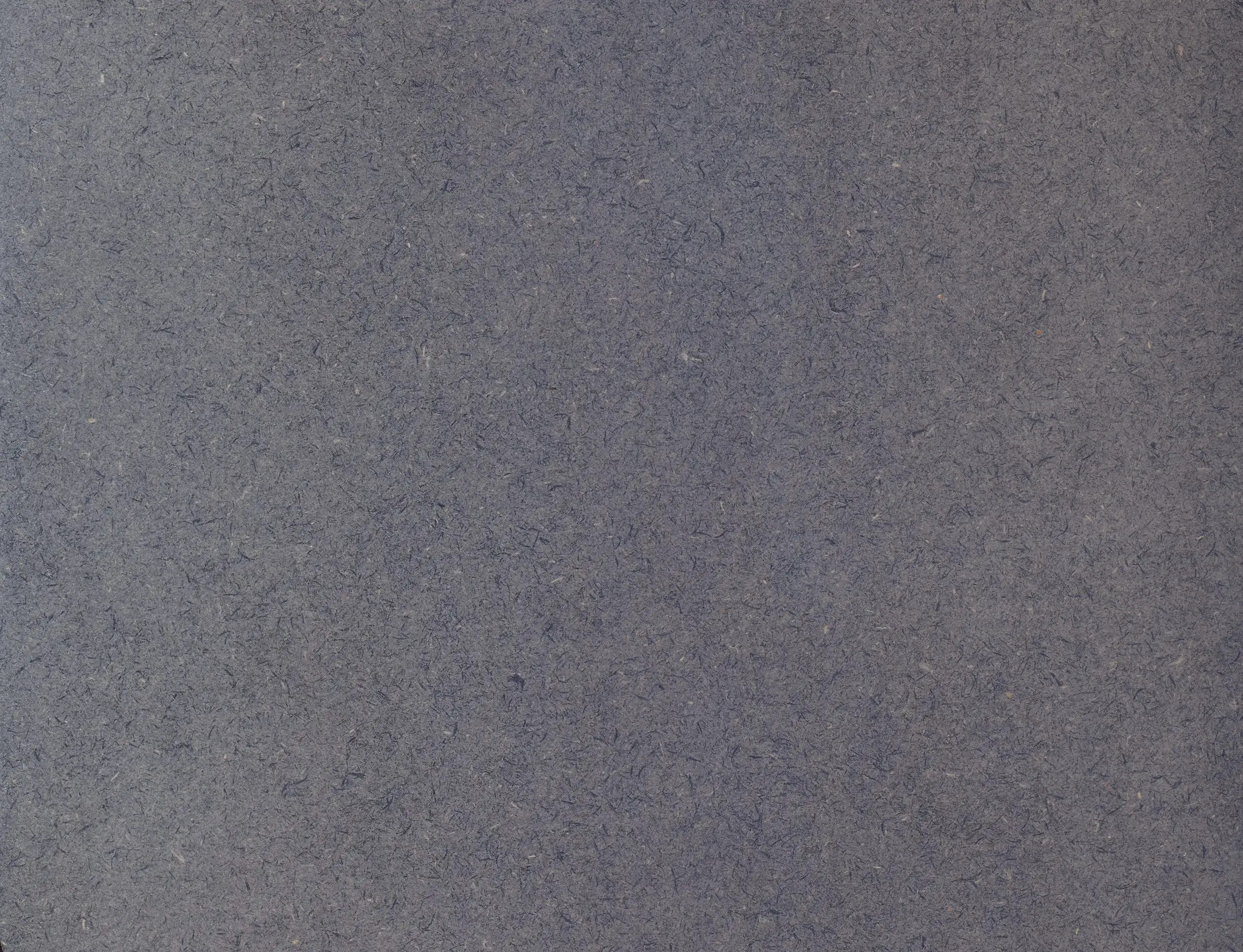
- Black Valchromat: the biggest seller, and the colour where a raw MDF edge would show most, which is why it is the first choice for shadow gaps and exposed edges.
Warm and cool colours
The stronger colours carry a feature wall, a run of drawer fronts, an island or a whole kitchen. Under oil they gain depth, so an offcut finished the way the job will be finished is the best guide.
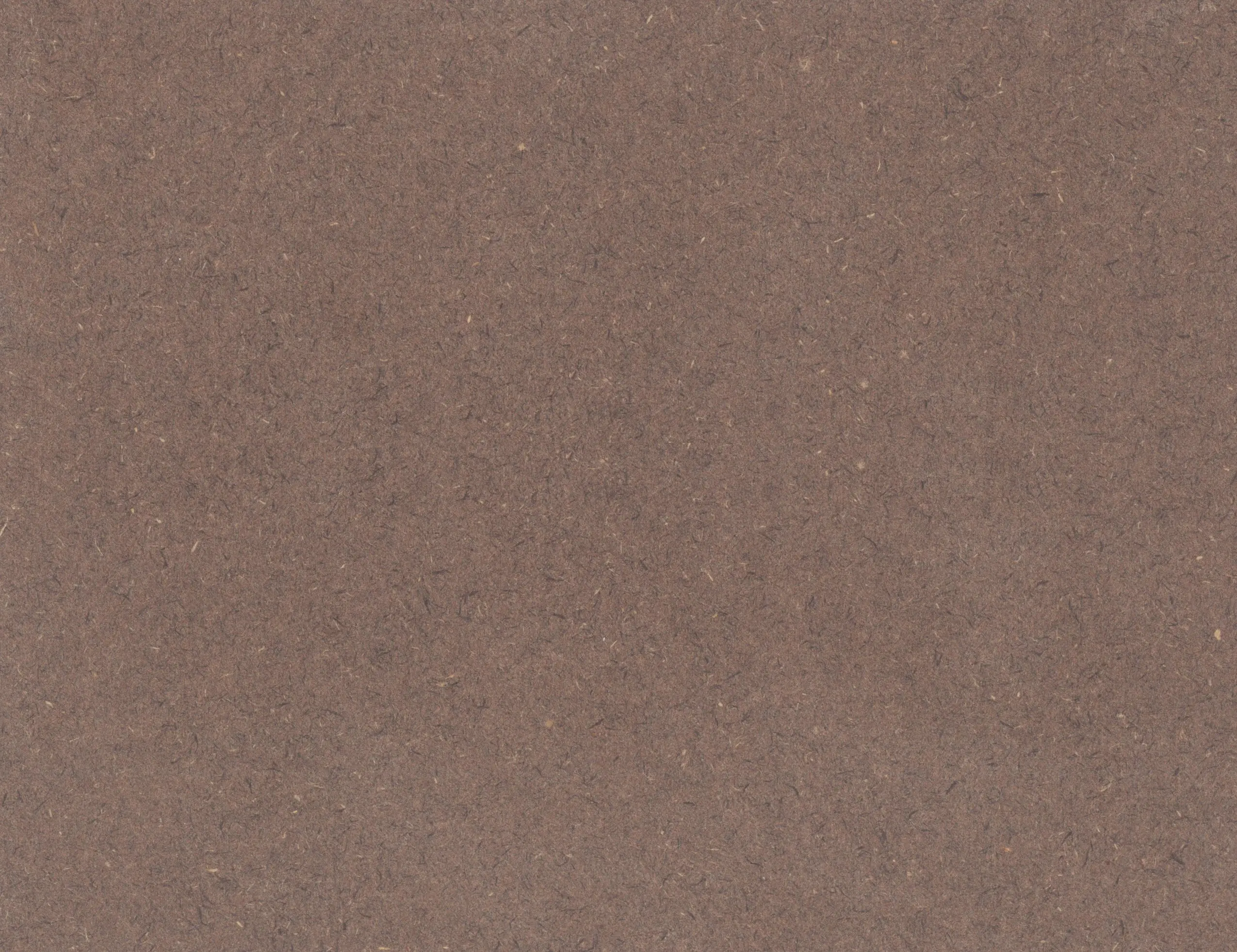
- Chocolate: what people choose when they want dark stained timber without the blotching; under oil it lands closer to walnut than to brown paint.
- Khaki: a muted olive that shifts with the light, greener by a window and browner under a lamp in the evening.
- Red: a deep oxide rather than a pillar box red, lovely as an accent or on the inside of a cabinet.
- Orange: burnt and earthy, a favourite for shopfitting and display work.
- Yellow: a warm mustard that throws a gentle glow onto a white wall beside it.
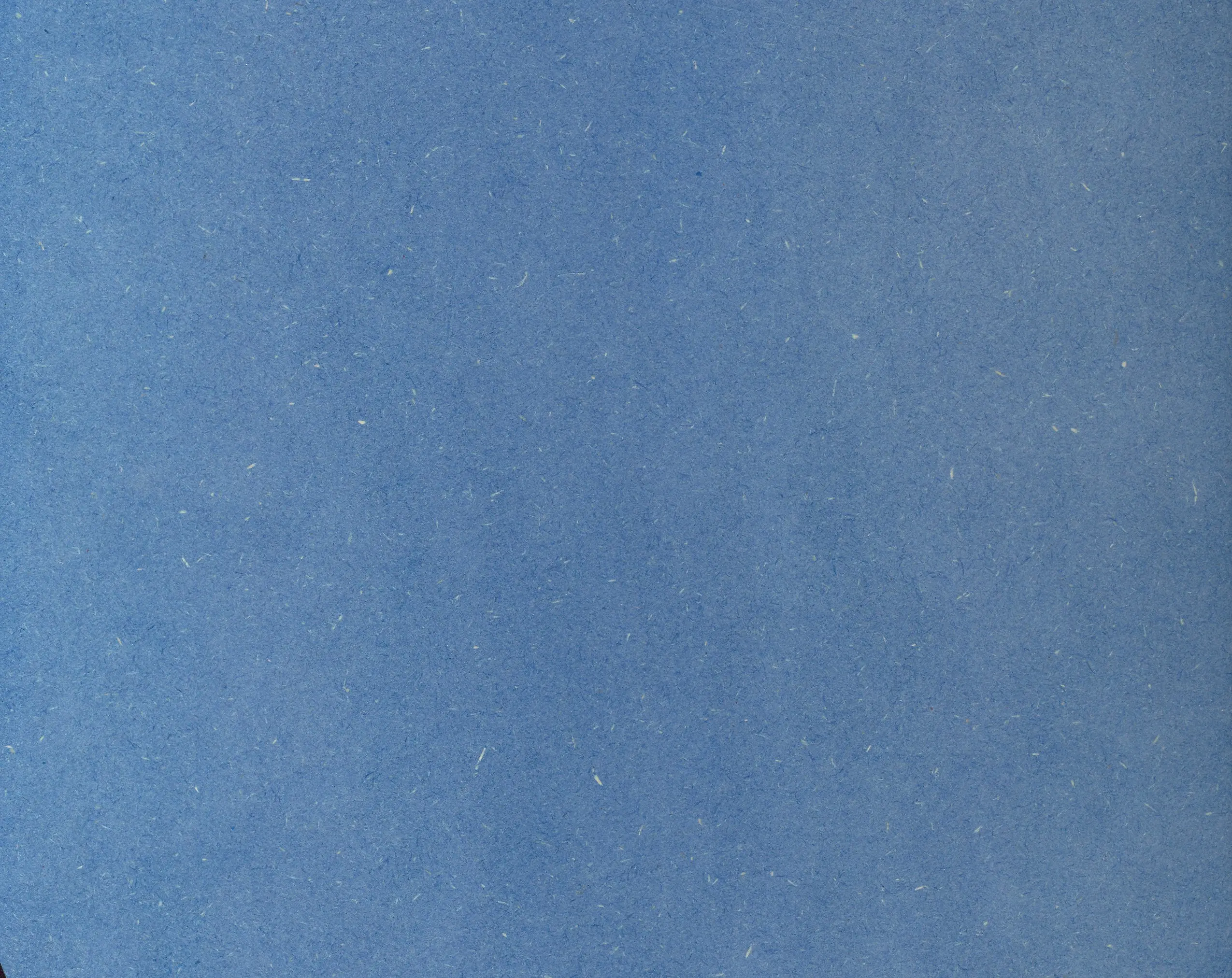
- Blue: a deep ink that goes close to navy once oiled, strong enough to carry a full kitchen or a wall of wardrobes.
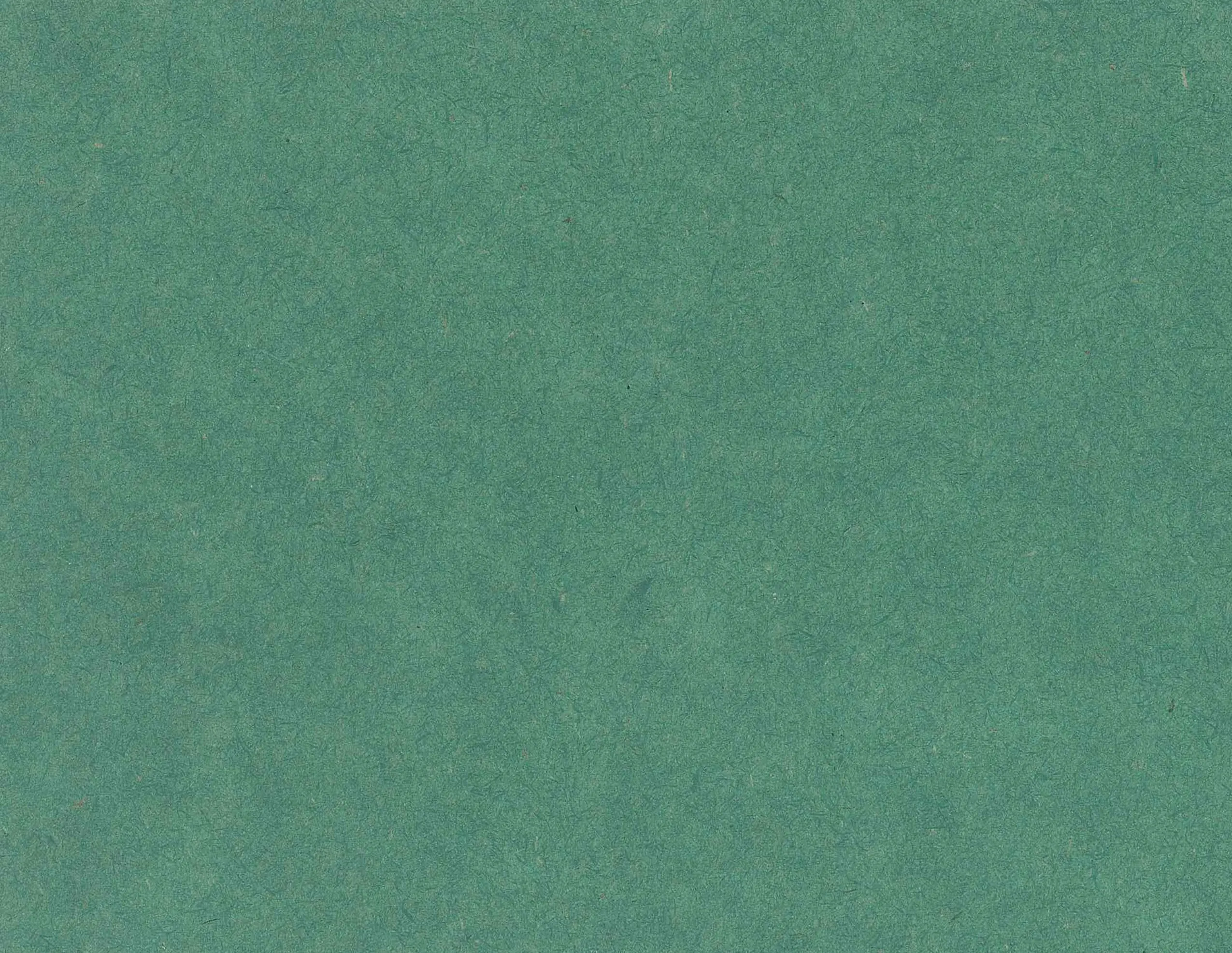
- Green mint: despite the name, a soft dusty sage that sits comfortably with oak, brass and white walls.
Coloured MDF sheet size and grade
Every colour comes in the same board, which keeps planning simple: pick the colour for the look and the quantity for the job. At 19 mm it is the cabinet and shelving thickness, stiff enough for carcasses, doors and open shelves, and deep enough for a routed finger pull. The sheet is the standard 2440×1220 mm, the 8×4 foot sheet, so cutting lists and panel saws work exactly as they do with other boards. Every colour is also a moisture resistant grade, so it copes with the humidity of kitchens, bathrooms and utility rooms.
A sheet weighs 48 kg, which makes it a two person lift, so plan the route in before the delivery arrives rather than after.
How much does coloured MDF cost?
The price of a coloured MDF sheet is driven by what makes it useful: pigment through the full 19 mm, a denser board than standard MDF and a moisture resistant grade. The fair way to compare it is the cost of the finished job rather than the cost per sheet. A painted board needs edging or filler on every exposed edge, a primer and two top coats, and touch ups after every knock. Coloured MDF needs a light sand and two coats of oil. All eleven colours are the same size and grade, so use the calculator on the product page to work out how many sheets you need, and the cart adds the matching extras automatically.
Coloured MDF vs painted and veneered MDF
Coloured MDF is one of several ways to get a finished face on a board. Standard MDF is the board to paint when every edge will be hidden or lipped, and moisture resistant MDF is its painted equivalent for kitchens and bathrooms. Veneered MDF gives you a real timber face, and MFC gives a hard melamine face in a wide range of decors, but both need edge banding on every cut. Coloured MDF is the only one of these where the edge is the finish, which is why designers pick it for open shelving, routed pulls and shadow gaps.
Judge the colour oiled, never bare
This catches people out more than anything else about the material. Straight off the sheet every board in the range looks chalky and pale, several shades away from where it ends up. Oil is what brings the colour up, and on some of these the change is dramatic: red goes from dry terracotta to a deep saturated red, khaki goes from washed out grey to olive, and chocolate gains most of its depth. Finish an offcut the way the job will be finished and look at it in the room it is going into, in that room’s light, before you commit to eleven sheets.
Hardwax oil is the usual choice, and two coats is right for anything that gets touched, three where hands land every day. Most hardwax oils carry a slight amber, which matters on the pale and cool colours: it pushes white towards cream and green mint towards olive. A clear or white pigmented finish keeps them where they are. Coat the edges at the same time as the faces, or a plinth ends up lighter along its top than down its front.
Cutting, drilling and handling
The board is a good deal denser than standard MDF, and that cuts both ways. It saws crisply without furring and a router leaves a profile sharp enough to be the detail on the front of a drawer, which is what lets you leave edges exposed in the first place. It also takes the edge off a blade faster than you expect, so keep a sharp fine toothed blade for the cuts that will show and an older one for the rest.
Support the sheet along the cut rather than only at the ends, because a panel this heavy drops into the blade as it comes apart. Keep the good face upwards and put a scrap board underneath wherever the underside will be seen. The tinted dust is the one real nuisance: red will mark a grout line, blue gets walked into a carpet and white shows on a dark floor. Cut with extraction or work outside, wear a P2 or P3 mask, and sweep as you go rather than at the end of the day.
The density holds a screw better than ordinary MDF does, which is worth knowing for hinges and for any piece that has to come apart again for a move. Pilot anything within about 25 mm of an edge all the same, because a chip lifted off a corner here is the full colour and very visible.
Where coloured MDF works best
Every board in this range is moisture resistant, so it takes the humidity of a kitchen, a bathroom or a utility room without swelling. It is made for interiors, so keep it out of shower enclosures, off surfaces that stay wet and away from outdoor work, including covered porches. For exterior joinery and wet areas, Tricoya MDF is the board to look at.
Strong colour over a large area reads differently from a small sample, so lay a few oiled offcuts out in the room first. Many customers use the bold colours for a run of drawer fronts, an island or the inside of a cabinet, and let grey, black or white carry the larger areas. Either way, the same board and the same finish run through the whole job.
Coloured MDF in Dublin and across Ireland
All eleven Valchromat colours are stocked in our Dublin warehouse in 19 mm, 2440×1220 mm sheets, ready for collection or delivery across Ireland. Order a single sheet to test a colour under oil, then use the calculator on the product page for the rest of the job. Standard, moisture resistant, fire retardant and veneered boards are all on the main MDF boards page.
Frequently Asked Questions About Coloured MDF Sheets
What colours does Valchromat come in?
We carry eleven Valchromat colours: grey, light grey, white, black, chocolate, khaki, red, orange, yellow, blue and green mint. The white is a soft warm off white, and the red is a deep oxide rather than a bright red.
What is Valchromat?
Valchromat is coloured MDF made in Portugal, with the pigment mixed into the fibre before pressing so the colour runs through the full 19 mm. A saw cut, routed pull or chamfer comes out the same colour as the face.
Do I need edging on coloured MDF?
No. Because the colour runs right through the board, a cut edge shows the same colour as the face, so there is no edge band to apply or to lift later. An exposed edge can go straight to sanding and oiling.
Is Valchromat moisture resistant?
Yes, every board in the range is moisture resistant, so it copes with the humidity of a kitchen, bathroom or utility room. It is not waterproof, so keep it out of showers, off surfaces that stay wet and away from outdoor use.
How do I finish coloured MDF?
Hardwax oil is the usual choice: two coats for anything touched, three where hands land every day. The colour deepens a lot once oiled, so judge an oiled offcut rather than the bare sheet, and note that an amber oil warms the pale colours.
What size are Valchromat sheets?
All eleven colours come in 19 mm, in 2440×1220 mm sheets. A sheet weighs 48 kg, so plan on two people to carry it.