
Length
Width
Thickness
Colour Tone
Profile
Material
Fire Rating
Range
Species
Wood Type
Warranty
Moisture Content
Fence Panel Capping
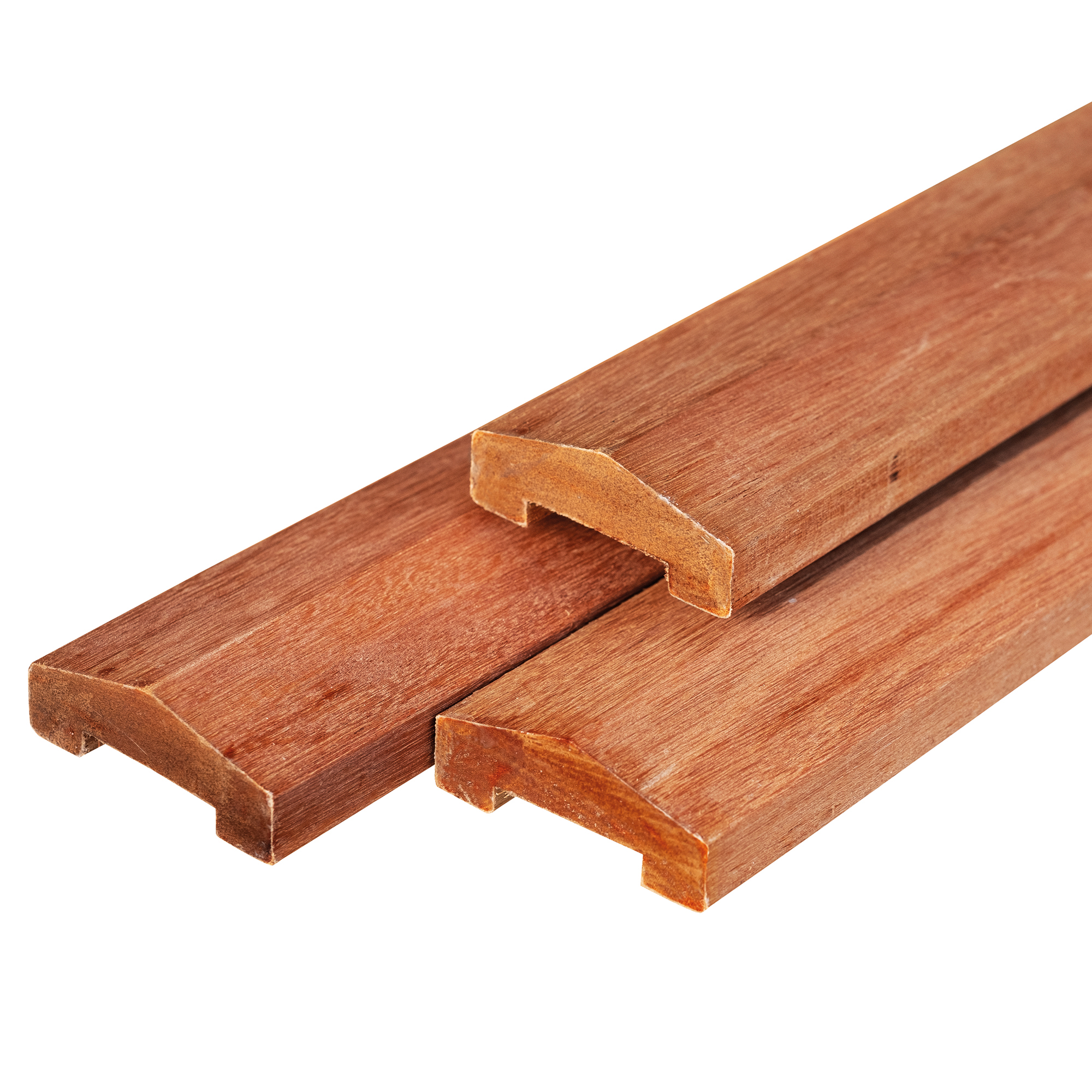
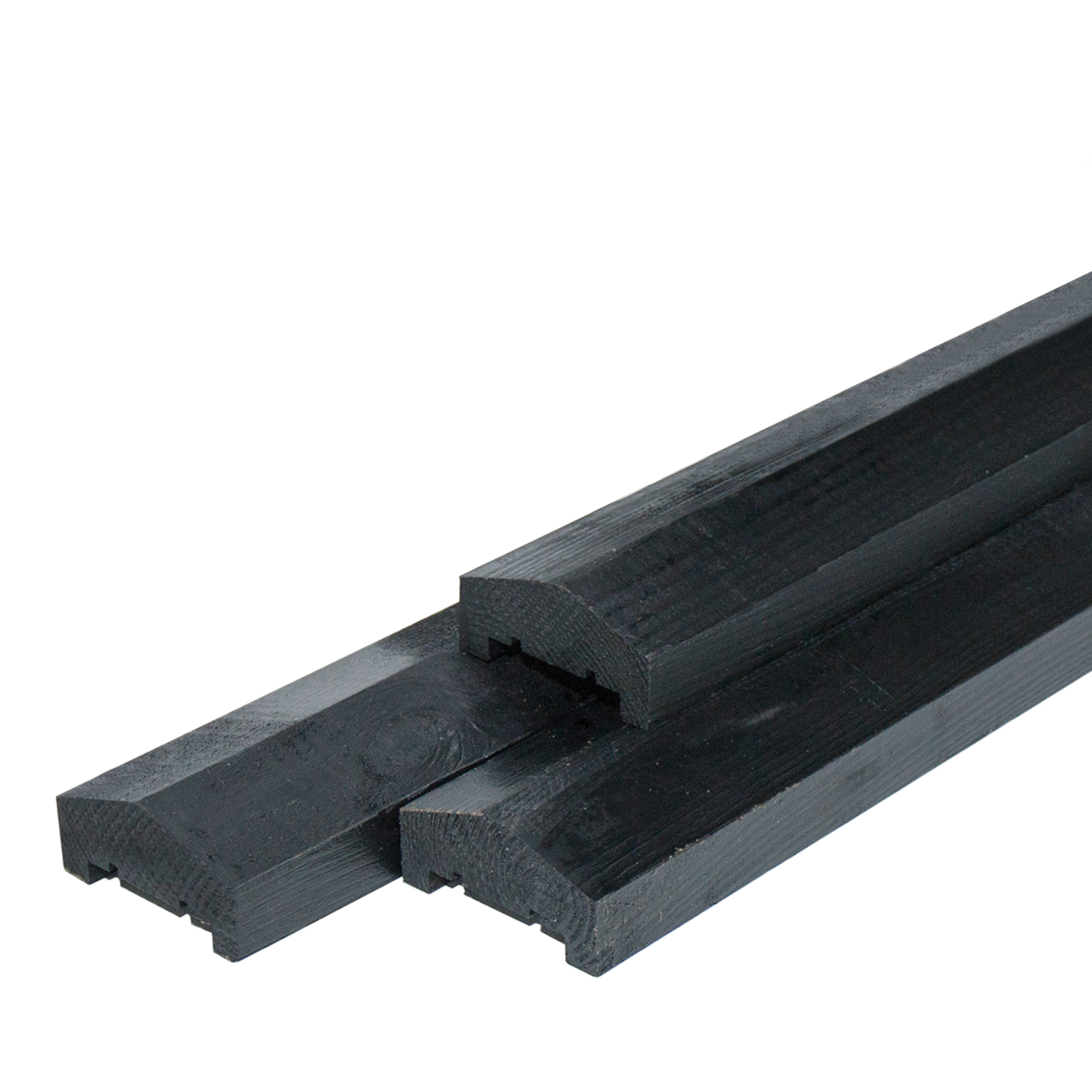
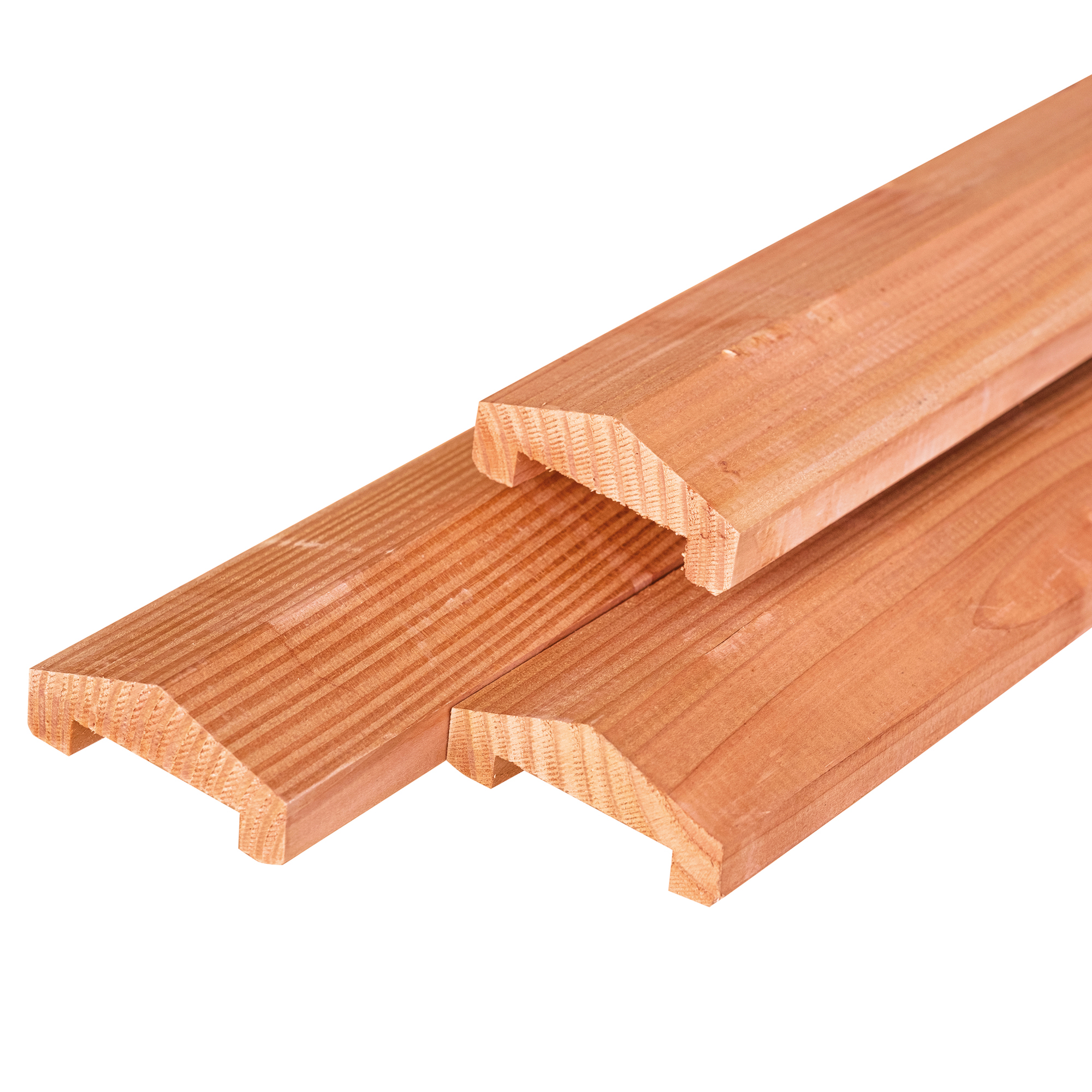
Fence panel capping is the planed strip that runs along the top of a fence panel, shedding rain off the end grain and giving the run a clean, finished line. We stock three: treated spruce and black-sprayed spruce, both 85×35 mm with a pyramid head, and a hardwood cap at 88×35 mm. Each has a rebate on the underside so it drops straight over the panel top, and one length caps one 1800 mm panel. Stocked in our warehouse and delivered across Ireland.
Sort by
Showing 1-3 of 3 results
Why Cap a Fence Panel?
The top of a fence takes more weather than any other part of it. It is the one horizontal surface, so rain sits on it instead of running off, and on an uncapped panel that water soaks straight into the end grain of the boards. A capping strip covers that end grain, pitches the water away and gives the whole run a straight, finished top edge. It is often what makes a boundary look built rather than simply put up.
Which Fence Capping Do You Need?
Match the capping to the panels it sits on. All three are planed, and each has a rebate machined along the underside so it drops over the panel top and locates itself:
- Treated spruce, 85×35 mm: dried, pressure impregnated and PEFC certified, with a pyramid head that throws water off both sides. The natural partner for treated softwood panels.
- Black-sprayed spruce, 85×35 mm: the same pyramid profile, pressure treated and sprayed a deep, even factory black, so a black fence stays black right to the top.
- Hardwood, 88×35 mm: dense, naturally durable and kiln dried, supplied untreated and cut to suit our hardwood panels, so one length caps one panel with no joint on show.
You can see the panels each cap is made for in our timber fence panels range, and if the run needs a way through, our garden gates finish the job.
Fitting Fence Capping
The rebate does the lining up for you. Seat it over the panel top, check it sits flat along the run and fix down through the cap. Pre-drill every fixing so the section does not split near the ends, and use stainless steel screws, because ordinary steel stains hardwood and a rust mark shows most on black. Where two lengths meet, cut the joint over a post so it is supported. Seal every fresh cut before you fix it, with end grain preserver on treated spruce and black stain on the black cap.
Finishing and Caring for Your Capping
Treated spruce doesn’t need a finish to last, but left bare it weathers from green to silver grey, so most people give it a coloured exterior stain once it has dried out for a few weeks. Hardwood capping is naturally durable too, but it greys without oil, so most people oil it to hold the warm brown colour. On the black cap, a fresh coat of black exterior stain every few years keeps it crisp. Choose your finish from our exterior oils and stains, and find the rest of the fittings in fencing accessories.