
Poplar
Include in your email:
- Thickness and sizes, or a cutting list
- Roughly how much you need
- Your Eircode for delivery
Or email us at sales@timberireland.ie
Your security and privacy are at the heart of everything we do. Every purchase you make is protected by industry‑leading safeguards designed to keep your personal and payment information safe.
Secure Payments
Pay with complete confidence using our trusted, fully protected payment methods. Your card details remain secure, uncompromised, and handled with strict care.
All sensitive data is encrypted from end to end, and we never sell or share your card information, ever.
Payment Methods
We accept credit and debit cards from most major credit issuers. Your card can be saved for future purchases and you can remove or edit the card information at any time. For questions regarding your transactions on our site, please consult your card-issuing bank.
We deliver across all four zones defined below.
Quantity savings
Enjoy automatic discounts as soon as your basket qualifies—no codes, no hassle.
Buy 25–49 units
Get 3% off your entire qualifying product order.
Buy 50+ units
Get 5% off your entire qualifying product order.
How it works
Your discount is applied automatically at checkout based on the total quantity of eligible items in your basket. The more you buy, the more you save—simple, transparent, and designed to reward our customers.
Takes paint better than any other hardwood we stock
Holds a screw far better than pine at around 500 kg per cubic metre
Wide clear boards with few knots, so yield is high and waste is low
FSC and PEFC certified supply available on request
Green, grey and purple streaking makes it a poor choice for clear finishes
Soft for a hardwood, so it dents more easily than beech or maple
Product specification
- Material
- Timber
- Species
- Yellow Poplar
- Wood Type
- Hardwood
Poplar
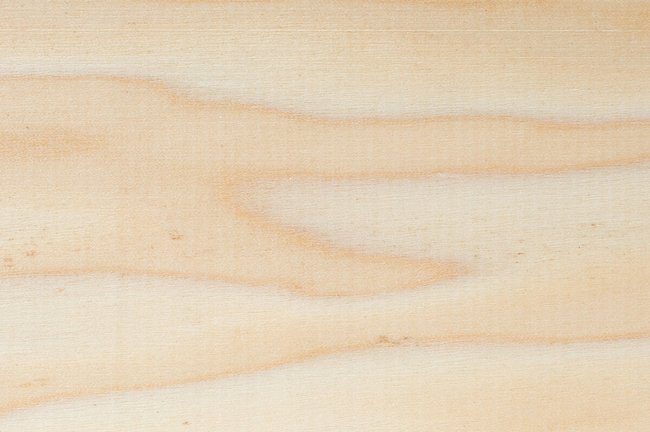
Poplar is the sensible answer when the timber is going to be painted. Yellow poplar (Liriodendron tulipifera), often sold as tulipwood, is light, stable, straight grained and inexpensive, and it takes paint better than any other hardwood we stock, which is why it is the standard carcass and moulding timber for painted kitchens, wardrobes, skirting, architrave and interior doors. You get the strength and screw holding of a hardwood at a price much closer to softwood. Imported from the United States and stocked in our warehouse for delivery across Ireland, kiln dried, with FSC and PEFC certified supply available on request. Sold by the cubic foot and priced on enquiry.
Why Poplar?
It machines cleanly, glues reliably, holds a screw far better than pine, and comes in wide clear boards with very few knots, so your yield is high and your waste is low. At around 500 kg per cubic metre it is light enough to handle easily on site, which matters on a big second fix.
Its fine, even, closed grain is the real selling point. There is no open pore structure to fill and no grain to telegraph through, so two coats of paint on properly prepared poplar give you a surface that reads as solid colour rather than as painted wood. Anyone who has tried to get the same result on oak or ash knows what that is worth.
Two honest points. The colour is pale cream with green, grey and occasionally purple streaking through the heartwood, which is entirely natural and completely irrelevant under paint, but it does mean poplar is a poor choice for clear finished work. And it is soft for a hardwood, so it dents more easily than beech or maple. Use it for carcassing and mouldings, not for a worktop.
Installation guidance
Two weeks acclimatising in the building is enough, stickered flat and off the floor. Poplar is stable and forgiving compared with beech or ash.
Because it is soft, it can fuzz rather than cut cleanly if tooling is dull, so sharpen up and take light final passes. Sand to a finer grit than you would on a harder timber, seal the end grain before painting, and prime all faces including the back before fixing so the component takes up moisture evenly.
Finishing & maintenance
Interior timber, and in practice one route: paint it. Prime with a proper wood primer, fill and sand, then two topcoats. Water based systems suit poplar well and stay whiter over time than oil based ones. Clear finishing is possible but rarely flattering given the green streaking, so if the grain is meant to be seen, choose ash or maple instead. We stock the primers and topcoats that suit poplar, so ask us which to pair with yours. Wipe clean with a barely damp cloth. For a timber to show under a clear finish, browse our full hardwood timber range.