
Length
Width
Thickness
Colour Tone
Profile
Material
Fire Rating
Range
Species
Wood Type
Warranty
Moisture Content
Timber Fence Panels
Timber fence panels in hardwood, Douglas Fir, black spruce, Ecowood, pine, willow and chestnut, mostly 1800×1800 mm so you can mix styles on one run. From sleek slatted screens to rustic willow, there is a wooden fence panel for every garden, with posts, brackets and gates to match. Stocked in our warehouse and delivered across Ireland.
Sort by






Showing 1-12 of 16 results
Wooden Fence Panels for Sale in Ireland
Nothing softens a garden boundary like real wood. Our wooden fence panels come in seven timbers, from affordable pine and willow to dense hardwood, in slatted, trellis and natural styles. Most are 1800×1800 mm, so you can mix panels on one run of posts. All of it is stocked in our warehouse and delivered across Ireland. Weighing up timber against composite? Compare all our garden fence panels side by side.
Our Wooden Fence Panels
Pick the timber first, then the style. Here is what each wood gives you.
Hardwood Fence Panels
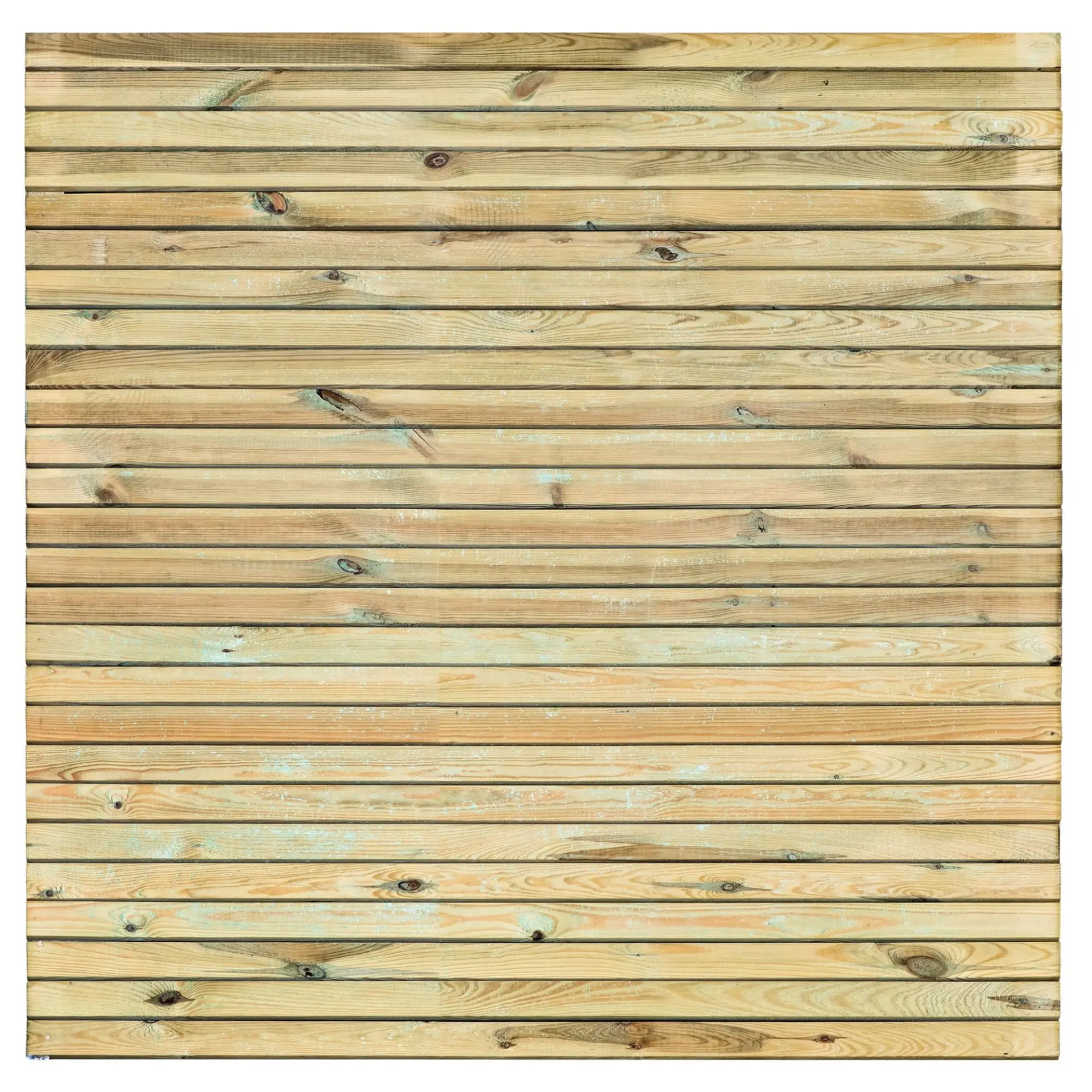
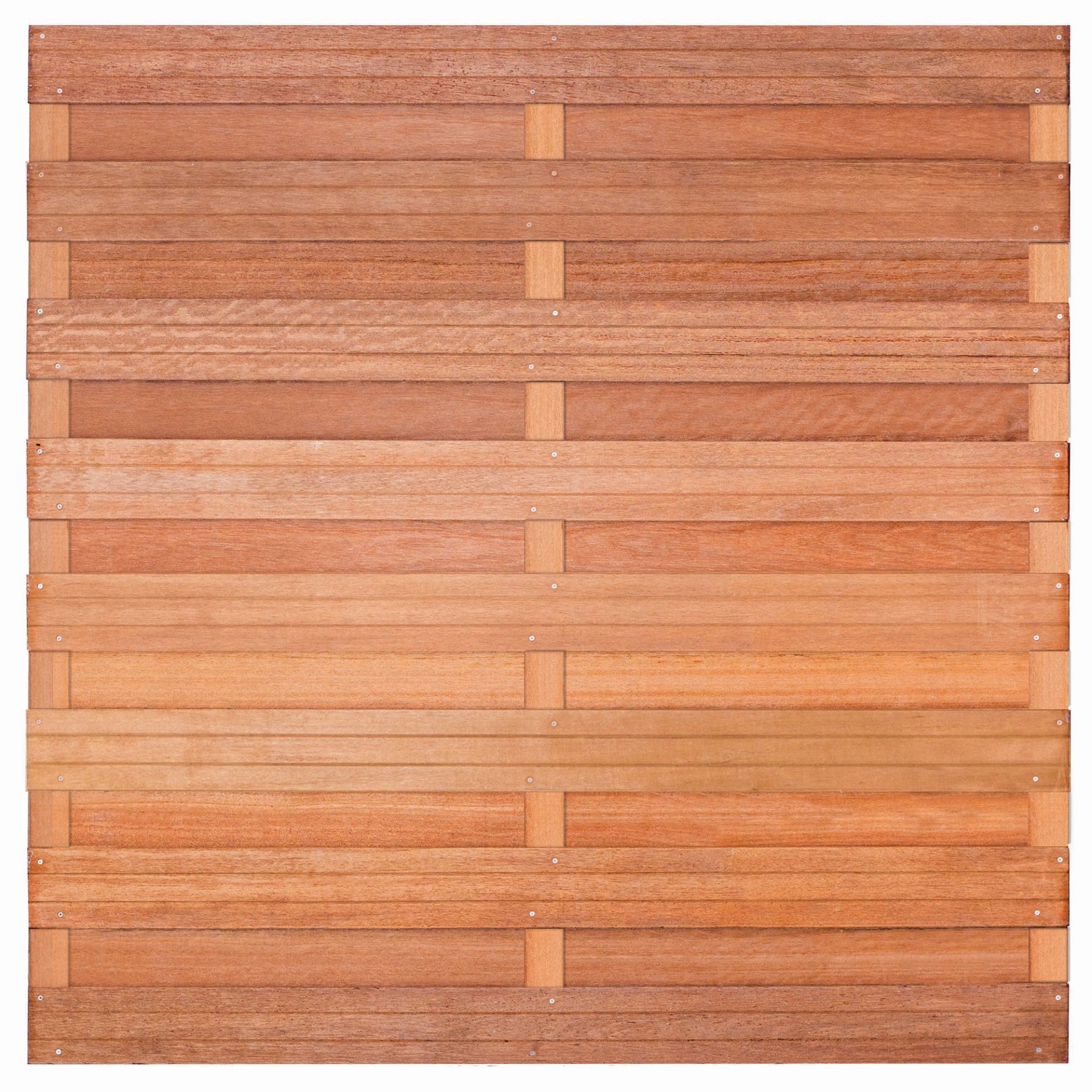
Our most durable timber fencing, in Keruing and Bankirai. Choose horizontal or vertical slats across the Heaney, Markievicz, Swift and Rossa panels. Best for a permanent, architectural boundary that you only want to put up once.
Douglas Fir Fence Panels
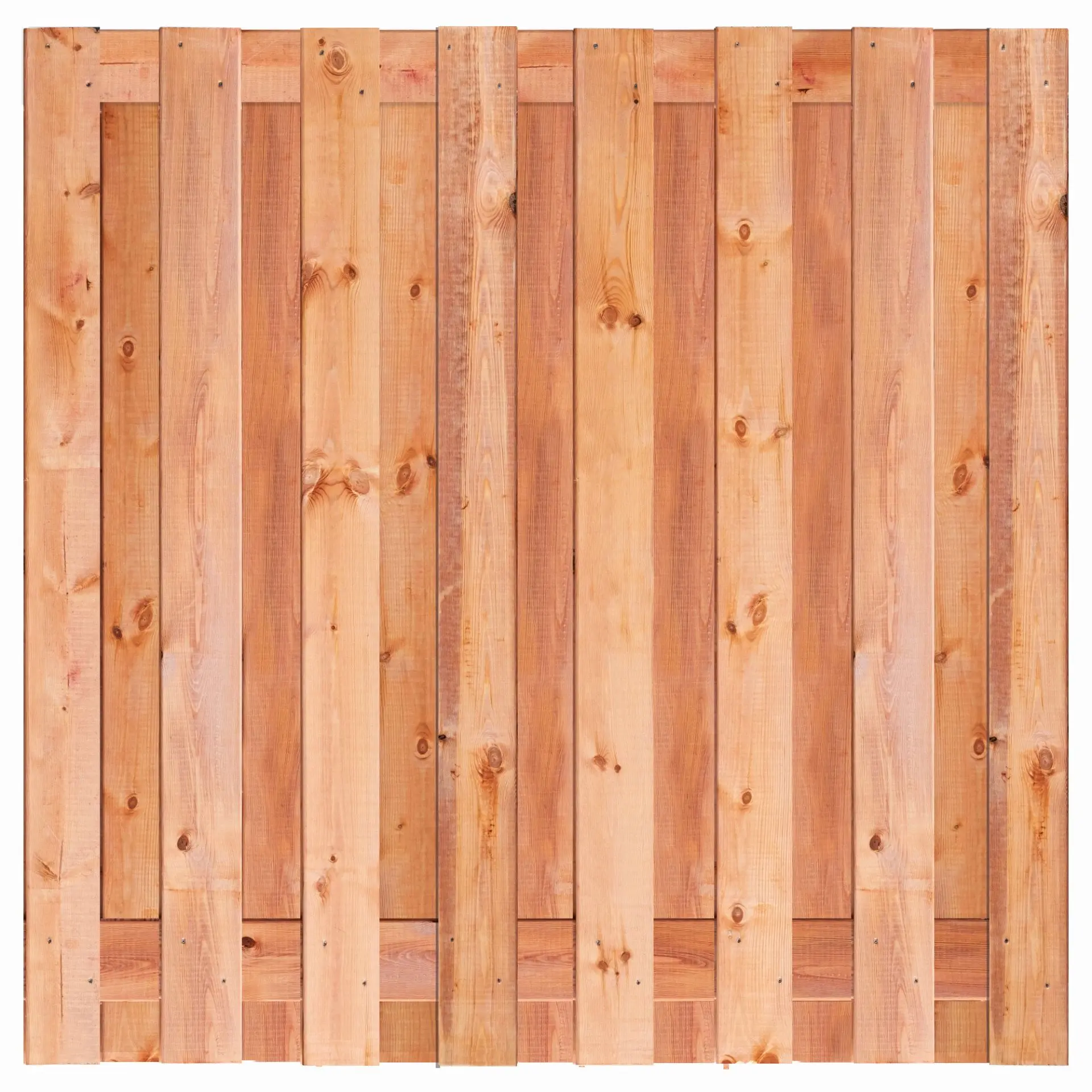
Strong, stable and full of character. The Shaw is a full height slatted panel, the Shaw Jr (900×1800 mm) suits lower boundaries, and the Davitt has an open trellis infill made for climbing plants.
Black Spruce Fence Panels
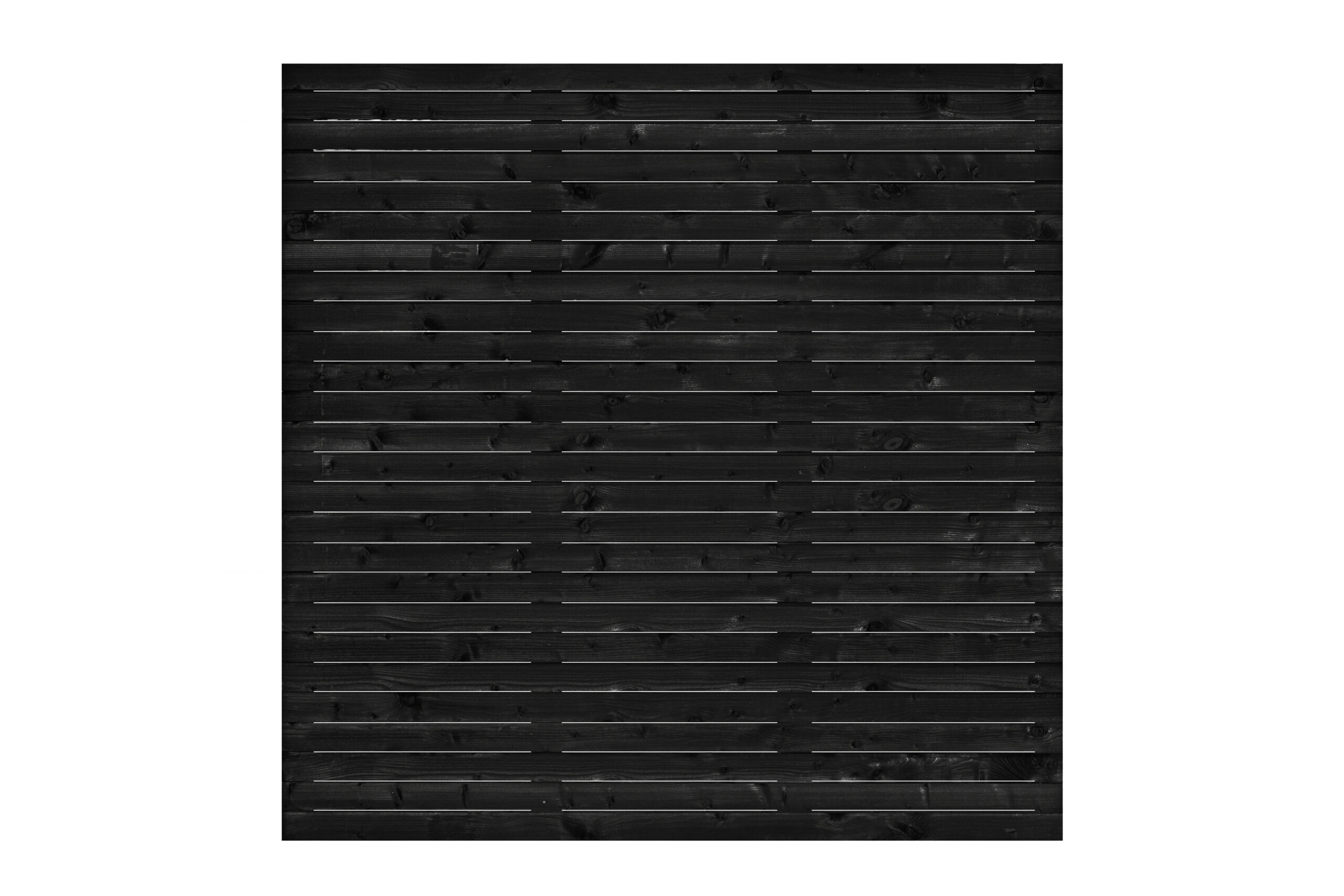
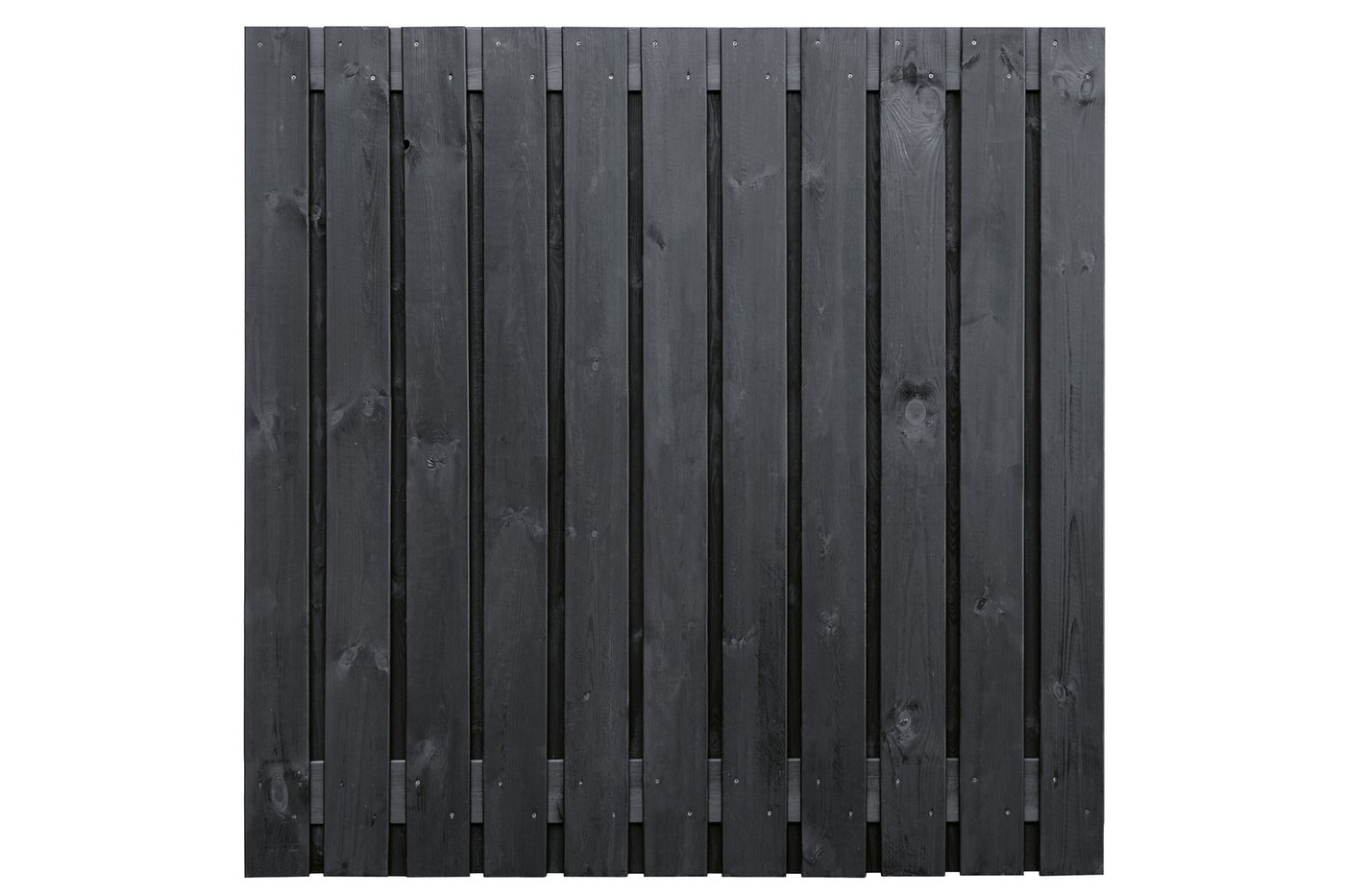
Instant contemporary style, with no painting on site. The Behan is a black-stained slatted panel and the Maud is black sprayed. The Maud is single sided, so check each product page if both faces will be on show.
Ecowood Fence Panels
The Joyce panel, in Ecowood impregnated for exterior use, a good value timber built for long life. Add the matching Joyce gate and the whole boundary is one timber.
Pine Fence Panels
The Beckett slatted panel is our most affordable full height wooden fence panel, with treated round pine posts to match. A great choice for a long run on a budget.
Willow Fencing
A soft, natural screen. Choose the framed Wilde willow panel, or a 2000×2000 mm willow fencing roll, the lowest cost way to screen a boundary or hide an old fence.
Chestnut Paling
Cleft chestnut wired into 1.2×5 m rolls, with matching chestnut posts. Made for rural boundaries, curved runs and sloping ground.
Best Wood for a Garden Fence
The best wood for your fence depends on how long you want it to last and how much care you’ll give it:
- Longest life: hardwood panels, then chestnut and Douglas Fir, which are naturally durable.
- Best value with protection built in: Ecowood, impregnated for exterior use.
- Budget and screening: pine, spruce and willow, which last longest with regular staining or oiling.
Slatted, Trellis or Natural Fence Panels?
The style of panel decides how private and how open your garden feels:
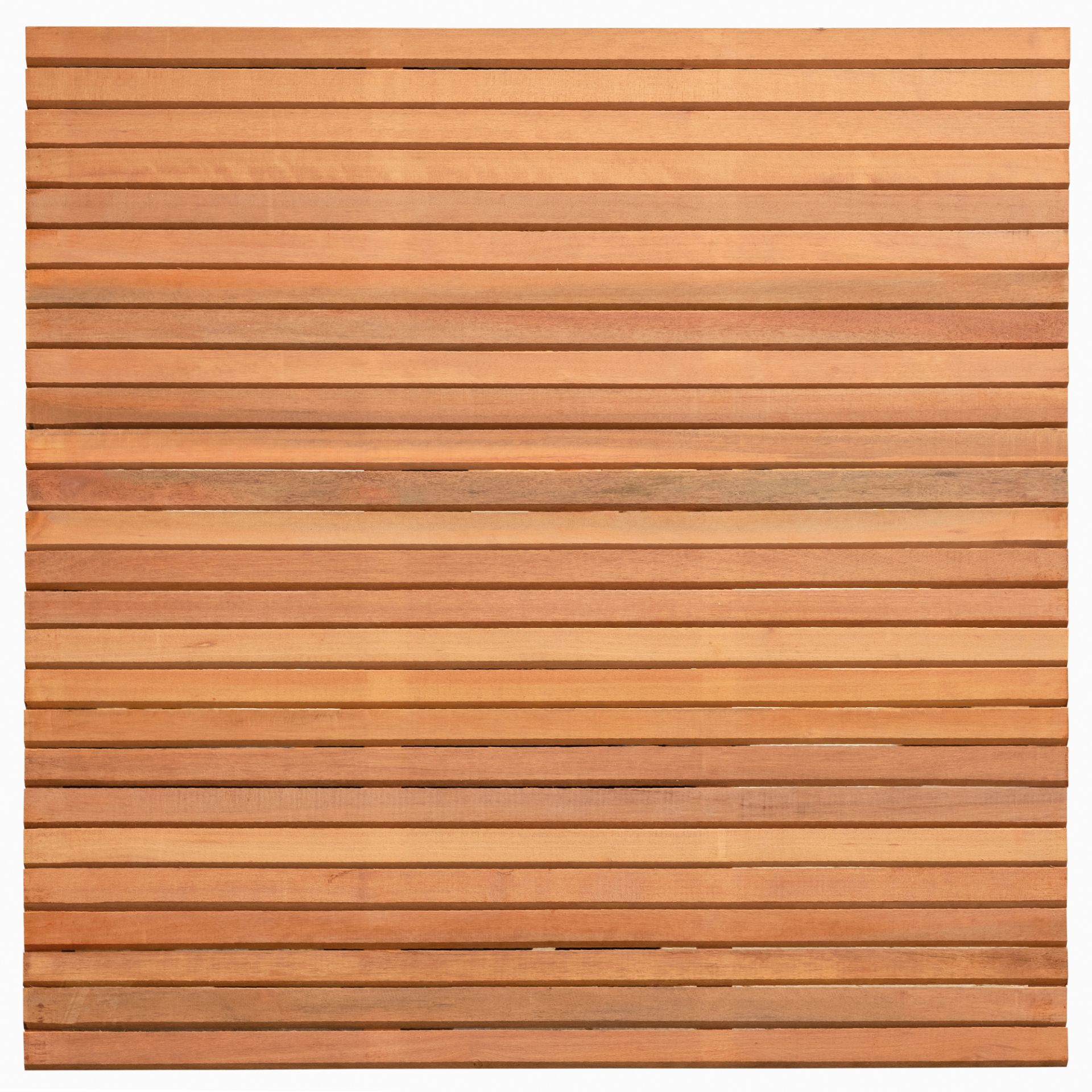
- Slatted fence panels: horizontal or vertical boards with a small gap, for privacy with light and air coming through. The modern choice for contemporary homes. See Heaney, Shaw, Beckett and Behan.
- Trellis panels: an open infill for climbing plants, so the fence turns into a green wall within a season or two. See the Davitt.
- Natural panels and rolls: the framed Wilde willow panel for a cottage garden, or willow and chestnut rolls that follow curves and slopes where rigid panels can’t.
A full 1800 mm panel gives privacy at eye level. A 900 mm panel suits front gardens and dividing lines.
How Much Do Timber Fence Panels Cost?
A timber fence costs more than its panels. Each bay needs a panel, a post and fixings, so compare the price of timber fencing per metre rather than per panel. What moves the price:
- The timber: willow and pine cost least, Douglas Fir and Ecowood sit in the middle, and hardwood and black spruce are premium.
- The height: a 900 mm panel costs less than a full 1800 mm panel.
- The posts: timber posts, or concrete posts with brackets.
Add panels to your cart and the total updates as you go, so you can price a pine run against hardwood in seconds.
How to Put Up Wooden Fence Panels
- Set the posts square and plumb, at panel width plus the post, using 70×70 mm timber posts or 100×100 mm concrete posts.
- Fix the panels to the posts with corner brackets and stainless steel screws.
- Keep the bottom of each panel a few centimetres clear of the soil, so it dries out between showers.
- Pre-drill dense hardwoods, which can split.
Posts, capping and gates are in our fencing accessories, including garden gates.
Timber or Composite Fencing?
Timber gives you real grain and a lower starting cost, and needs treating now and then. Composite fence panels cost more up front but never need staining or oiling, and won’t warp or fade. Want a one-off design? Build your own slatted screen from timber fencing slats.
Treating Timber Fence Panels
Every wooden fence weathers to silver grey. Softwood panels last longest with a stain or oil, ideally before they go up and then every year or two. Hardwood and chestnut don’t need it to last, but most people oil them to keep the warm colour. Our fence oils and stains make it a quick job.
Frequently Asked Questions About Timber Fence Panels
What is the best wood for a garden fence?
For the longest life, choose hardwood, then chestnut and Douglas Fir, which are naturally durable. Ecowood is impregnated for exterior use and gives good value. Pine, spruce and willow suit budget and screening projects and last longest with regular staining or oiling.
What wood is best for a slatted fence?
Our slatted panels come in hardwood (Heaney, Markievicz, Swift and Rossa), Douglas Fir (Shaw), black spruce (Behan) and pine (Beckett). Hardwood lasts longest. For a custom slatted fence, cedar and larch fencing slats are naturally durable and weather well.
Can I mix different wooden fence panels on one run?
Yes. Most of our panels are 1800×1800 mm, so they share the same post spacing. Many people run a close slatted panel for privacy near the house and a trellis panel further down the garden for climbers.
How much does a timber fence cost per metre?
It depends on the timber, the panel height and the posts. Each bay needs a panel, a post and fixings, so add them together and divide by the bay width. Your cart totals the whole run before you order, so you can compare timbers quickly.
How long do wooden fence panels last?
It depends on the timber and the care. Hardwood, chestnut and Douglas Fir are naturally durable, and Ecowood is impregnated for exterior use. Every timber lasts longer when the panel sits clear of the soil and gets an oil or stain every year or two.
Are hardwood fence panels worth it?
If you want to put a fence up once and keep it, yes. Hardwood is our most durable fencing timber and has a rich, dense grain. It costs more than softwood, so it suits a permanent boundary. Pre-drill before fixing, and oil it to keep the colour.
How do I fix timber fence panels to posts?
Our 1800 mm panels sit between 70×70 mm timber posts or 100×100 mm concrete posts and are secured with corner brackets. Set the posts square and plumb, and keep the bottom of each panel a few centimetres clear of soil and standing water.
What screws should I use on a timber fence?
Use stainless steel fixings outdoors. On dense hardwoods, always pre-drill, as the timber can split, and ordinary fixings can react with the natural oils in the wood and leave dark stains running down the face.
Are timber fence panels finished on both sides?
Not always, so check each product page. The Maud panel, for example, is single sided with the frame visible at the back, so where both sides of a run are on view, hang panels back to back.
Which fence panel is best for climbing plants?
The Davitt Douglas Fir panel has a sturdy frame with an open, trellis style infill made for climbers. Plant them early and the frame carries the growth as it establishes.
Can I build my own slatted fence instead of buying panels?
Yes. Our timber fencing slats in cedar, larch, Ecowood and MicroShades let you design your own screen. Fix them horizontally or vertically to your own posts and choose the gap for as much privacy as you want.
Do timber fence panels need treating?
Softwood panels last longest with a stain or oil, applied before they go up and refreshed every year or two. Hardwood and chestnut don’t need it to last, but they weather to silver grey, so most people oil them to keep the colour.